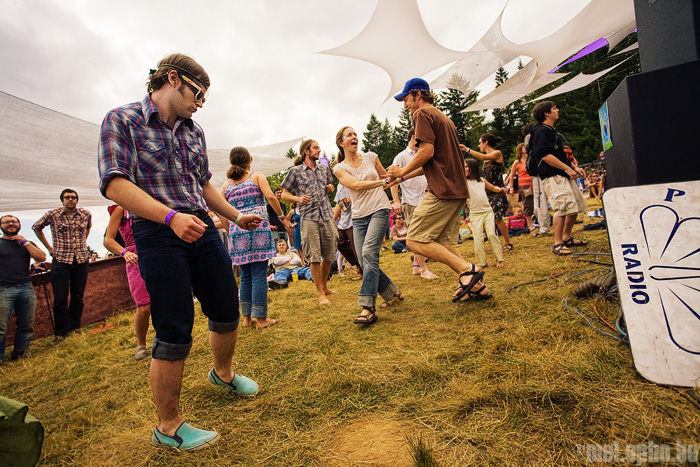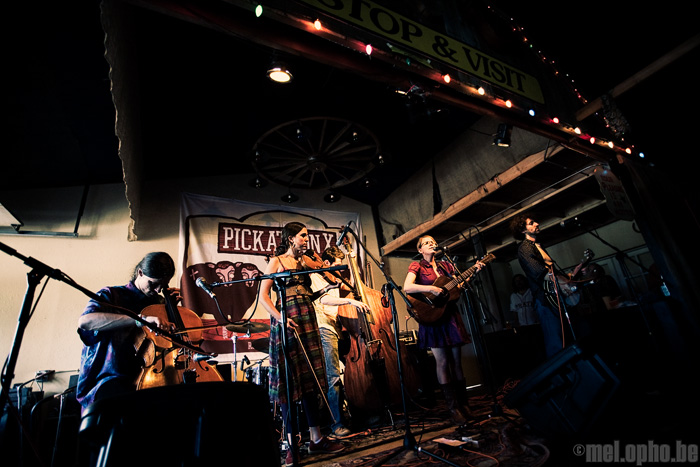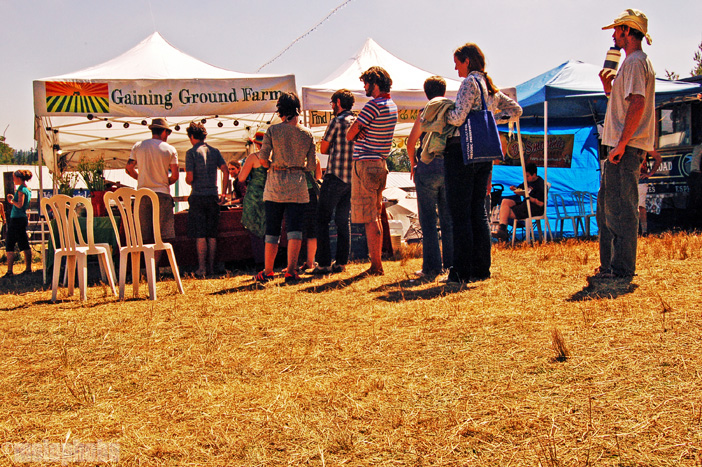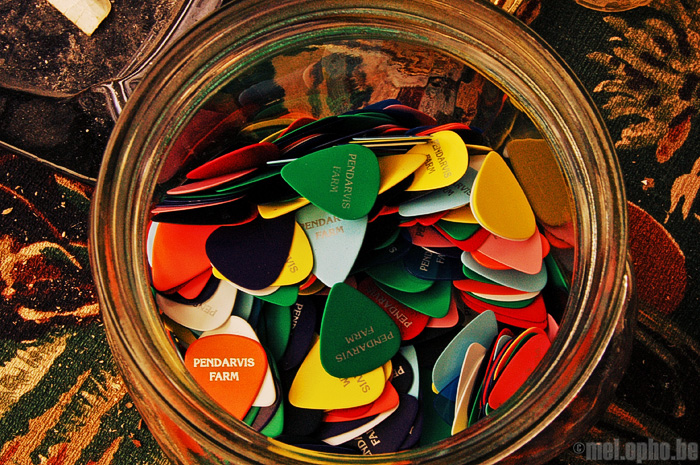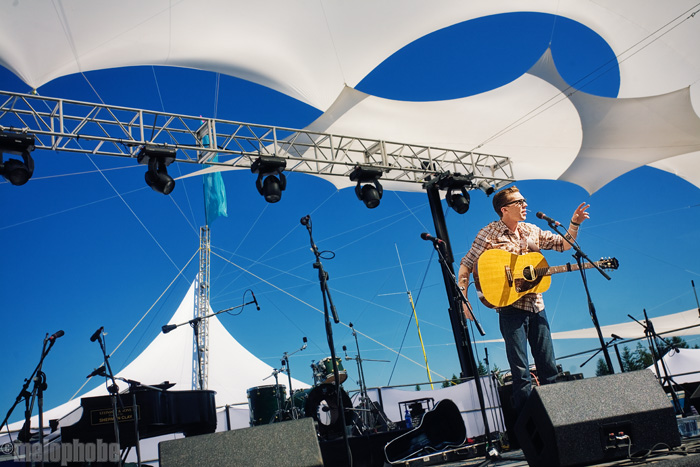
One of the highlights of melophobe's first year of concert coverage was the wonderfully rustic, free-spirited Pickathon music festival. As Raúl Moreno aptly put it, crawling around the Pendarvis Farm grounds, amongst organic food venders and stages buried in the woods, was "the most sublime experience anyone on the melophobe staff has ever had, excluding perhaps prom and summer camp."
This year marks the eleventh rendition of the Pickathon "Indie Roots" festival, and in anticipation of the event, we spoke with festival co-founder Zale Schoenborn to get the inside story on Pickathon's history and aspirations.
melophobe: Tell us a bit about Pickathon's history.
Zale Schoenborn: We started back in 1999 out at Hornings Hideout in North Plains. It was more like a get together of friends who all liked to listen to different types of music. There were only 92 people. It started out with a more narrow focus, mostly roots music. But we were still broad enough for bluegrass fans.
In 2000, we moved the festival out to Pudding River, a hay farm in Woodburn. This forced us to step it up a notch. We realized if this was going to work, we’d need to make the place as comfortable as possible. We built our own shade structures and focused on logistics. We found out that our strength was our ability to provide a comfortable outdoor space for people to enjoy music for three days straight.
We relocated to Pendarvis Farms in 2003. It’s great because since then Portland has grown up with Pickathon. Portland is a small town with a diverse music scene, something that Pickathon reflects.
melophobe: Why choose the Northwest as the host region for Pickathon as opposed to another part of the U.S. more closely associated with roots music such as the Southeast.
ZS: Because I love Portland. I moved here in 1997 and wouldn’t want the festival anywhere else. Portland sustains this great music scene. There’s over 100 venues. This sort of infrastructure allows all sorts of bands to perform and scrape by. Also, there’s a sensibility to the music scene that embraces music in flux. It’s a great lab for what we do - showcasing acts the audience may have never heard of. There’s enough open minded music nerds in Portland to make this possible.
melophobe: Who’re your favorite acts from years past?
ZS: The Avett Brothers in 2007 stand out in my mind not only because it was an amazing performance, but it also redefined our festival. The Avett Brothers’ sound is a major departure from what the roots scene is comfortable with - a sort of cross genre appeal. They also opened the door for us to invite bigger headliners.
melophobe: What acts are you excited for this year.
ZS: Can I say all of them? I know it sounds like a cop out, but it’s true. When we invite bands, we see ourselves as curators putting together a complete collection. I love the contrast between stages, the obscure bands playing alongside the better known bands, the different sounds you can hear in just a few hours.
I’m really excited to see Breath Owl Breathe and Deep Dark Woods. There’s a lot of buzz around Deep Dark Woods. Also, of course, Dr. Dog. They have this great, old style of performance. They put so much effort into their sets, so much care to make the show entertaining.
melophobe: Pendarvis Farms provides a unique outdoor setting for Pickathon. What's the setting's role in the festival? How do you view the relationship between nature and art, particularly between nature and roots music?
ZS: Pendarvis Farms is such a unique, human centric place with this inherent ability to relax people. Nothing stands alone out there. The nature works to reinforce the music and art instillations to create a whole experience from many parts. We’re essentially an art festival reinforced by nature.
melophobe: Festival goers are encouraged to bring their own instruments. Did the participatory aspect of the festival develop organically or otherwise? Have there been instance of scheduled acts mingling with artists in the audience?
ZS: There’s always instances of bands playing together. It’s funny. One artist might be a fan of another artist even though the two have never met. Pickathon provides this forum for comingling and impromptu collaborations between mutual admirers.
As for going into the crowd, this is much more common amongst the blue grass artists. Danny Barnes loves to do this. He’ll bring his banjo out into the crowd and start picking with the people. When this happens a little fervor goes through the crowd and you’ll hear multiple renditions of the story later.
Also, since many of the bands camp, it’s likely that you’ll run into them in the campgrounds.
melophobe: What's in Pickathon's future? What are your goals for the festival from here on out?
ZS: We’d really like to maintain this niche we’ve established. Pickathon’s a place for up and comers; a place to discover music. It’s not a place for mega-headliners like Sasquatch. Even though this works well for us, it’s a pretty hard niche to maintain. There’s a lot of expectation wrapped around us each year, the expectation that we’ll be showcasing the next big thing.
We anticipate that we’ll grow to about 5,000 attendees within the next few years. And I expect that we’ll reach this in the same way we’ve grown over the past ten years, through word of mouth vibe. We won’t ever bring in a Nine Inch Nails, and we really don’t want to. We're comfortable in our shoes.