True joy is not just in things that make us happy, or rather, things that mask loneliness, apprehension, or trauma; true joy is an elusive, internal satisfaction, and it can be viral. A little joy leaves a big impression, and this is something Agnes Obel knows well, and is, she argues, an oft overlooked aspect of her recent album, Philharmonics. “I feel very alive and happy when I play,” she explained during a pre-show interview.
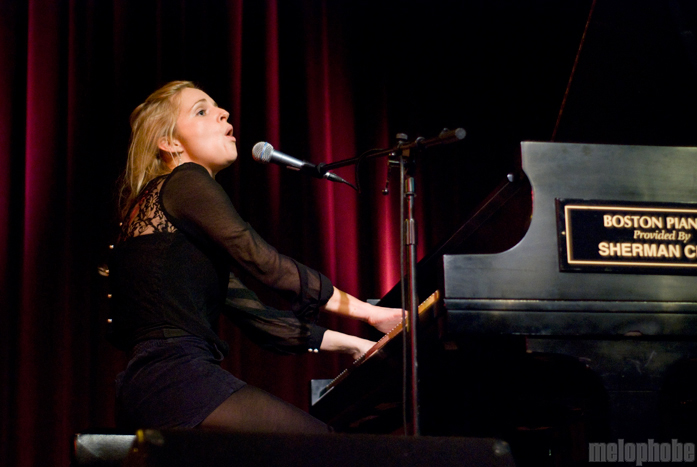
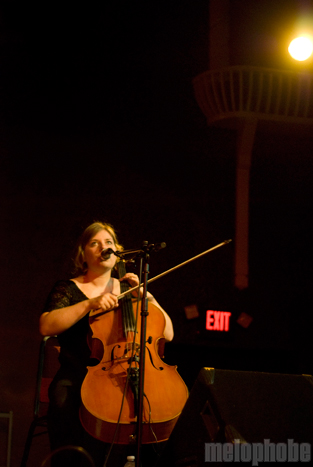
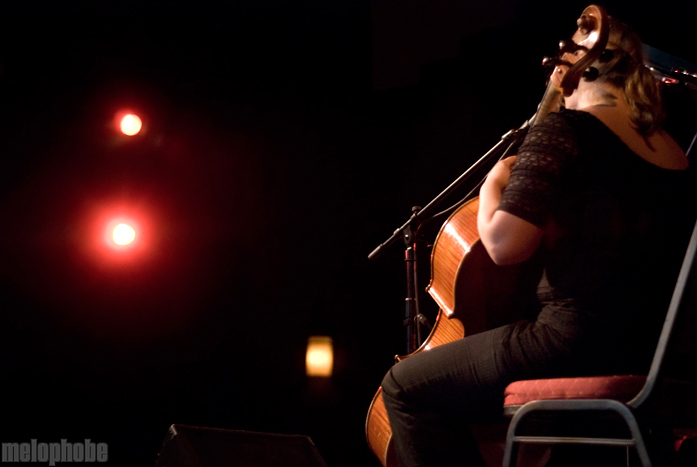
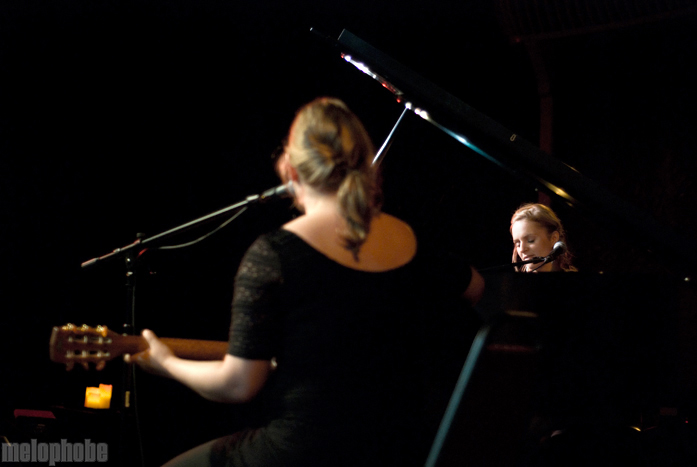
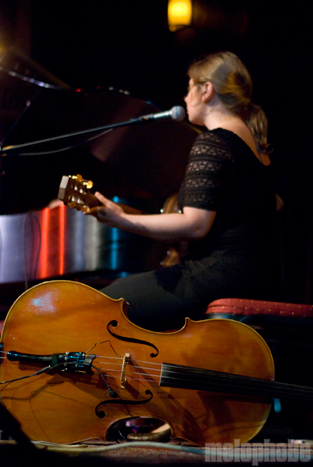
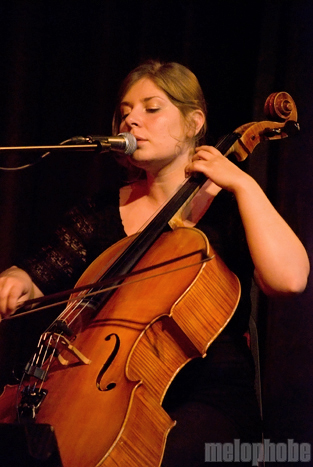
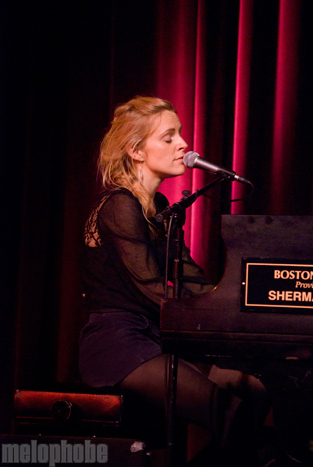
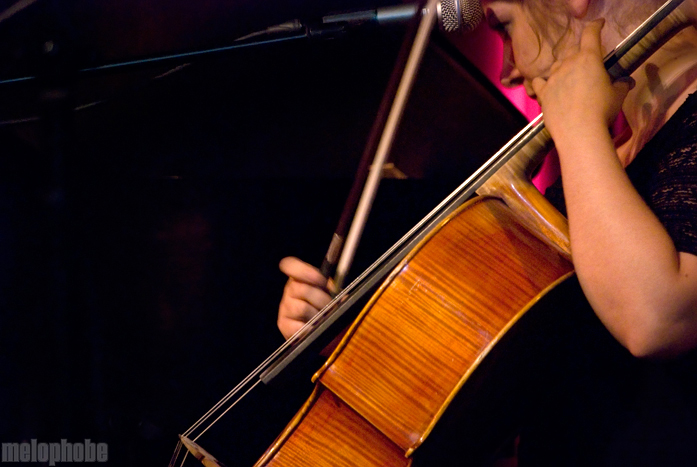
Friend and Berlin native, Anne Muller, plays cello and guitar, respectively, alongside Obel, offering backup vocals and a powerful extra layer beneath the rich melodies. The two appeared before the red velvet curtain on Thursday evening and sat at their instruments. With little more than a brief introduction and a polite nod toward the audience, they began to play the title track, “Philharmonics,” from Obel’s new album. Obel pushed her voice to decibels one would not expect after just listening to her recordings. During “Brother Sparrow”, she and Muller echo each other and ascend in volume as they approach the end of the song--a feature entirely unique to its live version. With just one album under her belt, I feared the show would simply offer louder accounts of its contents. Fortunately, I was wrong. At least three of the nine songs on the docket were entirely new, and if they weren’t, they were at least adjusted to satisfy a live audience.
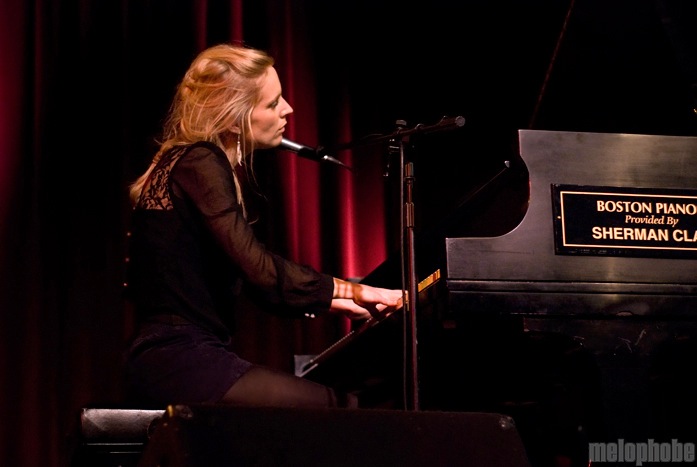
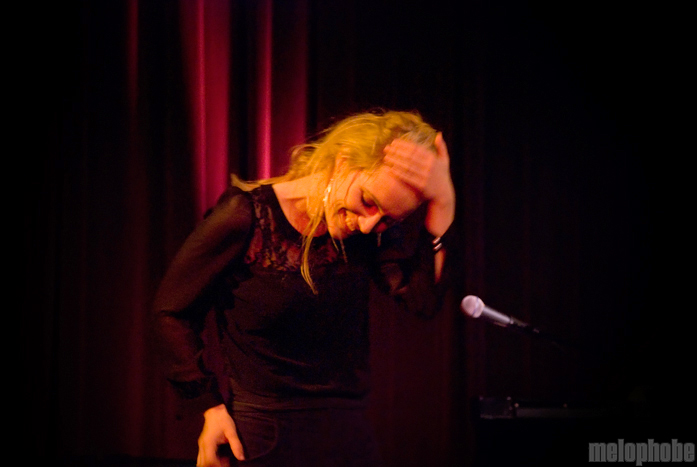
The first new song (which Obel cheekily introduced as “New Song”) dove deep into a smoky blues sound, immediately drawing a link to Chan Marshall’s breezy blues-piano numbers. From there, she warmed things up with her cover of John Cale’s “Close Watch,” then two other songs not heard on her album, and a version of “Riverside” that made the song feel even more alive and steeped in subtle joy than its recorded counterpart. Muller introduced it as her “favorite song,” about her hometown of Berlin. The two ladies closed with “On Powdered Ground,” showcasing this version as possibly being as much Muller’s creation as it was Obel’s. As the cello screeched and looped during the climactic “jam session,” Obel catapulted her voice across a string of highs and lows while hammering away on the grand piano. And then on a single beat, the cascade of sound came to an abrupt halt. A couple of residual, silent beats later, the audience realized they had finished and immediately rose in a standing ovation. Obel exchanged a final glance with Muller as they stood and bowed, smiling and blushing graciously as if they hadn’t just imposed a rare joy onto a room full of people.