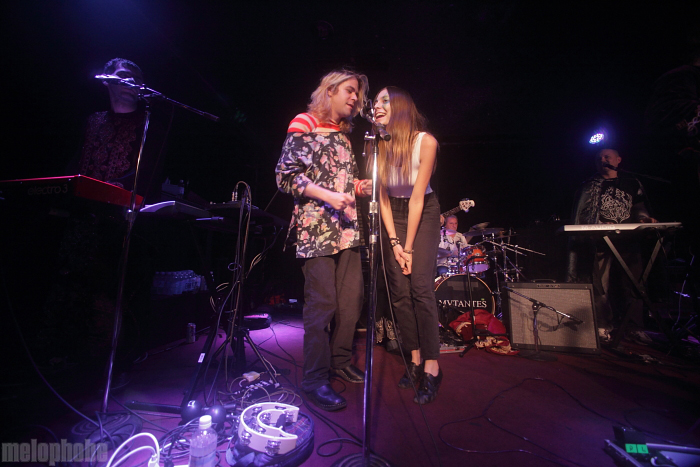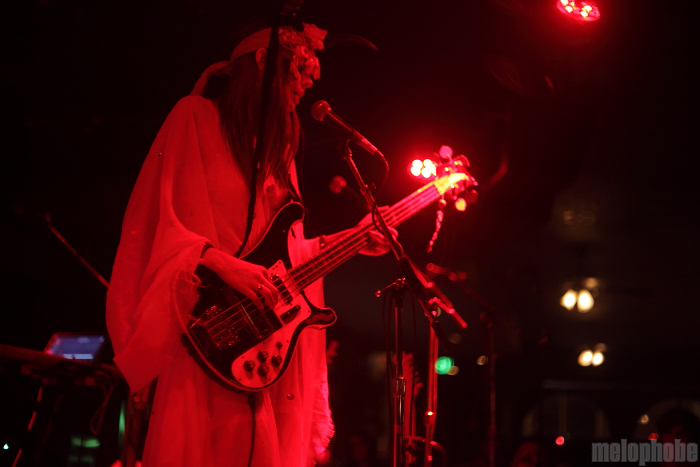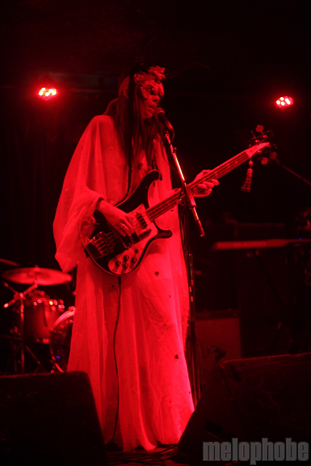
Los Angeles would not be my first guess if I were asked where psychedelic cassette-tape princesses come from. San Francisco? New York? Portland? Maybe. They have to have come from somewhere with a reputation of enchantment and otherworldliness, don’t they? A place where artists sway the vote and city police officers condone things like naked bike rides and gay pride parades. Well, I apologize, Los Angeles, for making assumptions. With nine million unique individuals comprising L.A. County alone, I shouldn’t be surprised that one of them is a mythical creature-lady named Diva. Perhaps she went astray after her role as an extra gelfling in "Dark Crystal" and grew up in the barren wilderness of the Mojave Desert. Coyotes and antelope adopted her into their respective packs, and as a way to express her confusion about being torn between three cultures (she is, also, at least 90% human), she learned to play music. The cassette player fascinated her from the moment she laid eyes on one that had been thrown from a vehicle barreling down Highway 58. Over time she established a collection of sound recordings that she sang along with, distorting her voice using an echo chamber made from the hollowed trunks of dead Joshua Trees. Upon tiring of the lonely desert landscape, she said goodbye to her animal friends and hitchhiked back to Los Angeles, musical instruments and cassette tapes in tow.
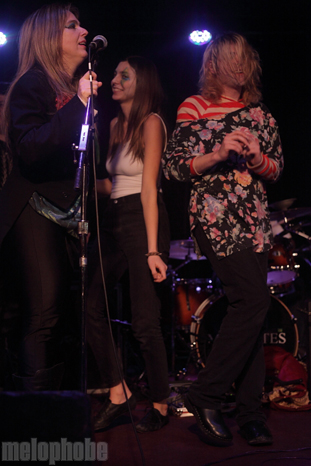
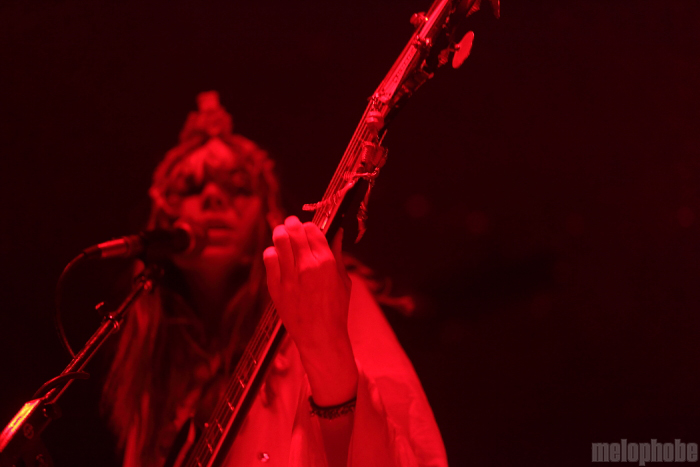
What brought Diva to Portland to open for Brazillian psychedelic rock legends Os Mutantes? Is it related to a friendship she had sparked in Los Angeles with a man named Ariel Marcus Rosenberg, otherwise known in music-land as Ariel Pink’s Haunted Graffiti? I say yes. The two must have clicked in their mutual fascination with The Cure, cassette tapes, peculiar fashion sense, and making their voices echo. Os Mutantes were gods in their opinion, and playing a show with them would be like a psychedelic-mushroom-trip-dream come true. Diva, aside from being impossible to find using Google, is a promising young bass player/vocalist who might end up seated next to Cibelle at the freak-folk music awards if she gets a few more years of live performance under her belt (or headdress).
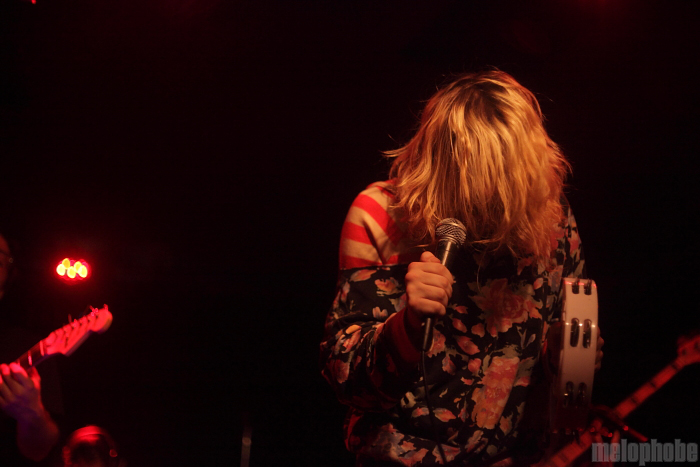
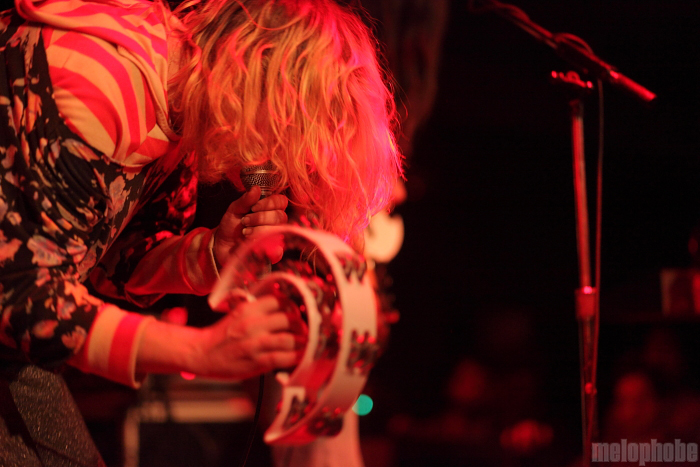
The thing about professional musicians is, after hundreds of shows they develop a kind of invisibility when faced with technical malfunctions. The mic gets unplugged, the speakers blow, drum-sticks break, pants fall down, boobs fall out, you name it. But the crowd couldn't care less, because they seamlessly perform as if God him/her/itself were the trusty stagehand and miraculously healed chronic on-stage ailments in one shake of a tambourine. But this miracle is reserved for those who have put in their time; all others will suffer the consequences of amateur electrical mishaps alone before the scrutinizing eyes and ears of a live audience. So our heroine, Diva, finished up her set with a hurried cover of “Will You Still Love Me Tomorrow” after being told by the sound guy that her time was up. She shuffled through her cassette player rebelliously (whose every click! and bzzzz! was audible through the speakers) to find the right track, but after a panicked, ear-piercing fast-forward – stop – play – fast-forward – stop – play -- through the tape, she gave up and played along with whatever it landed on. It was indeed tense, but the crowd was supportive and cheered loudly as she curtsied and floated backstage in a daze.
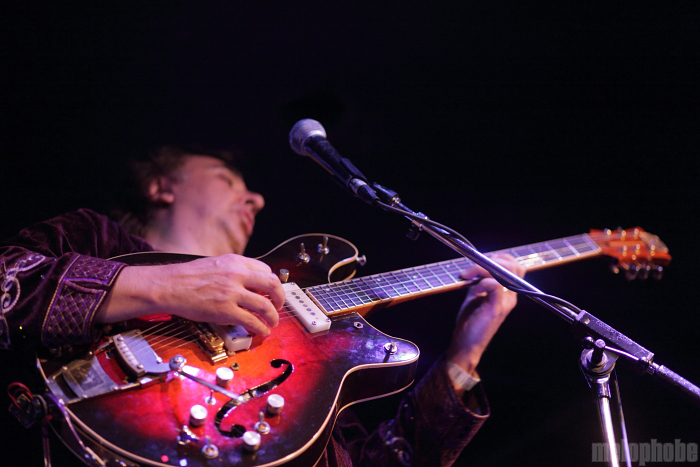
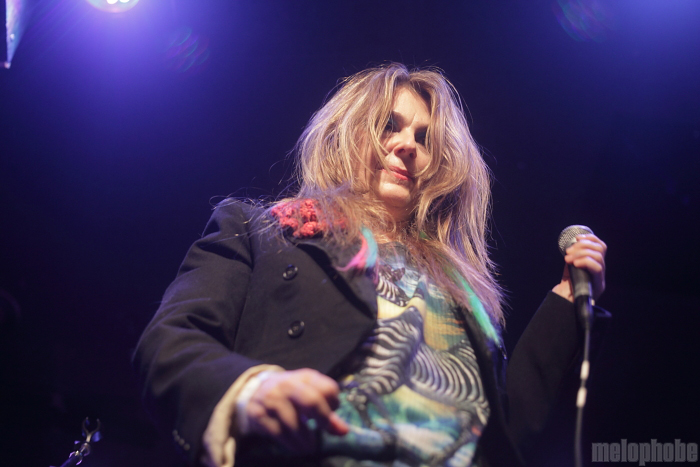
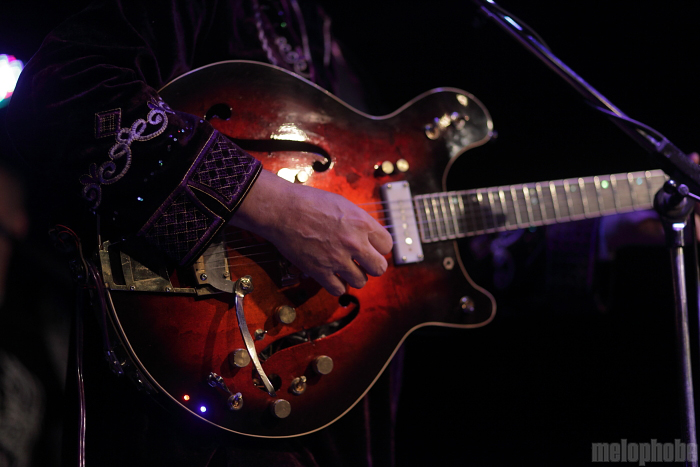
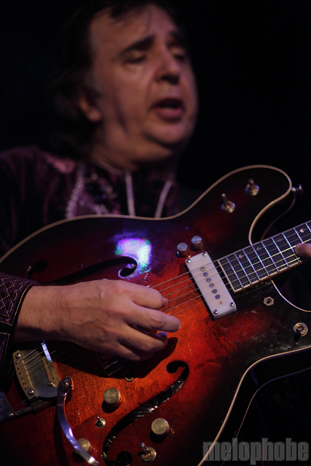
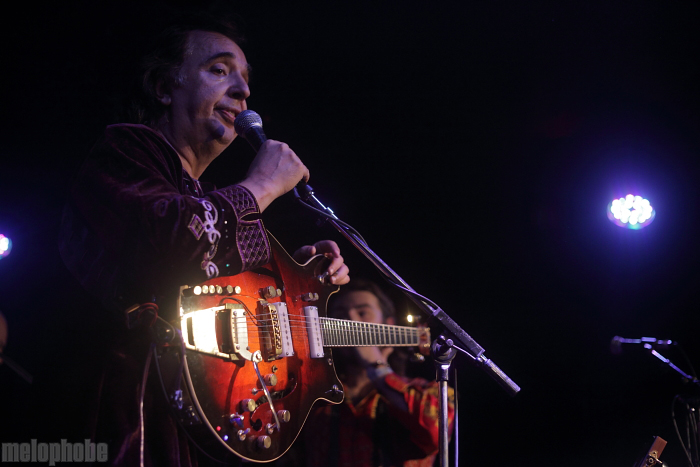
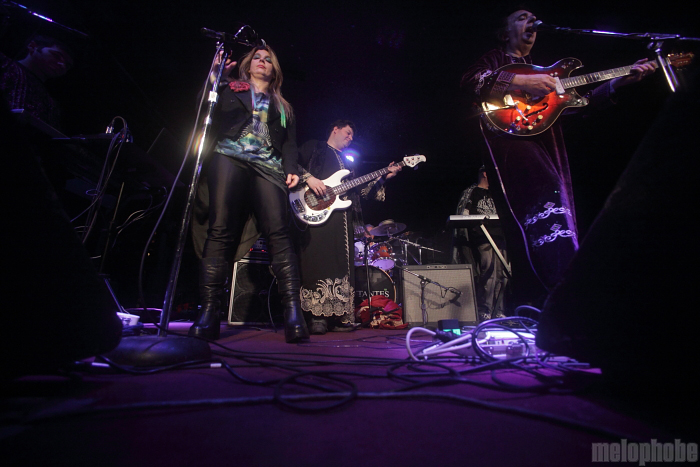
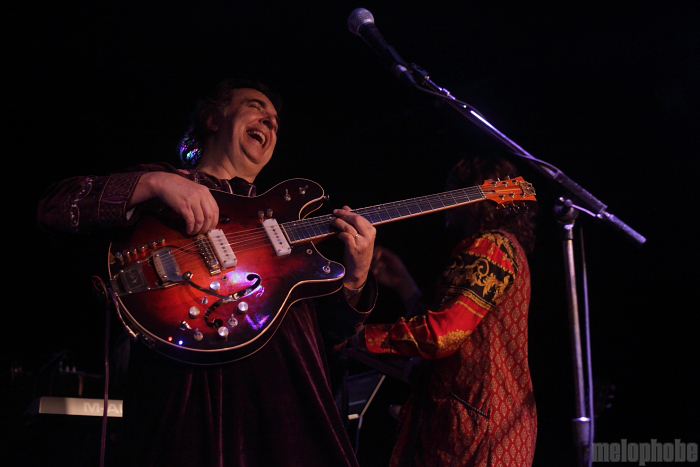
It was weird and wonderful to see The Buzzcocks up close and personal at Berbati’s this year and I’ll say the same for Os Mutantes. They have such a long history and reputation that it’s hard to grasp their largeness in such a (relatively) small venue. I figure they were onto this, because their show seemed to say, “Oh, yeah? We’ll make you grasp it!” Sérgio Dias, the “founder” and last original member of Os Mutantes, walked onstage alongside Bia Mendes to the mock-triumphant tune of “Dom Quixote.” Bia wore a conductor’s coat over black spandex pants and a zebra tee shirt that matched a pair of neon pink and green clip-in hair extensions. It was just as easy to focus on her outfit as it was on her theatrics. Bia accompanied every word with a broad gesture or facial expression that dramatized the lyrics – which were mostly in Portuguese, so this was especially helpful. Sérgio and the rest of the brigade wore ornate Roman Catholic clergy robes, which I’d like to think were nabbed from a Brazilian temple back in the '70s. They played a seventeen-song set that could have sent me skipping home happily whistling “A Minha Menina,” but (and I still can barely believe this) Os Mutantes was not headlining. Included in their set of seventeen non-headlining songs was “Quierda Quierda” from their 2009 release Haih or Amortecedor. 2009! I should mention that Os Mutantes has existed for forty-three years! Watching them on stage felt like a time warp (I love when this happens, by the way). Their newer songs are generally less experimental and more sophisticated lyrically compared to (the only other one I own) 1969’s Mutantes, at least in terms of content and no-jokey social messages. Sérgio introduced “Bagdad Blues” as a song about Rio de Janeiro being a “little Bagdad” in light of the recent slum invasions by police. But sorrowful blues soon turned to a string of all-out party jams complete with Ariel Pink and Diva singing backup (awkwardly) and fake-out endings that circled around the same song again and again. At one point, the sound was completely warped to indicate winding-down as the troupe slumped over at the waist like collapsed marionettes. Ah, but this was yet another fake-out ending. The real end came after repeated chants of, “The music lighted with the heat of the sun!” (“Panis et Circensesand”) and a final bow with all six members lined up across the stage. I felt like I had just seen something special, something that might never happen again.
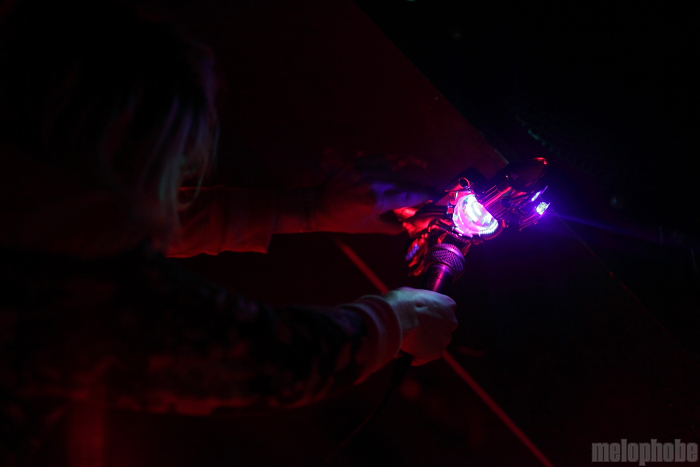
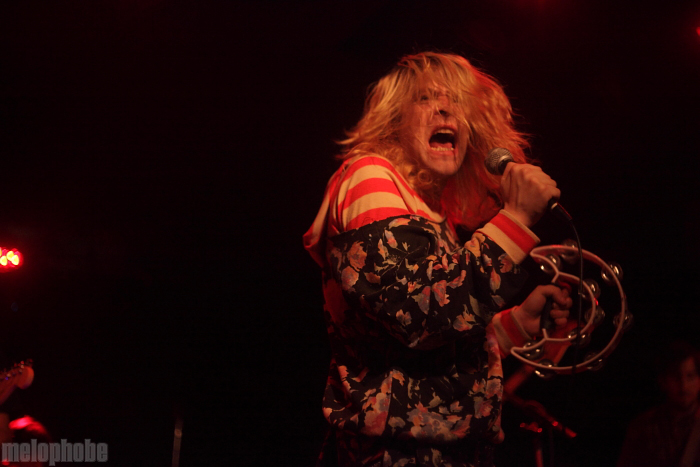
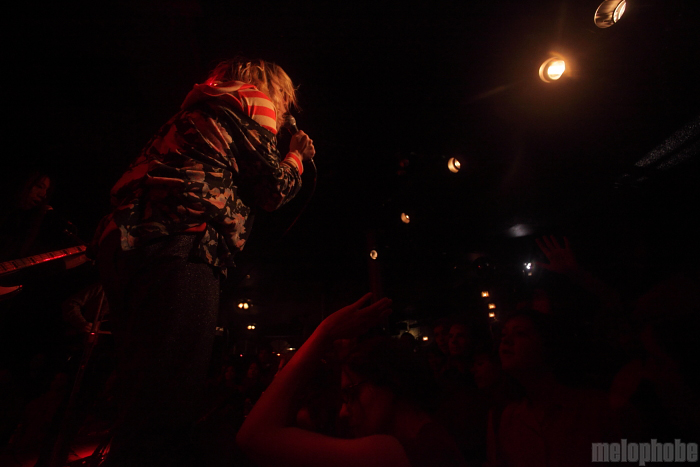
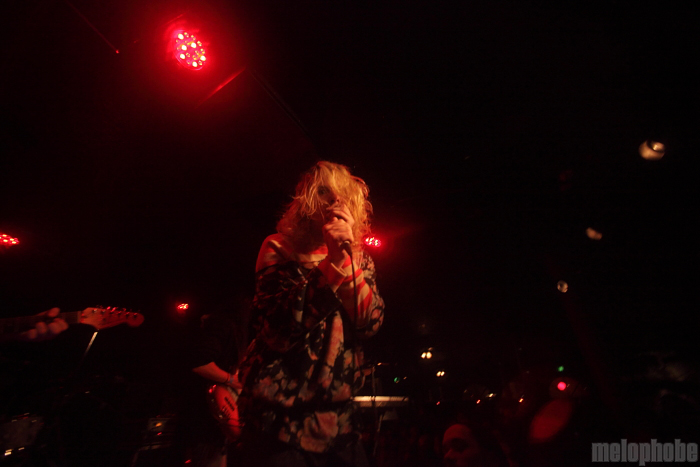
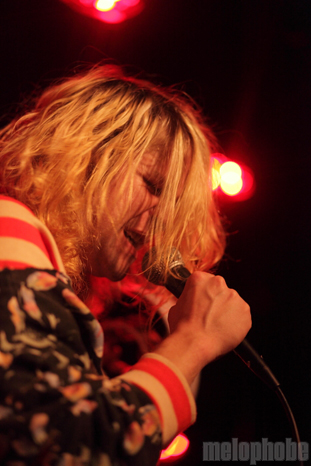
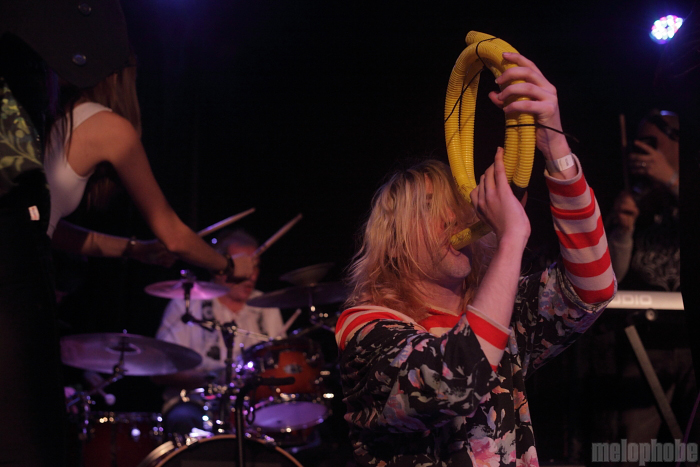
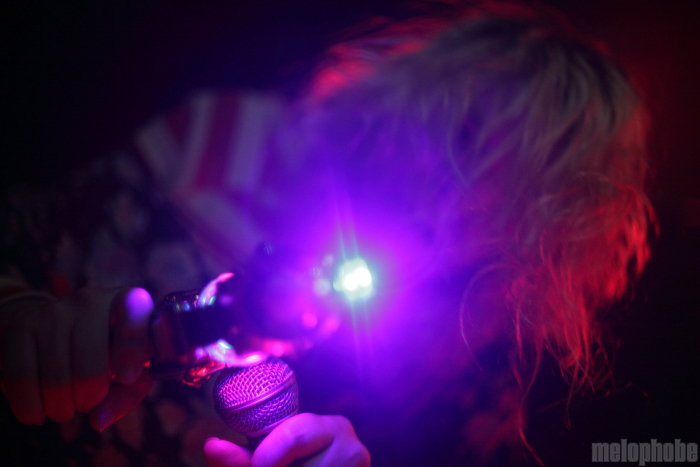
Frankly, Ariel Pink’s Haunted Graffiti obliterated my happy Mutantes stupor. Correction: Ariel Pink himself obliterated my happy Mutantes stupor. The band would have been fine had they not been fronted by the screeching Kurt Cobain lookalike. Ariel strutted around with no more than a blinking toy gun, screaming unintelligible nonsense into a microphone turned up too loud while flailing about like a toddler drowning in a swimming pool. He is a spectacle and may have fared better had he channeled his artistic vision into grotesque absurdist plays like those of Antonin Artaud or Caryl Churchill rather than creepy, complex musical acts that use their powers-of-weird to score gigs with Os Mutantes. Three songs in, he apologized for “ranting and raving and freaking out,” but continued despite his alleged regret by imparting a story about how “I totally understand if you can’t be a reptilian in public. ‘Cause, like, that’s how it should be all the time. No offense to reptilians or aliens out there.” I was the alien, I suppose. This was not my scene, as hard as I tried to pretend it was. All the southwestern-design wool coats that everyone seemed to be wearing made me dizzier than the whirling synths and relentless Axl Rose squeals coming from the speakers. Nothing drove or ascended or dipped down into a pretty guitar solo (Wait! I heard one that sounded Led Zeppelin-y! Oh, sad. It was pulverized by a wave four other instruments all playing at different speeds at the same time), or even allowed Ariel to sing (read: yell) at a reasonable volume. Some simplistic punk elements peeked through at times, which made me feel momentarily sane, but again, they were short lived. Maybe I just need to do what one Ariel Pink fan suggested as I stood there, perplexed: “Get stoned.”