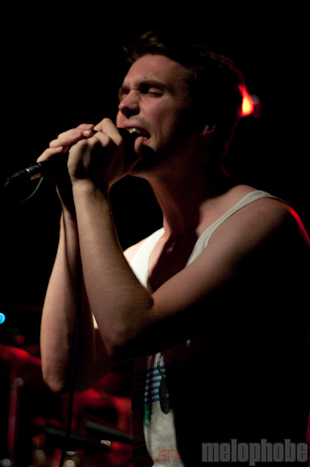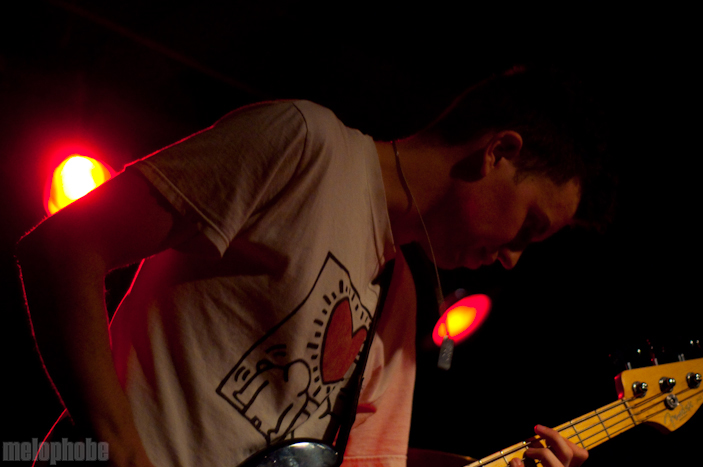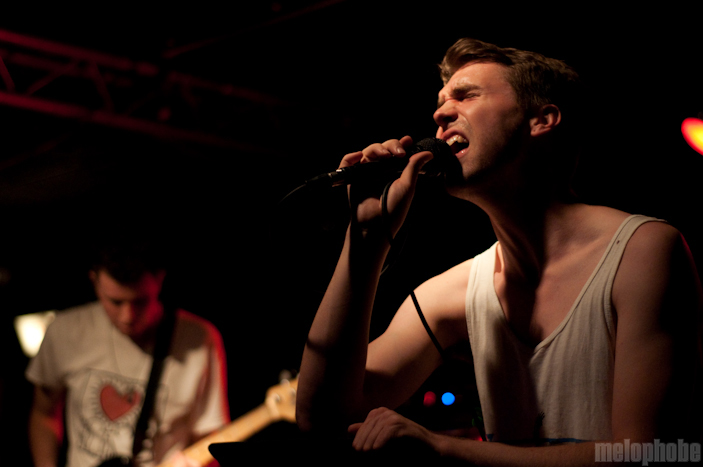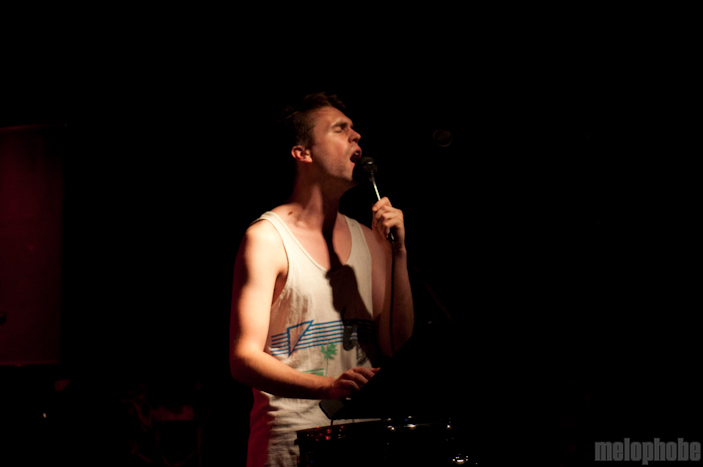
If a tree falls in the forest and nobody is there to hear it, does it make a sound? What if the tree is Cale Parks and the forest is Great Scott? What then?
Wednesday night's concert took a step towards answering that age old question, as a late night show from Cale Parks, Lemonade, and Earthquake Party fell not on deaf ears, but on few ears at all. I have never been to a show at Great Scott as poorly attended as Wednesday night. I have never been to a show in Boston as poorly attended as Wednesday night. I don't know that I've ever been to any show anywhere as poorly attended as Wednesday night.
And it's a shame.
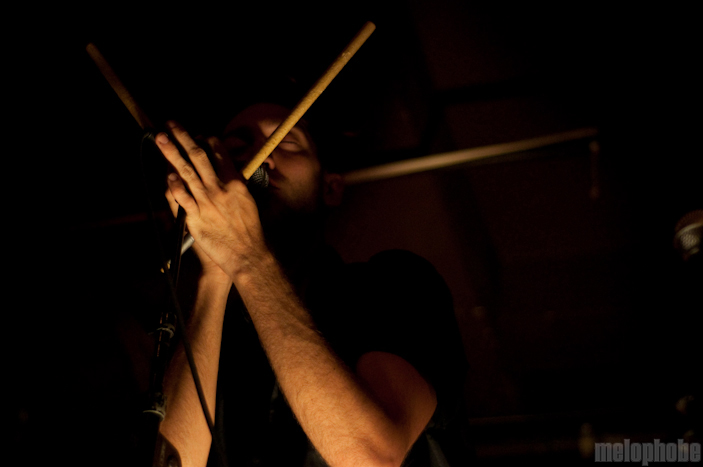
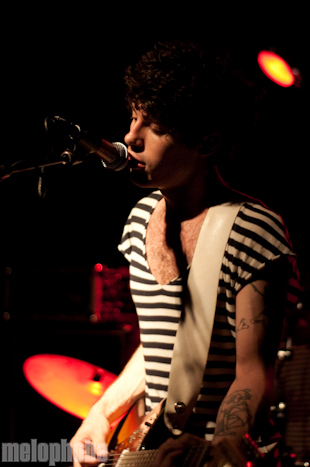
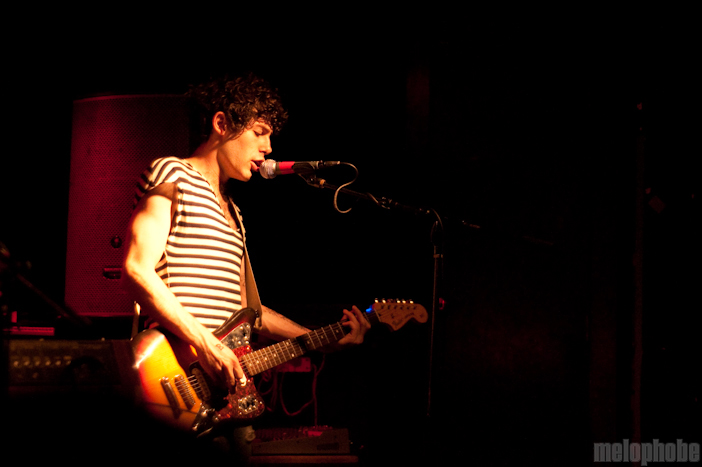
It's a shame because the night had all the makings of a fantastic musical undertaking. Openers Earthquake Party were upbeat and brief: a fun young band that - minus the two minutes of obnoxious guitar feedback at the end of the set - loosened feet and hips and shoulders after a long day at work. When Lemonade took the stage, the mood was set for them to drop dance bombs.
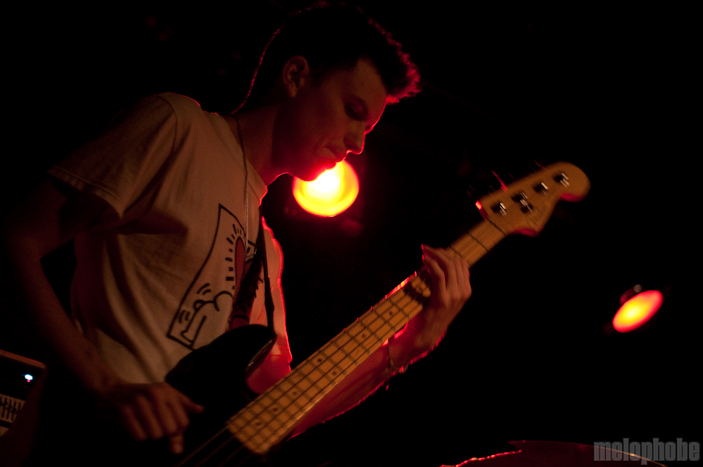
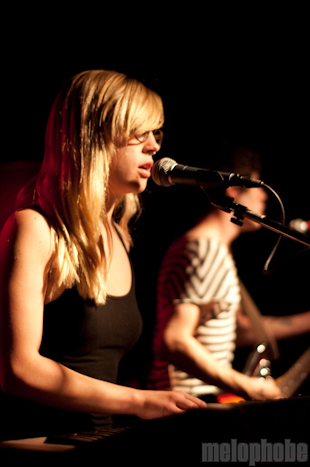
And drop dance bombs they did. There just weren't enough people to dance. During Lemonade's set there were never more than twelve people on the floor - the most bodies the dance floor would hold all night. The crowd wanted desperately to make it go off, each individual grooving enough for two or three as funky Jamaican steel drum rhythms and crunchy bass riffs rattled around the club. But it was never enough to pass that point of no return, never enough to tip those scales.
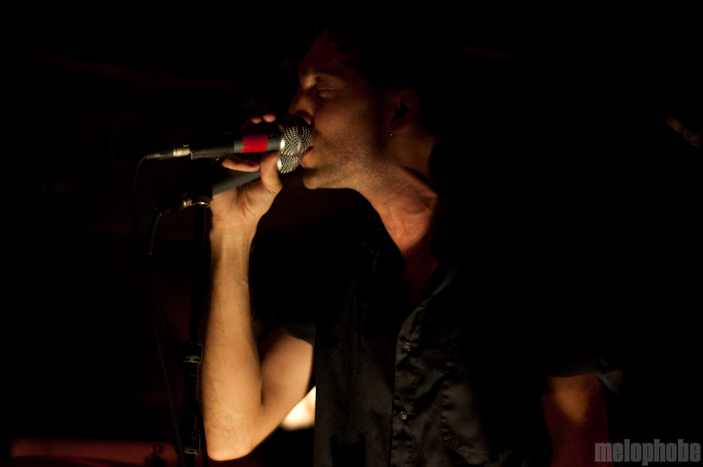
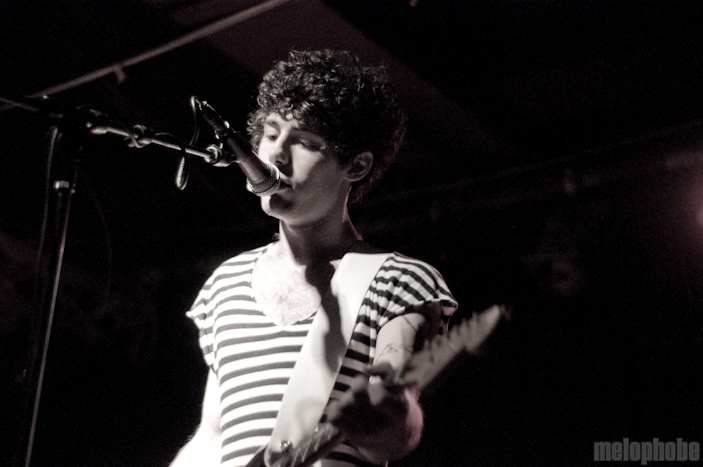
Lemonade kicked off with a slow, droning tune, with band members doing their best disinterested indie artist impressions. At the end of the monotonic dirge, lead singer Callan Clendenin cracked a smile and twisted some knobs before breaking forth with an upbeat and grimy set that would have typically set the floor on fire. Songs meshed into a funky mix reminiscent of Project Jenny Project Jan's “electro-karaoke” stylings, highlighted by hit single “Big Weekend”. Musically, it was blissful.
If ten more people had shown up ready to dance, it would have been a party. Instead, two people drifted to the bar. Two more concert-goers took seats as the set went on, and - despite the upbeat tunes - the vibe slowly died. Lemonade, a group which seems to feed off of the crowd's energy, gave it a great shot at the outset but ended with a whimper.
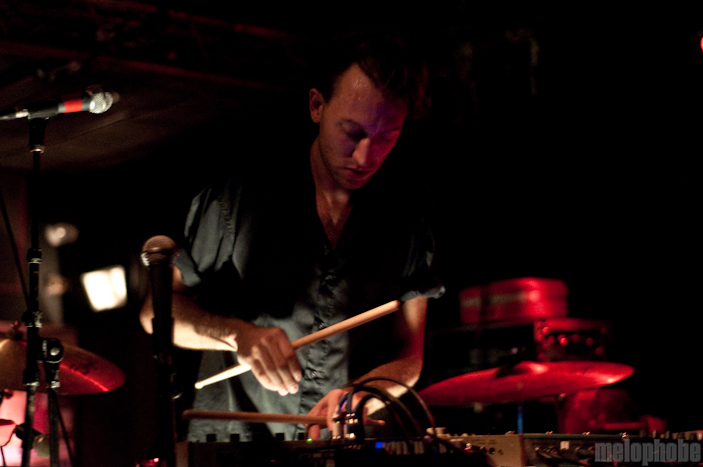
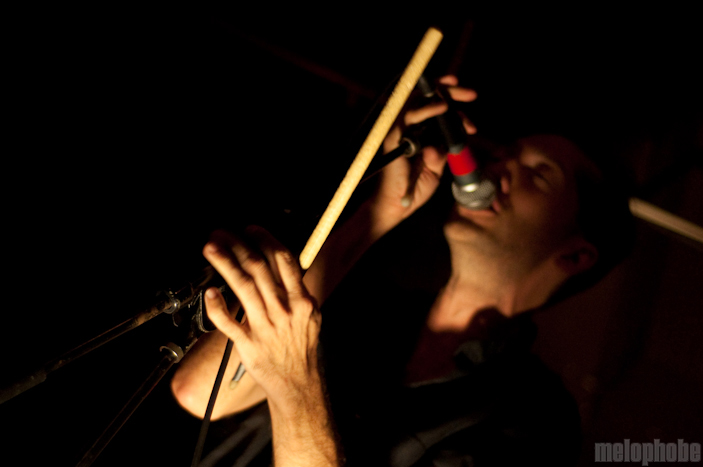
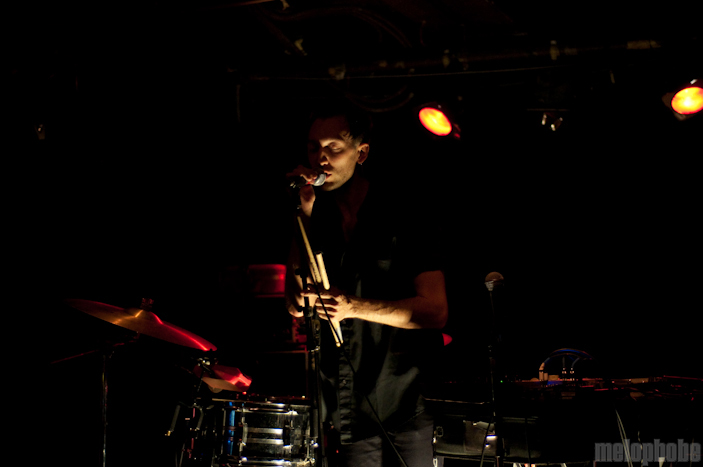
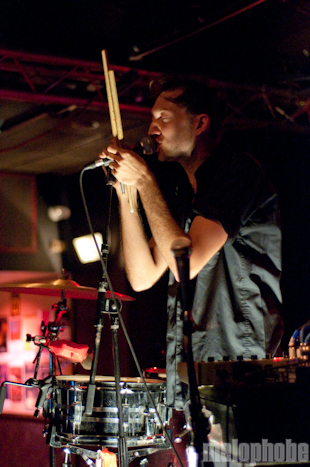
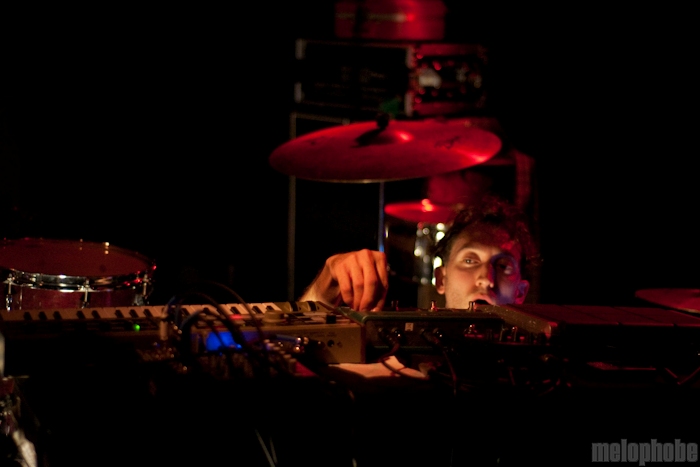
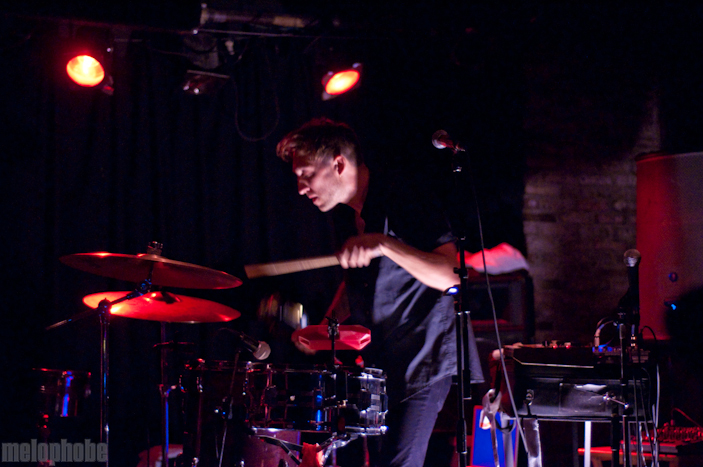
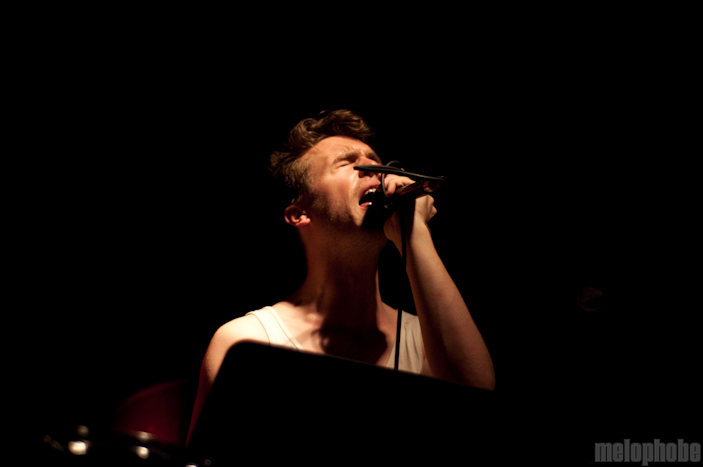
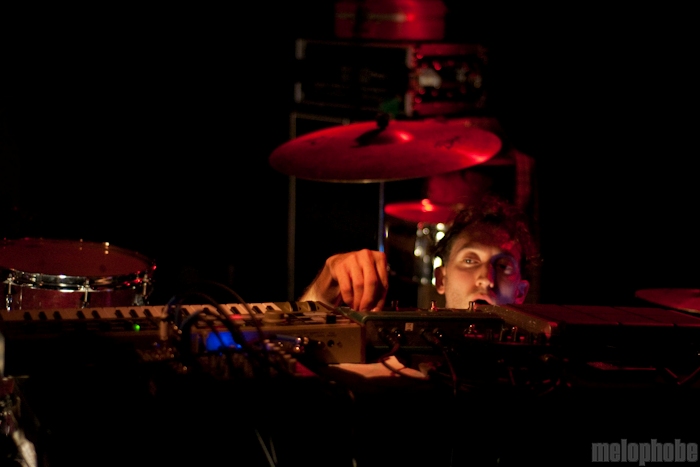
The night was far from a waste, however. Cale Parks closed out the set, an artist not ill-suited to a small, unreachable crowd. Nestled between drum sets and surrounded by a fortress of knobs and synths, Parks is a mad scientist, tinkering and toying in a tower upon high. He's a Thom Yorke/Sauroman crossbreed, devilishly intent on making the sounds he wants to make, whether anyone is listening or not.
Parks' lack of dependence on the audience played right into his hands during the set, which he pumped full of dark, percussion-laden and vocal heavy tunes. His music, despite what some critics have maintained, does not lack emotion - in fact I'd say it's chock full of it. But it's a Glenn Gould sort of obsessive emotion, not a Stevie Wonder sort of ebullience. It's with a sterile precision and absorbed detachment that Parks creates.
In fact, he seems more like a craftsman than creator, a paint-by-numbers percussionist. Cale Parks first made a name for himself as the drummer for bands like Joan of Arc, Aloha, and White Williams. Perhaps those remnants of his drumming past reveal themselves in the tendency to keep a steady beat, but his music rarely varies in tempo or dynamic. It's enjoyable, no doubt, but not the sort of music that relies on a packed house to make its mark.
With Cale Parks, what you see is what you get; on Wednesday night, not too many people saw it.