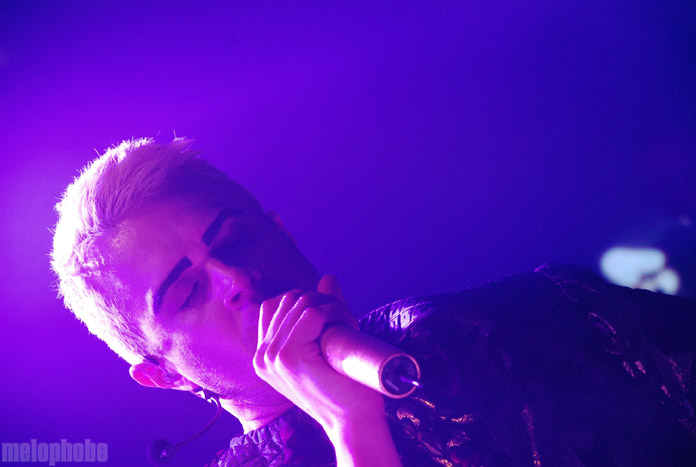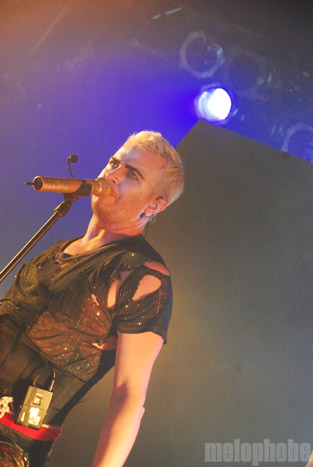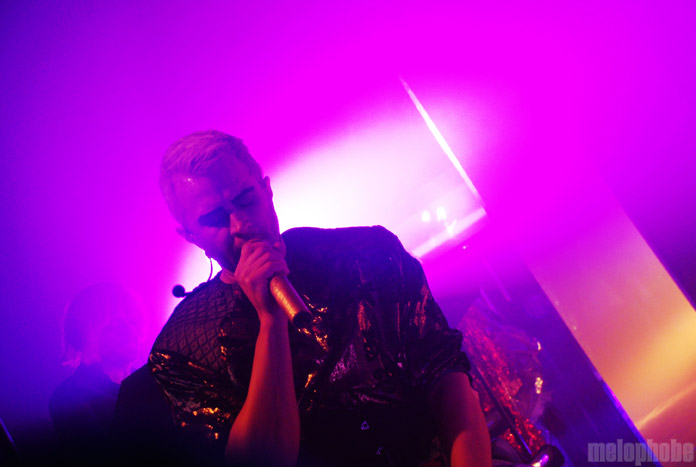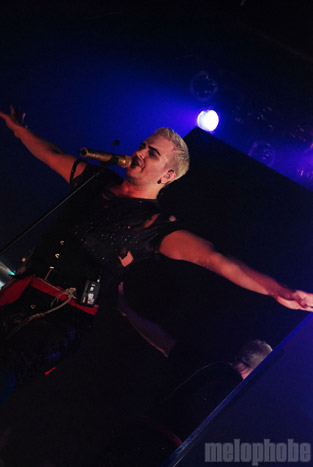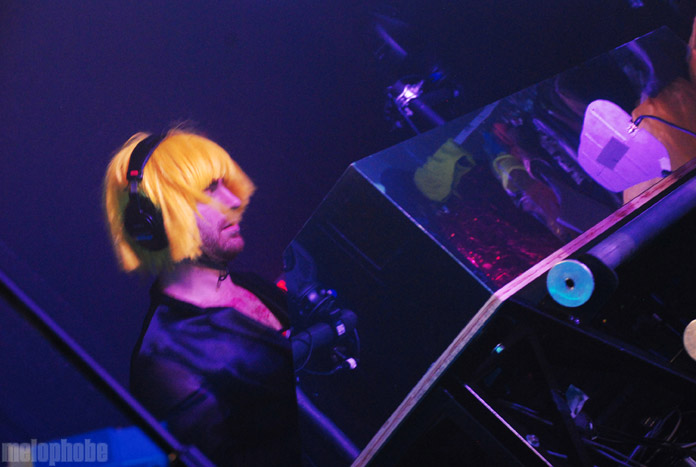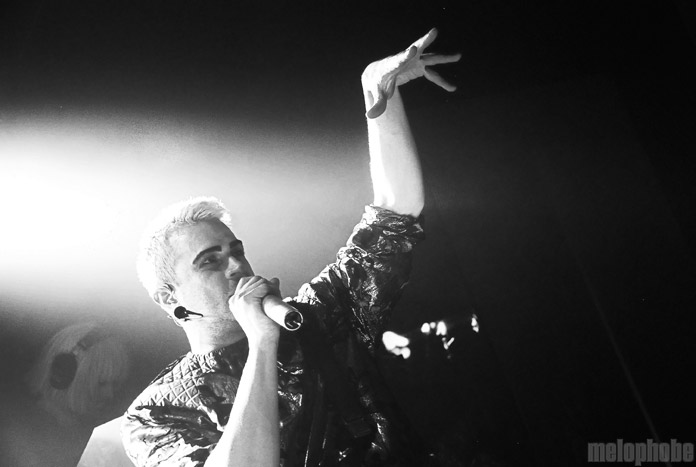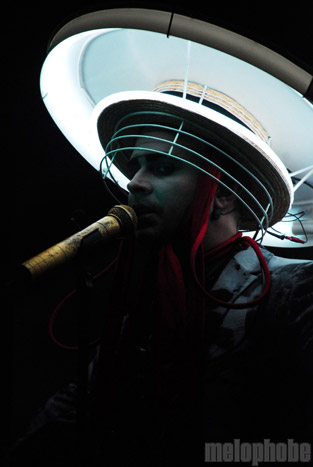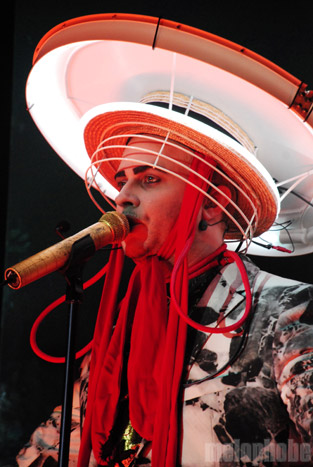
Touring in support of their latest release Entertainment, Fischerspooner returned May 6 to Philadelphia for the first time since 2005. “This is our first tour in the U.S. in five years,” Casey Spooner, songwriter and vocals, said to the crowd. “It's been really a long road getting back here” he continued, and went on to add that the Theatre of the Living Arts (TLA) show kicked off the band’s North American tour.
The evening featured Fischerspooner’s best attribute—experimentation with "everything." Right from the opening, the band showed off its penchant for the theatrical with a robot voice repeating “confusion and order.” This repetitive, mechanical opening set up an interesting foundation for the rest of the show, serving to throw the audience off as to how unpredictable and organic the performance would be. The words were like a warning to the audience that nothing here would make any sense, so we might as well just sit back and enjoy the ride.
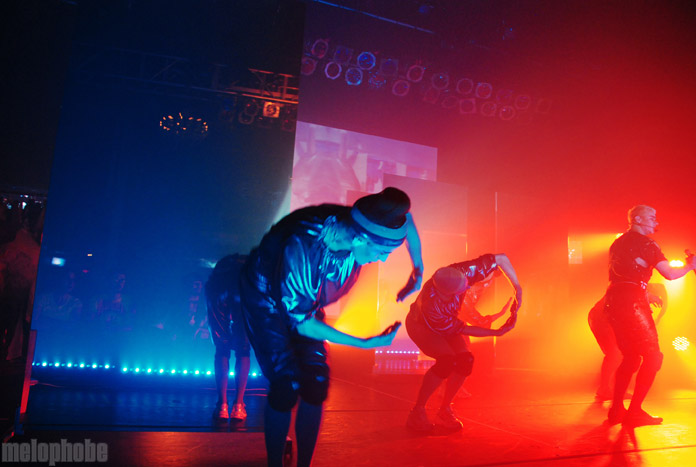
Within the clutter and chaos, the New York-based duo may have tapped into a new reality of "entertainment" for our era. The show essentially worked as an ADHD sufferer's wet dream. With so many simultaneous melodic hooks and choreographed dancing, I felt like I was watching some Degas ballerinas, a Futurist painting, and some cousin of Ziggy Stardust smashed into 1980s videos (Culture Club, Pat Benetar’s "The Warrior," Human League, Thompson Twins, etc.). And at the same time, it felt not unlike riding a New York subway during rush hour. For some reason, I felt delight basking in this voyeurism—watching Fischerspooner try to put so many genres, dance moves, musical styles, and art forms on the same stage at once.
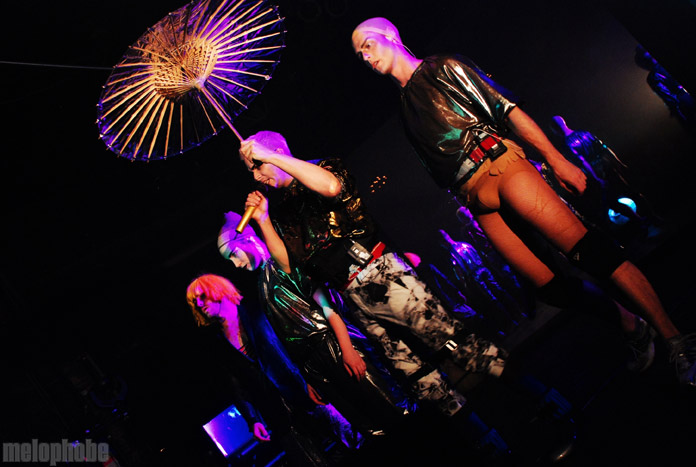
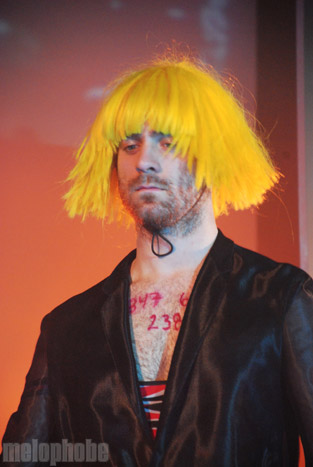
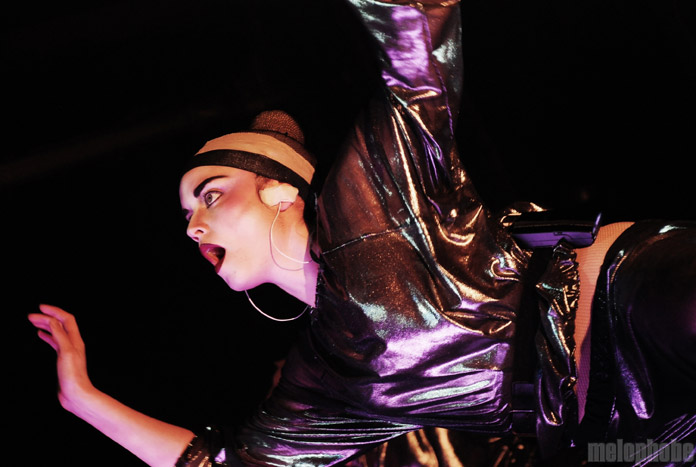
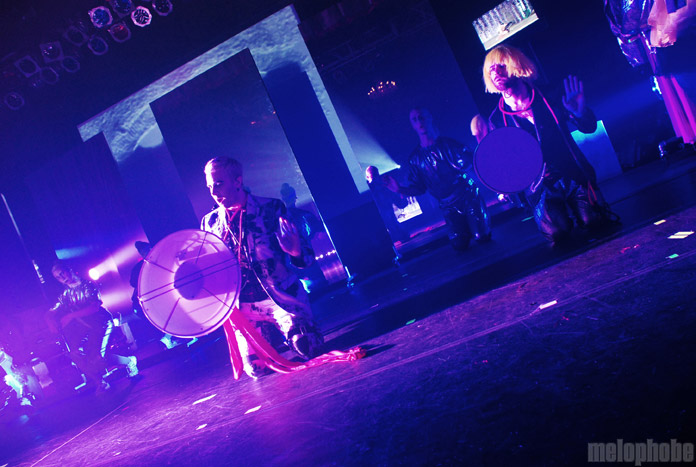
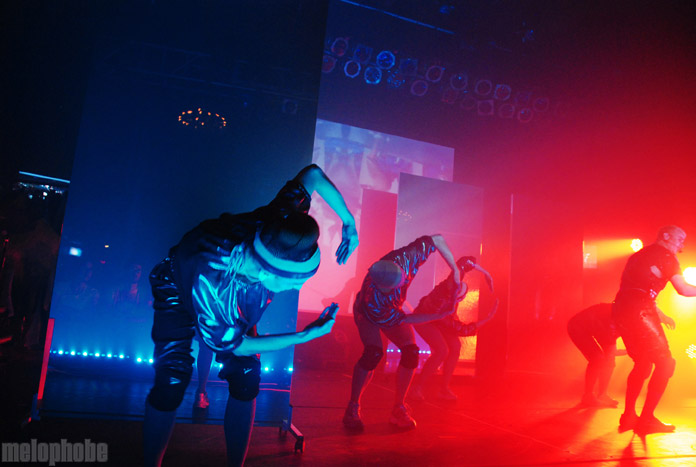
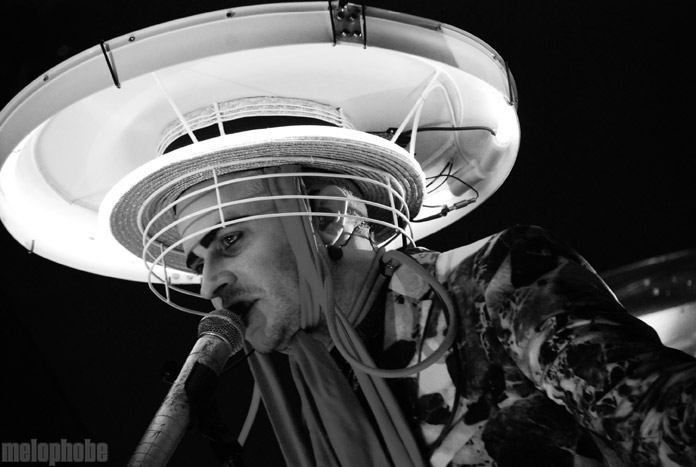
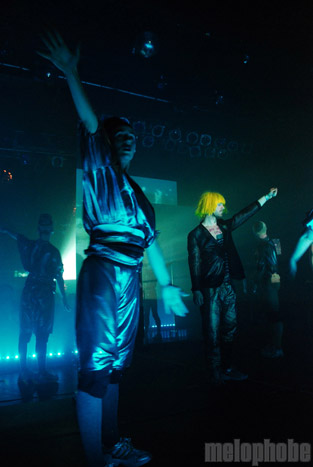
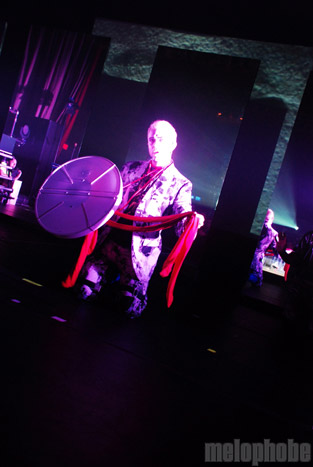
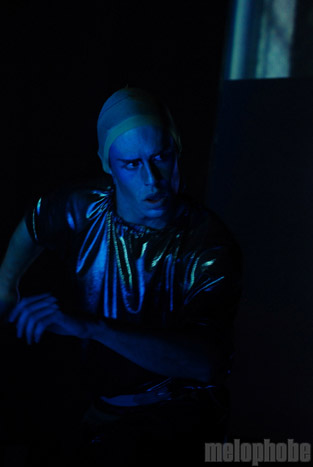
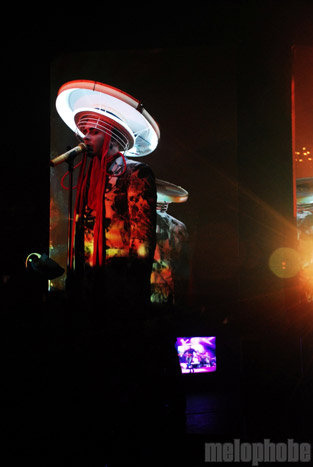
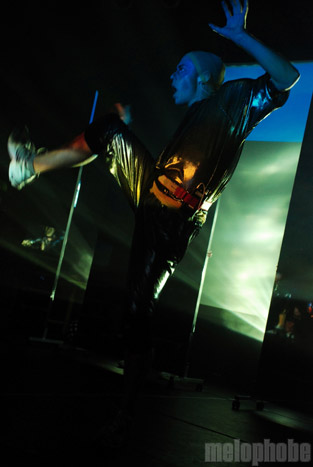
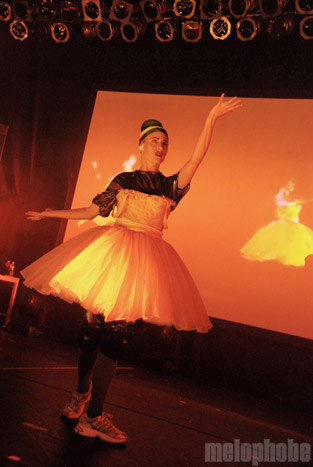
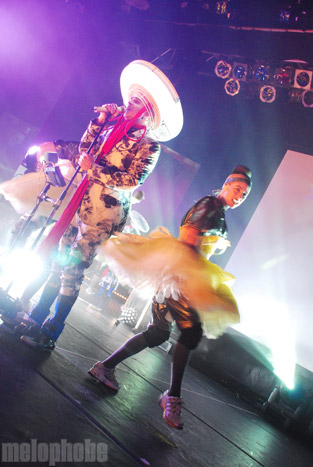
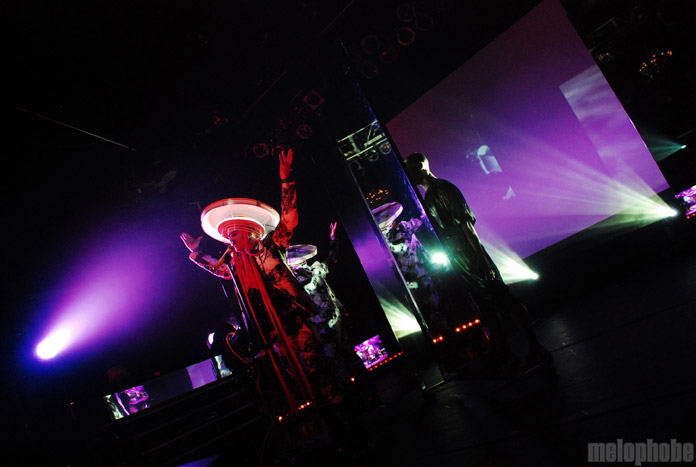
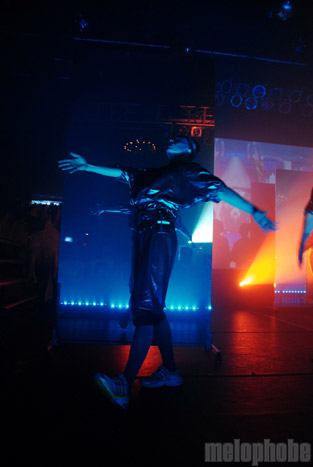
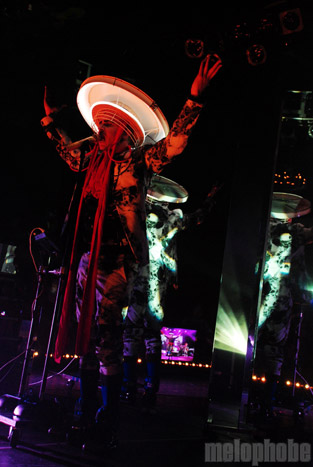
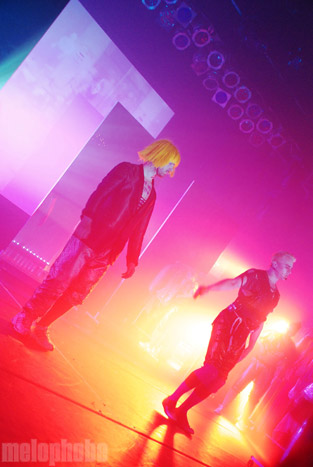
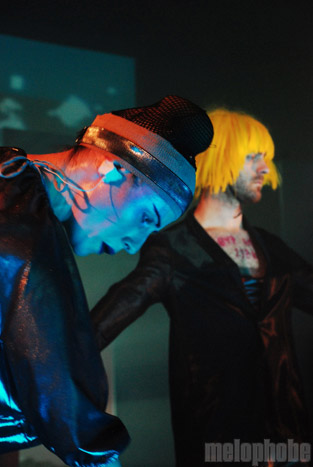
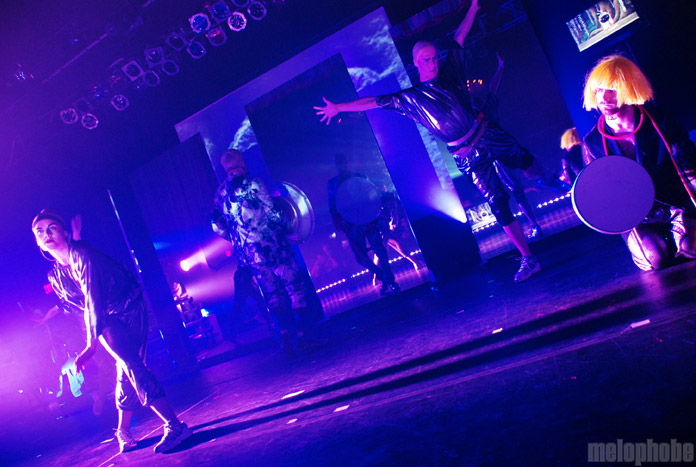
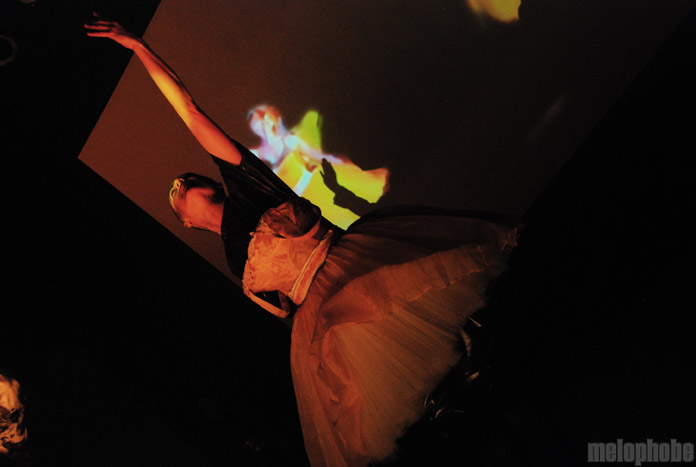
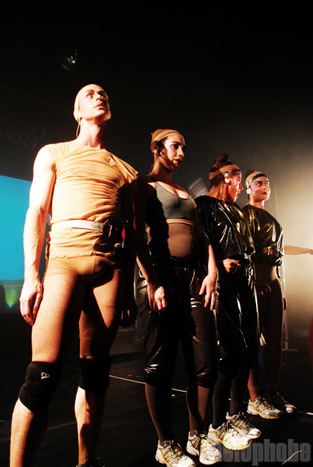
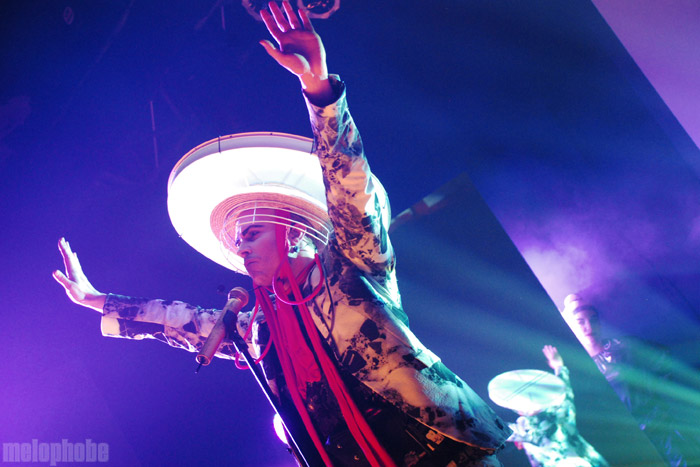
Songwise, Fischerpooner opened the show with "Amuse Bouche" and surprised me with new songs "Money Can't Dance" and "Supply And Demand," all off the new album. In addition to Fischer and Spooner, the band had four dancers on stage and four moveable 10-by-4 ft. mirrors. Depending on the placement of the mirrors, the number of people on stage seemed to multiply instantly. And as if that wasn't enough, costume changes played a large role throughout the evening. The four dancers, initially dressed in a reflective tinfoil material, often switched outfits into tutus, or caked themselves in heavy makeup resembling Geisha or traditional Japanese Noh Masks. On top of that, the dancers occasionally carried props such as spinning umbrellas, which doubled as saw blades. In the end, the theatrics somehow added to the music’s minimalist/industrialist feel.
“Entertainment” in the modern age is information and art pummeling the audience from all sides. Oddly enough, the audience reflected the diversity and complexity of Fischerspooner's performance. A rag tag group of old-school punk, goth, industrial, house, techno, rhythm & bass, and pop fans seemed entranced by the clutter.