The last time I saw Toots & the Maytals I was dancing in a field at Bonnaroo with 20,000 other smiling faces below a sky filled with bubbles. To say this was a little slice of heaven would demean it, because of all the shows that weekend, I never saw another group of people so collectively overjoyed or happy to be alive. And that’s the magic of Toots and the songs that he sings. He makes you want to cast aside the baggage of your mind for two hours and take a walk down the brighter side of the road. So it was no surprise to me that when I was asked at work about how the show was on Thursday, the words I heard coming out of my mouth were, “I smiled so hard, my face hurt.” Toots had struck again.
But I guess the weather did, too, only in the opposite direction. It rained down on me in hard drops as I ran from the car to the Roseland, drenching me along the way. Didn’t the sky know that I was going to a reggae concert? Couldn’t it have cooked up a cool breeze and about 75 degrees for my walk there? Me thinks it might have been jealous that I got to go inside and listen to four hours of reggae, ska and afrobeat from the likes of three incredibly talented groups. And if it was, it would have cause, since everyone on the bill was worth the price of admission.
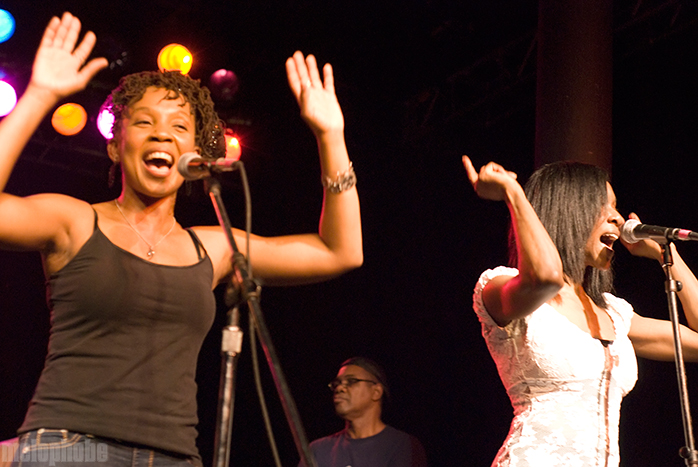
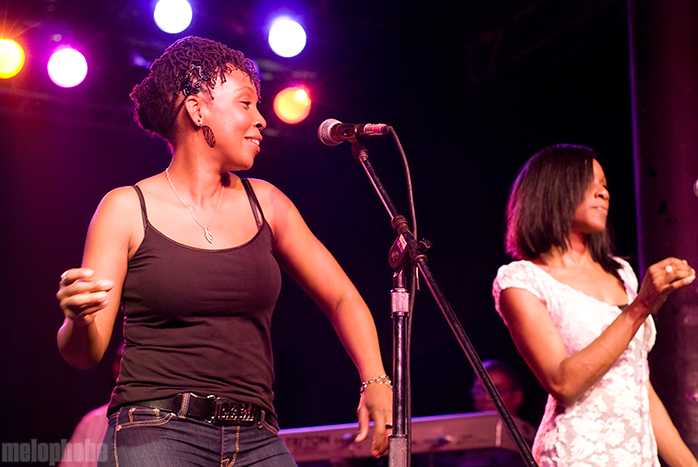
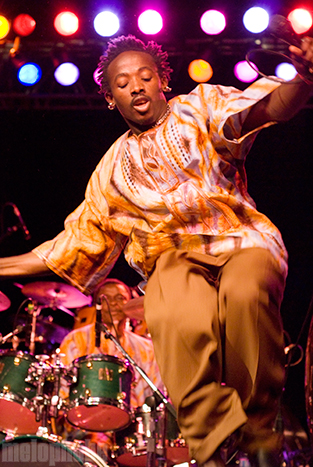
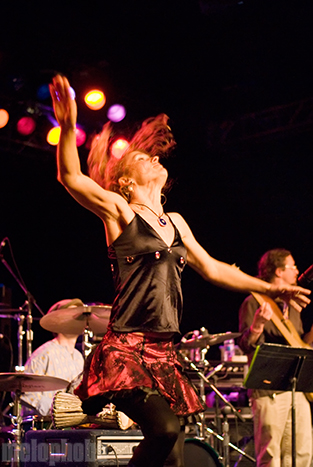
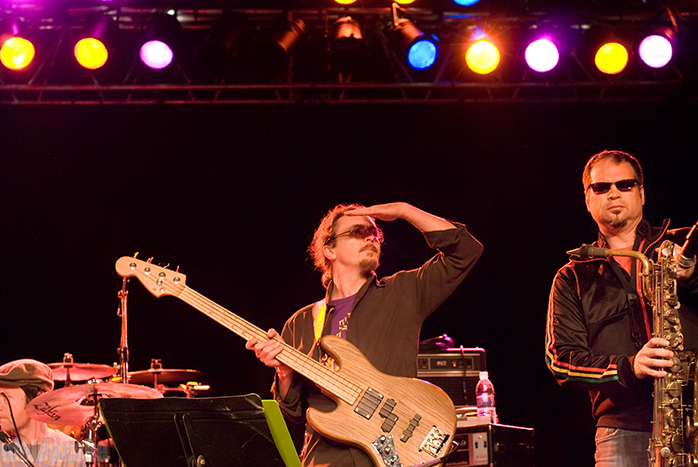
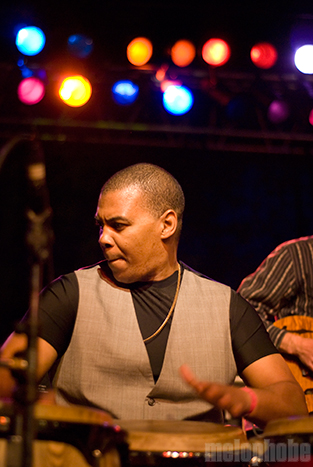
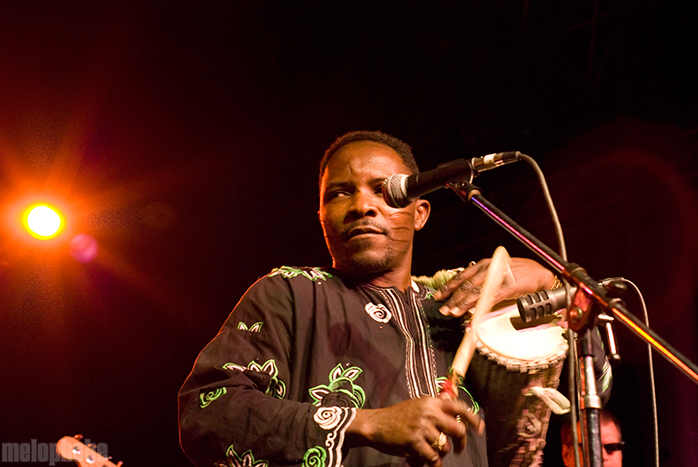
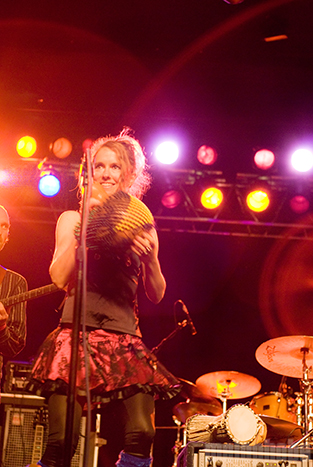
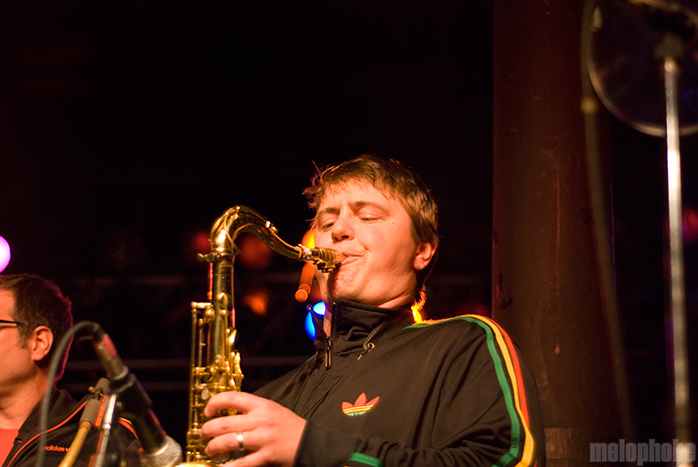
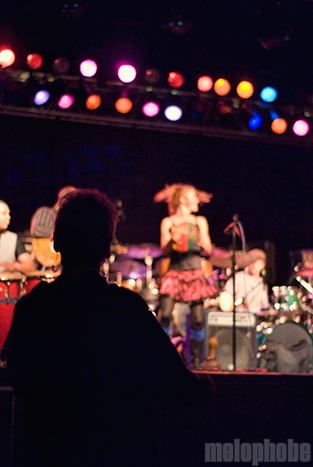
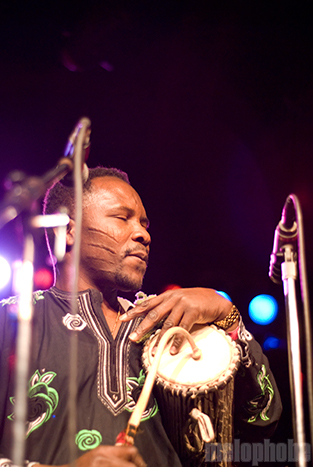
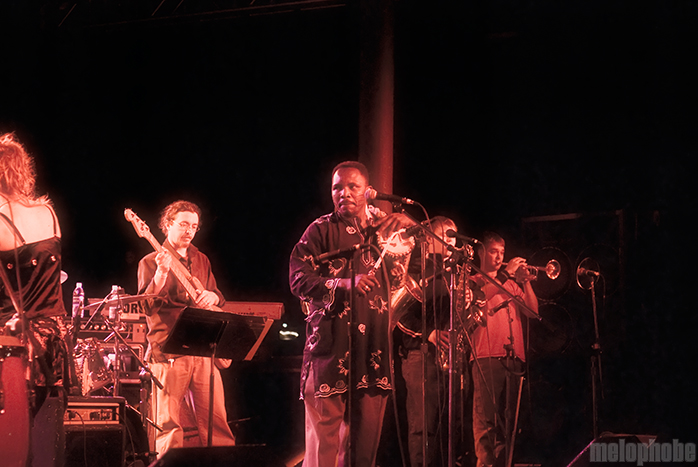
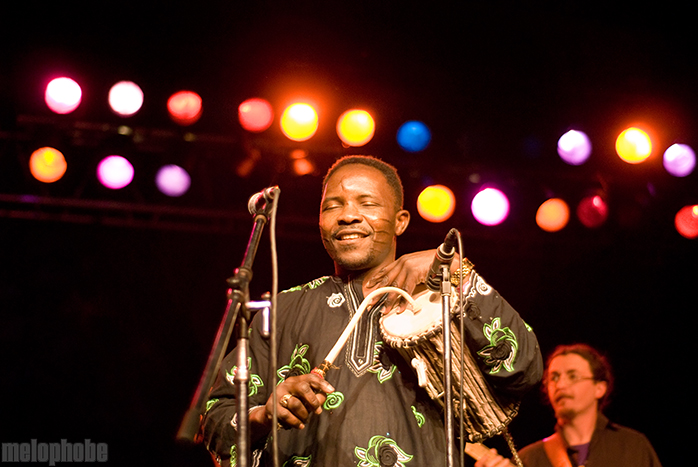
The first opener went by Jujuba and its immediate claim to fame is that it is fronted by Nojeem Lasisi, a Nigerian talking drum player who used to run with King Sunny Ade’s African Beats group - a cool fact that seems to inform the afrobeat rhythms, funky guitar work, and rabid percussion that make what Jujuba does so engaging. Add in a horn section and an unchained dancer that rides the groove, and you’ve pretty much got an idea of what to expect.
I was really impressed by them and could tell that the people around me shared my sentiment. Their music was a non-stop call to dance, and they gave you ample opportunity to, since the lyrics usually took a backseat to the instrumental sections. It was just so fun and acted as the perfect opener to the evening.
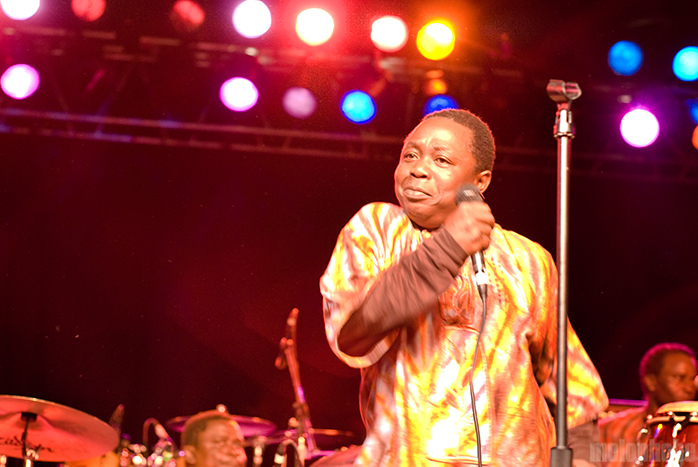
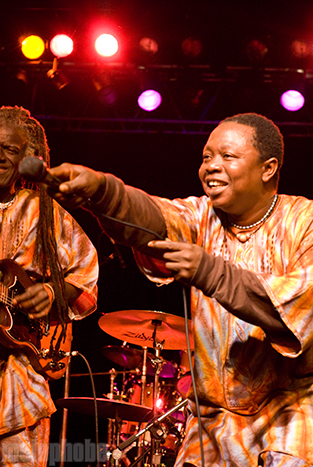
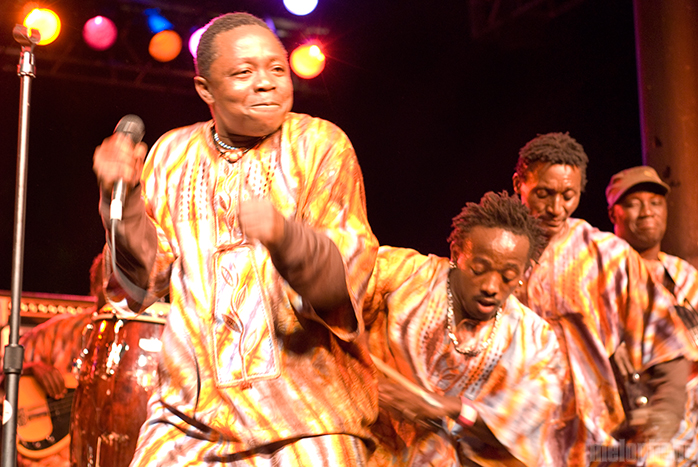
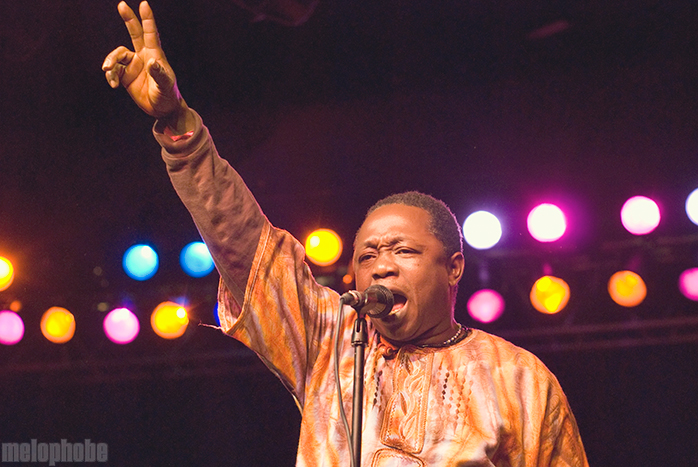
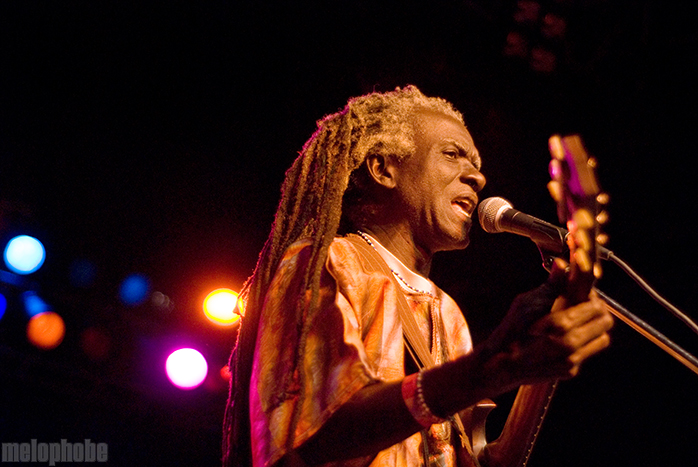
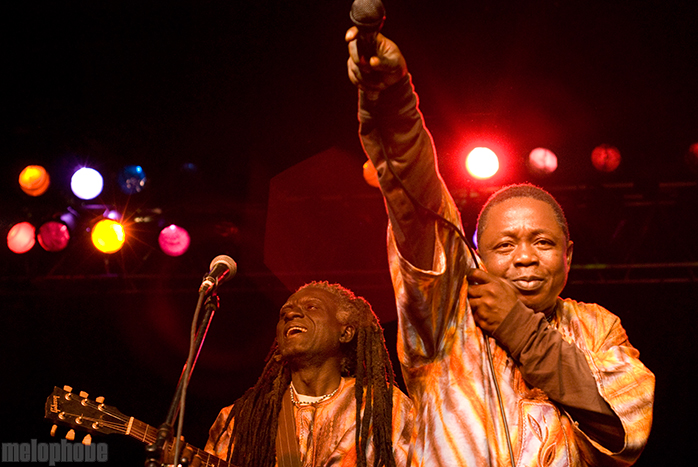
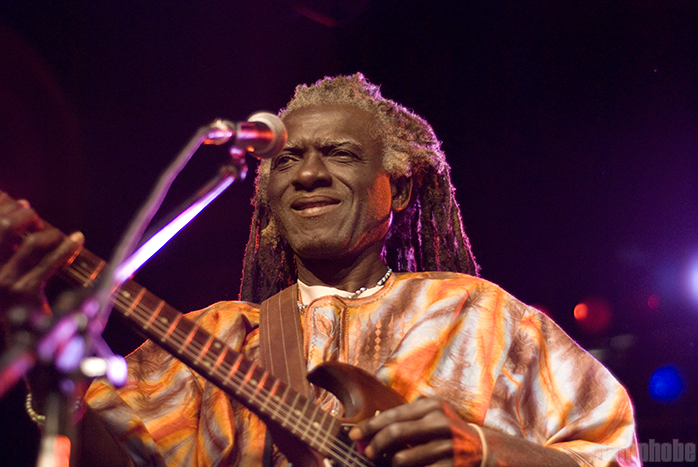
Following Jujuba was the Sierra Leone Refugee Allstars, a group that formed in a refugee camp after their country’s civil war and achieved worldwide fame after appearing in a documentary that highlighted the way they used music to persevere. But even if you didn’t know that chunk of their background, you would still be riveted by what they offer on stage.
Much like Jujuba, the music was seeped in African polyrhythms and highly danceable song structures. And while I watched them play it, I realized that one of the best parts about music is that you don’t have to understand the words to deeply connect to it. To me, this is an essential part of appreciating music. I mean, what else transcends language, cultural barriers, and roots us back into each other like music? Nothing that I can think of and I’m not sure I’ll ever figure out why that is exactly. What I do know is that the audience didn’t need a translator to find a way to SLRA’s sound. They responded to its light and airy demeanor and responded eagerly to all of the band’s calls for participation. You could feel the energy knob getting turned up as we went along.
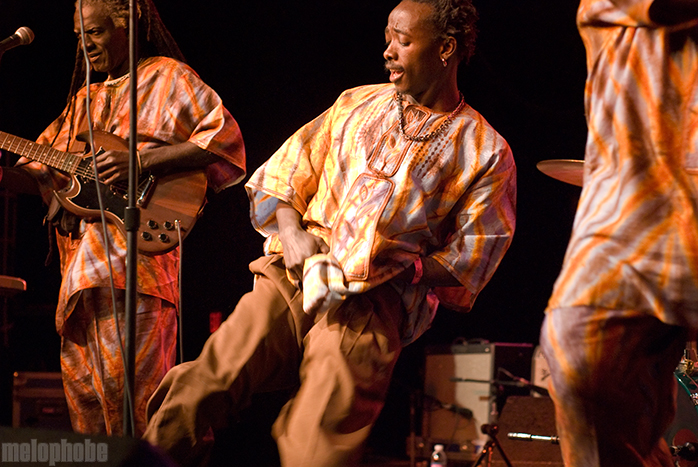
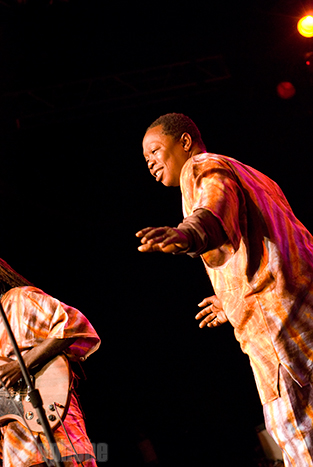
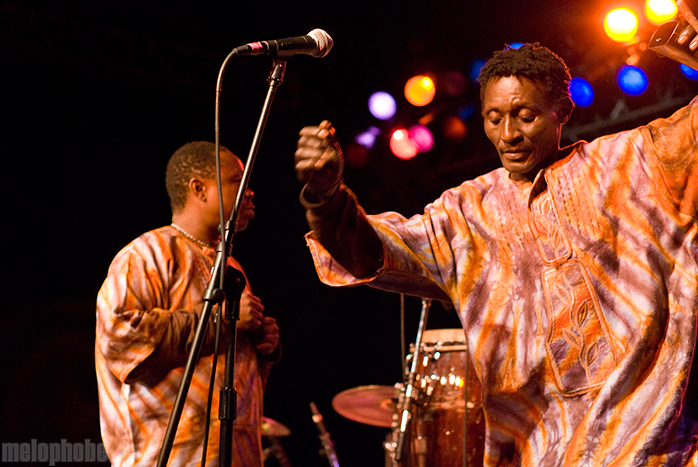
This energy was consistent for the entirety of their set as the members of SLRA, clad in matching African patterned dashikis, continued to up the ante by busting out dance moves that made me feel like I belonged to the most inhibited culture in the world. Not that I don’t dance, I do, it’s just that the African style of movement is a type of expression that is light years beyond America in terms of muscle freedom. And they took every opportunity they could to dance to the music and show just how much fun they were having (which seemed like a lot). Needless to say, it caused a chain reaction out in the audience, and by the end of the set, everyone’s shoes were just a little more worn in. They are a “can’t miss” group.
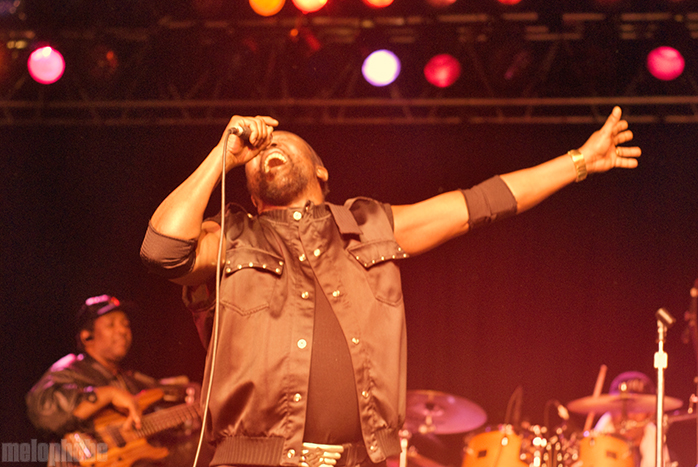
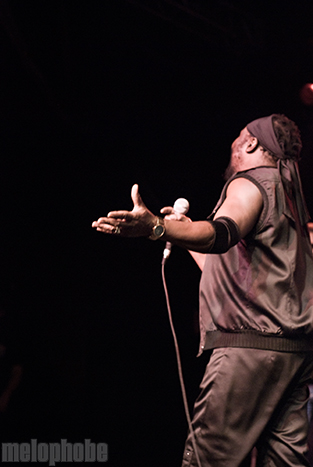
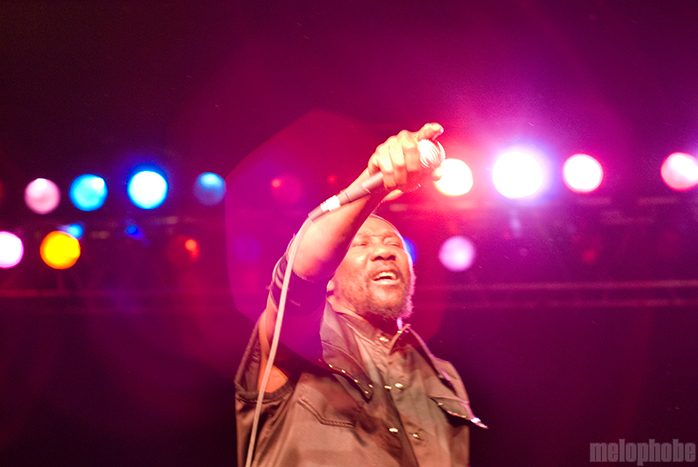
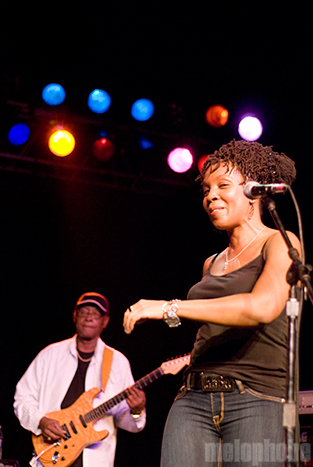
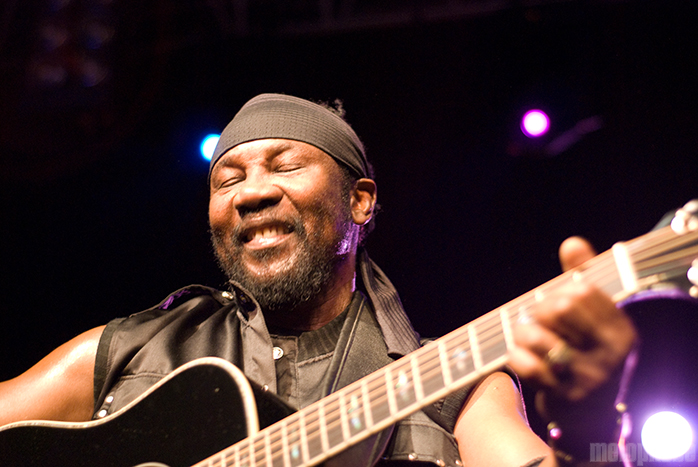
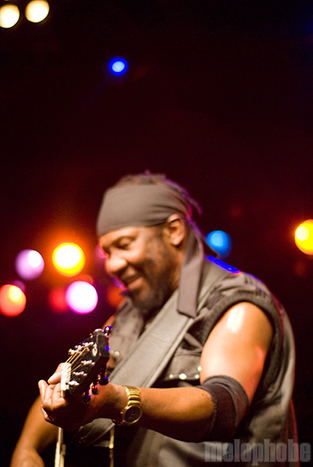
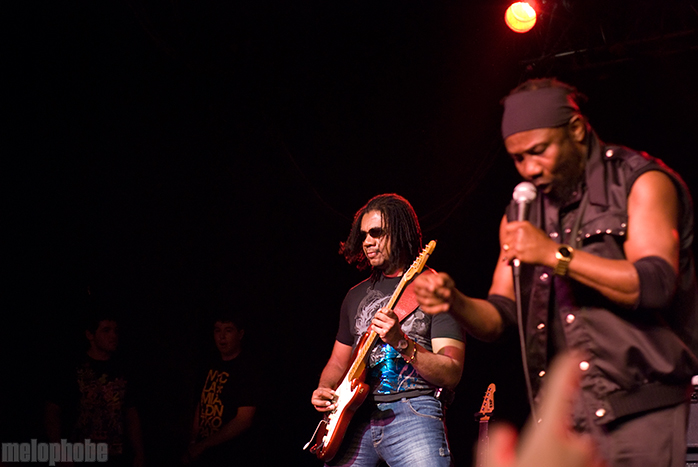
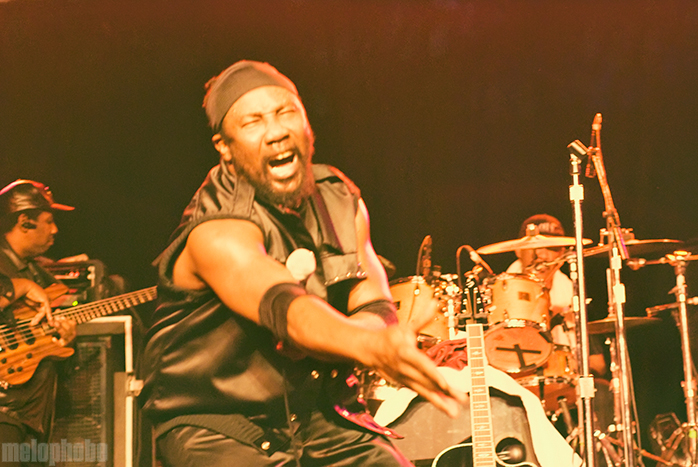
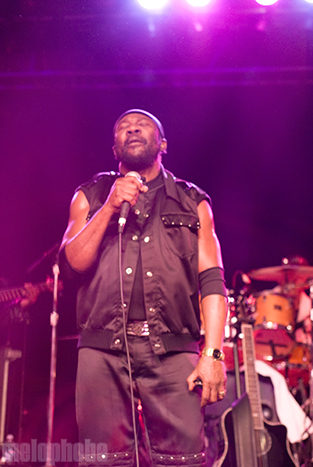
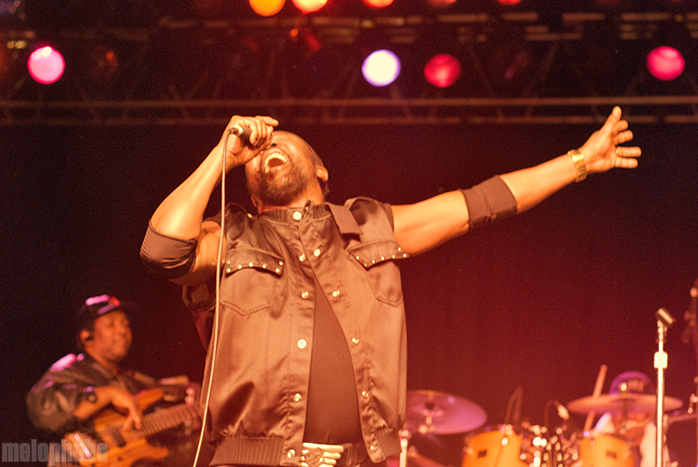
Finally, it was time for Toots & the Maytals to take the stage and bring their own version of the island to Portland. The crowd exploded when he emerged, and with each passing number appeared more and more giddy, choosing to channel their exuberance through random jumps and echoed lyrics. Toots Hibbert responded in kind, beaming through each song with a passion usually reserved for a much younger man. The lock between audience and artist was there from the beginning, and each side wanted to show the other they meant business.
Toots’ set mostly stuck to his greatest hits, a coup for the fans that were obviously smitten with the 1970s’ output that still makes him a relevant and mandatory listen. And as he brought out the big guns like “Pressure Drop” and “Funky Kingston” it became immediately apparent that this man hasn’t lost a beat. Which kind of blows my mind. Most legacy acts that continue to push on into their 60s tend to soften with age. Their range dries up, or their technical ability wavers or maybe they just lose their onstage fire, but not Toots. He still sounds like a Jamaican version of Otis Redding, who can not only hit all the notes but also make them shimmer. He really is a true, living legend.
And for my money, he is still in love with the songs that made him famous. Songs that I’m sure he has played thousands of times. And while that number would probably make the normal person’s mind bleed, Toots seems to relish the opportunity to get people to sing along with him. He yells for people to sing out, he shows them the way to do it, he asks them to push harder and then the band plays the song in double time and people lose their shit. Songs like “Reggae Got Soul,” which help us in the audience to understand that not only do you have soul, but the people around you do, too, felt like reggae/ska versions of a church revival without all the guilt of religion. We were allowed to praise the music in our own way, as long as we realized that we were all a part of the same thing and we needed everyone else to make the song grow into something more.
So we sang out as much as we could, and that place got loud. And we danced as much as we could, and that place got hot. And we smiled big and bold, because that’s the only reaction that could make any bit of sense in a situation like this. It was one, big, happy festival of high spirits backed by a soundtrack of delightful rhythms from a country a lot of us have fallen in love with because of pioneers like Toots Hibbert.
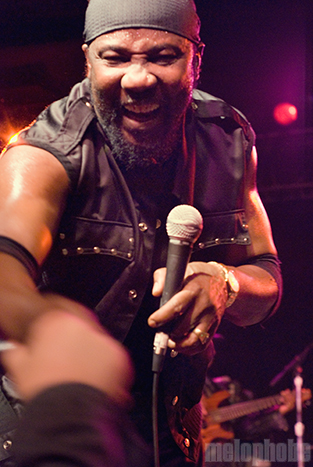
My favorite moment was when Toots played his cover of John Denver’s “Take Me Home, Country Roads,” and everyone in the crowd sang, “Take me home, country roads/to the place I belong/West Jamaica.” By then we had all followed Toots down the rabbit hole and were on board for wherever he said the ship needed to sail. And although I picked this moment to highlight, the entire show was one big sing-a-long/soul shakedown party. Toots seemed to like it, too, as he made his way out to the crowd to give some fist bumps and handshakes to the front row. His route was easy since there was no barricade, but in a way that’s kind of how the show was - no divisions between the participants, including the performers.
All in all, it was a spectacular show, and I walked away feeling like I had won some musical lottery. Not bad for a rainy night in Portland.