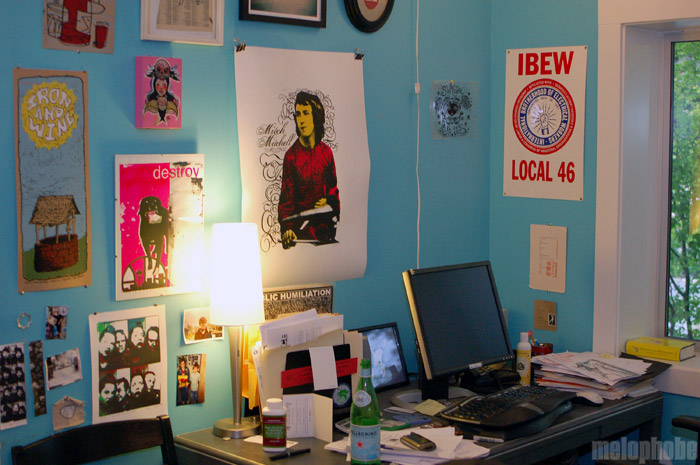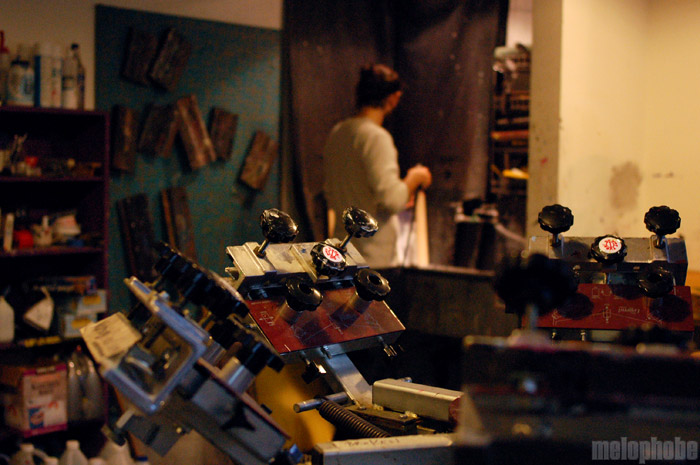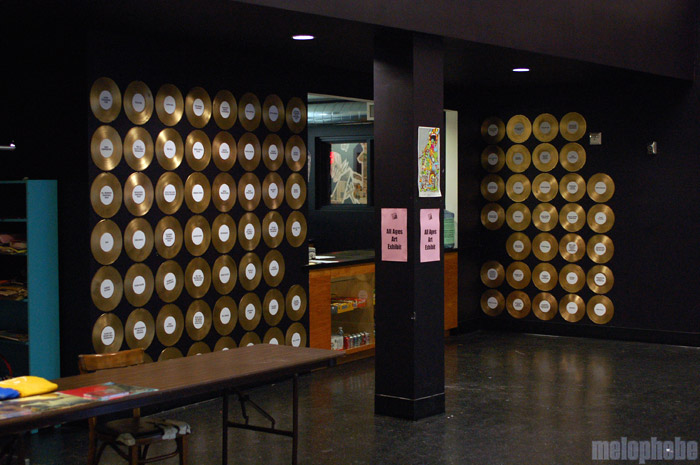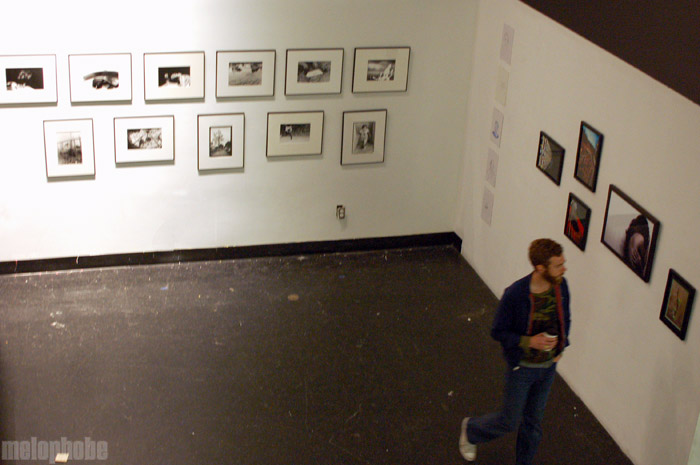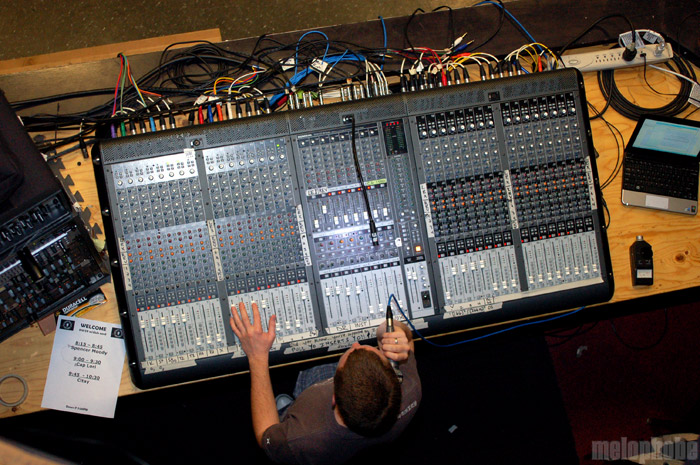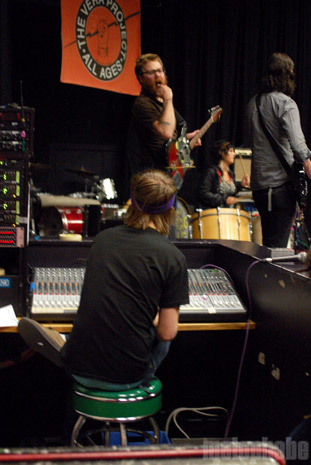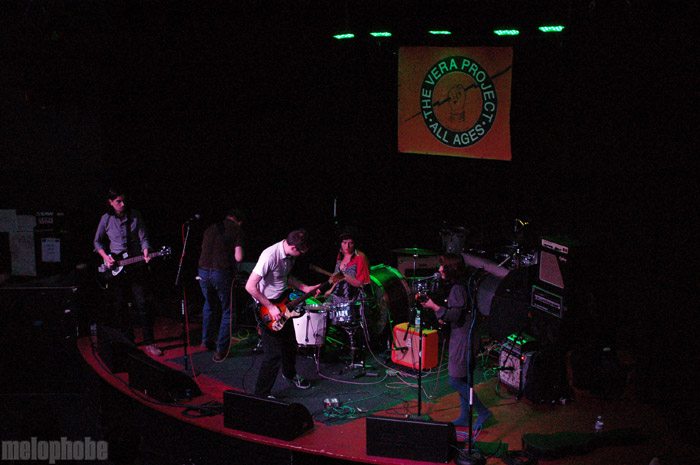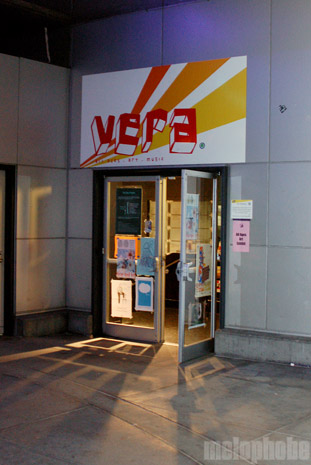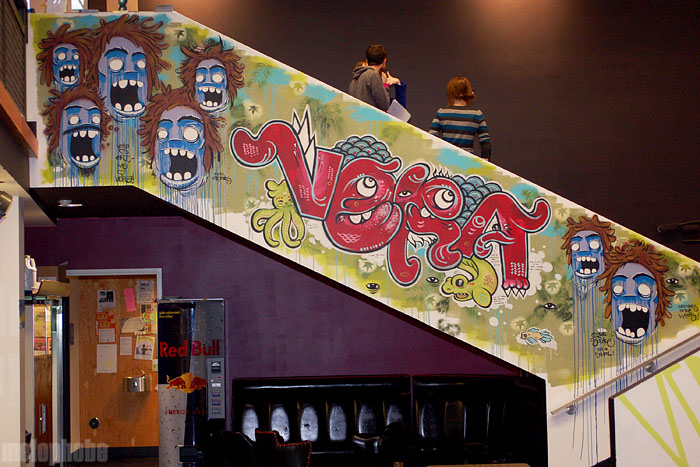
The Vera Project is a bustling hub of activity: tonight's band is sound-checking, participants are strategizing about their presence at Sasquatch Festival this weekend, and people are busy in the impressive screen-printing studio. This is clearly a place where things are happening. I thank Shannon Roach, the Executive Director, for taking time to meet with me and show me around at such a busy time. She cheerfully replies that it's no problem; it's always this busy. Although things appear chaotic, the mood is warm and friendly among staff, participants, and volunteers, and it seems no coincidence that Vera happens to be an acronym for the Latin veer et recti amici, meaning "true and sincere friends," as Shannon will later explain.
This community was the vision of former UW students James Keblas and Shannon Stewart (later joined by Kate Becker). Studying community development in Groningen, Holland, they came across a century-old government-funded, volunteer-run, multi-arts community center called Vera. The success of this model inspired them and, lucky for Seattle, they decided to bring it home and tailor it to fit the city's needs, particularly access to all-ages music.
Since its humble beginnings in 2001, The Vera Project has known how to draw a crowd. Their first show--featuring a classic line-up of The Blood Brothers, Botch, and Murder City Devils--was such a success that they ended up turning hundreds of people away. Besides getting great acts in their venue, the key to their success has been fostering a community that people are excited to be a part of, which is always a particular challenge for all-ages venues. With audio engineering, studio recording, and silk screening programs (to name a few), a staggering 54,000 participants in 2009 speak for this non-profit's popularity.
How exactly has the Vera Project been able to thrive while other arts and music programs are struggling or failing? "There's really great art here," says Roach, adding, "Because it's volunteer run, and because so many people participate in The Vera Project, there's a sense of ownership. There are so many people that think of The Vera Project as their own space." Furthermore, the venue features an eclectic inventory of acts you're unlikely to find at any other clubs.
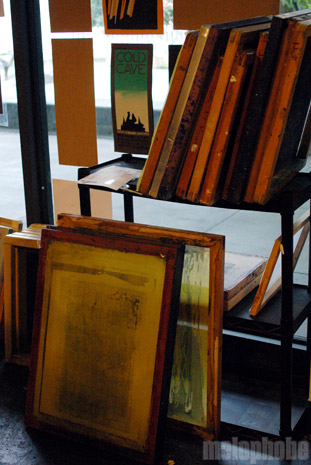
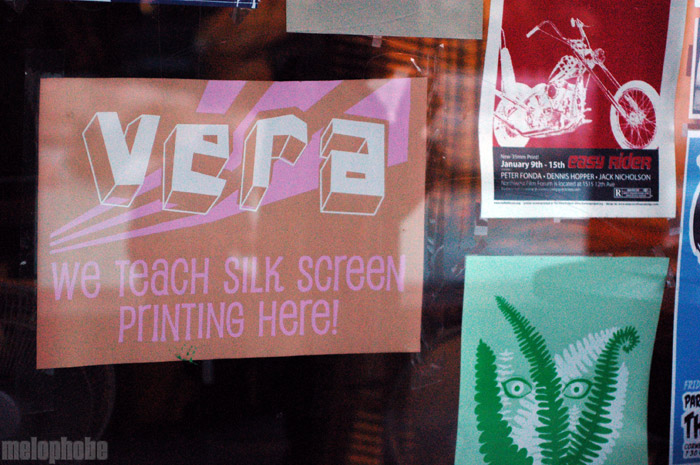
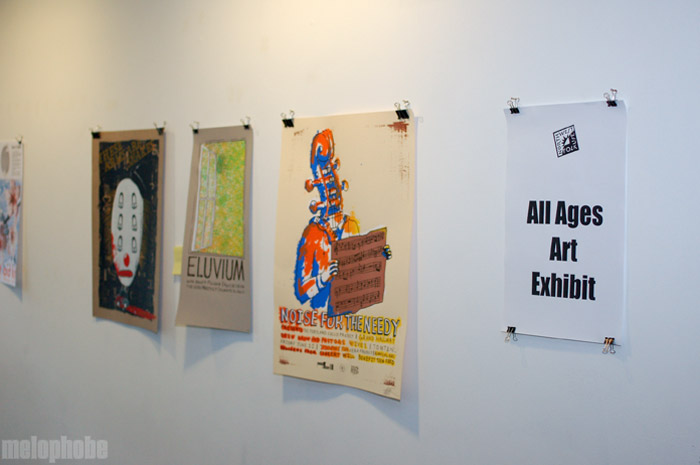
But the venue is just one layer. In their own words (taken from theveraproject.org) "Vera is a true to life 'choose your own adventure' story." Whether taking classes or volunteering (or most likely both), people are completely free to pursue what they're into here. Take an audio engineering class and soon you could be running sound for your favorite alt-electro pop band. After Sound 101, you could find yourself in the recording studio helping cut a demo or album. And bands do record here. Bow & Arrow, Steel Tigers of Death, and Android Hero are a few on the roster of musicians who've made records here. Or take their screen printing classes and start promoting upcoming acts with gallery-worthy hand-made posters. "Through the silkscreen studio, this whole arts community just keeps on growing," said Roach. "There's at least a dozen active artists in the studio." These resident artists teach classes and often design incredible limited-run posters for upcoming shows at the Vera.
The Vera Project's current location has been at the Seattle Center since 2005 after its downtown location on 4th Ave. was slated for demolition (yep, for yet another luxury condo). And though creative use buildings are struggling to stay open, and towering eyesores are taking their places, Vera Project seems destined not only for survival but tremendous success.