Let there be no doubt – there is an uncomfortable irony in the idea of Arcade Fire performing at the Memorial Coliseum. This building, a near-obsolete product of the creeping urban expansion of the late ‘50’s and early ‘60’s, once surrounded by parking lots, and now more modern parking garages, settled neatly into a commercial and residential wasteland of which it is both instigator and epicenter, seems to epitomize precisely the vacuous suburban experience that is at the center of Arcade Fire’s third and most recent LP, The Suburbs. Compound that with the fact that half the tickets, somewhat surprisingly, remained unsold, and what you had were the makings of a disastrously sterile performance. The scene seemed so poor, in fact, that while waiting for Arcade Fire to take the stage, I proposed to my companions the following experiment in the resilience of artistic integrity: will such excellent songs as “Rococo,” “Month of May,” and “Sprawl II” stand up, maintain their power, in a half-full room where the beer is murderously overpriced, the merch table is located in a banquet hall, and the majority of the audience are confined to stadium seats situated with circuses and professional basketball in mind? The answer: Oh my God yes!
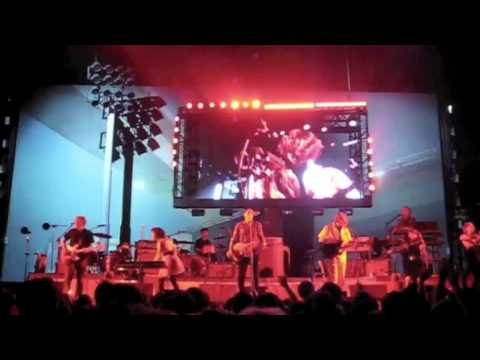
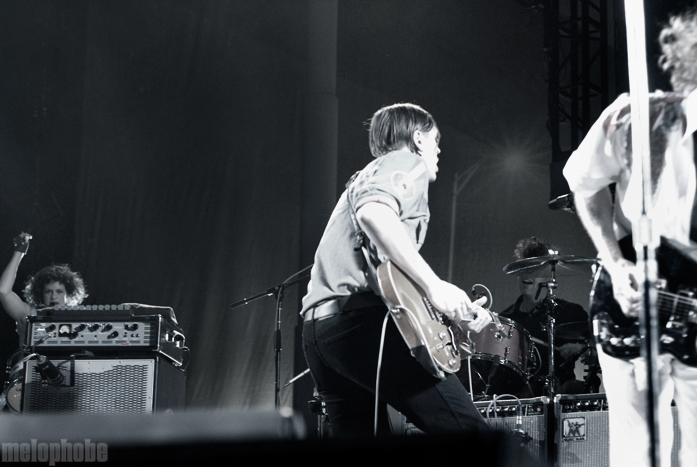
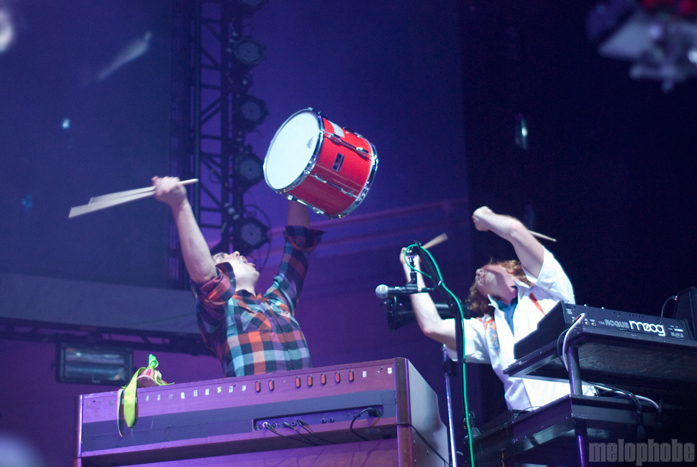
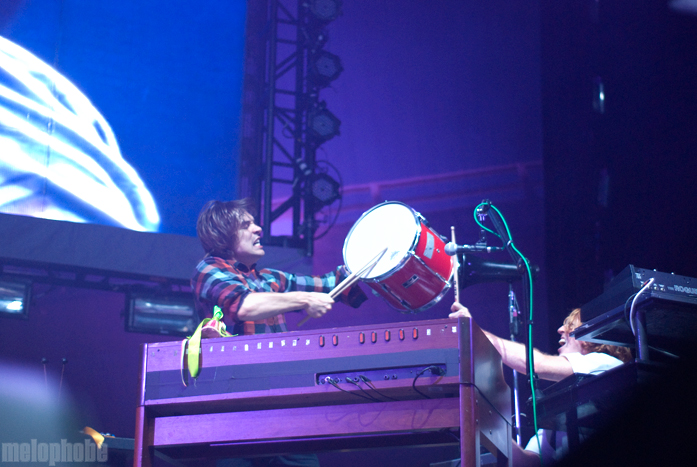
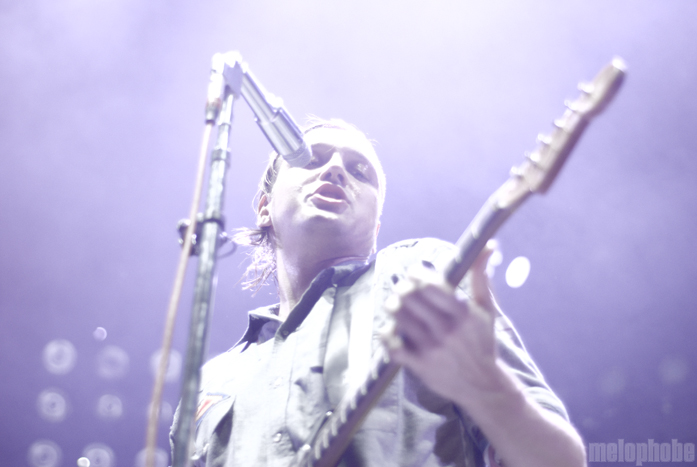
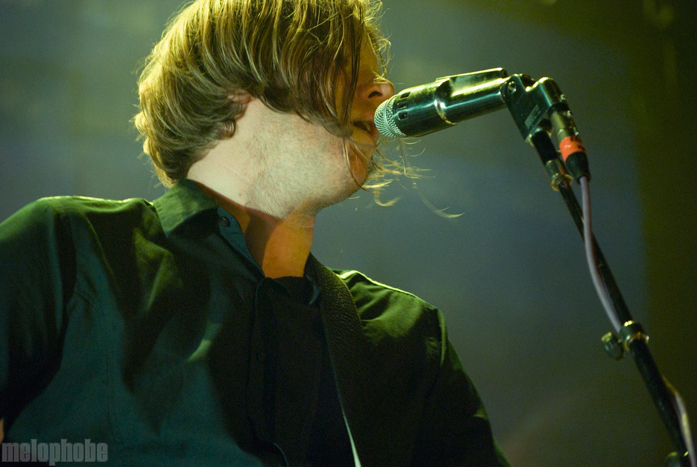
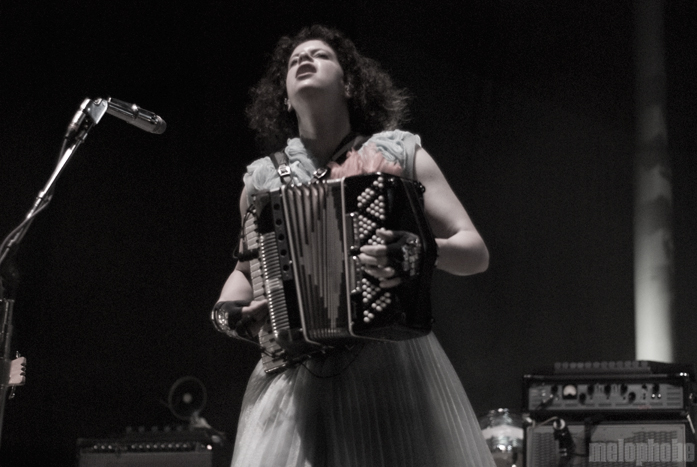
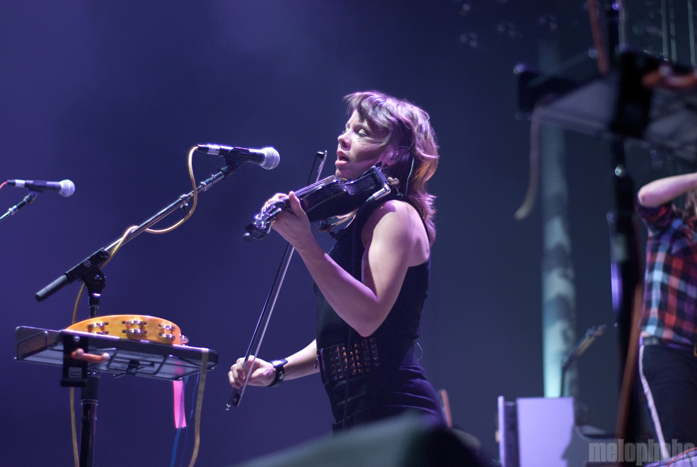
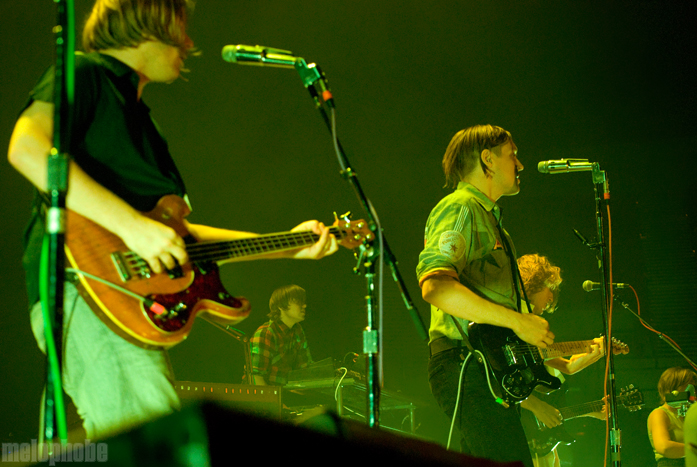
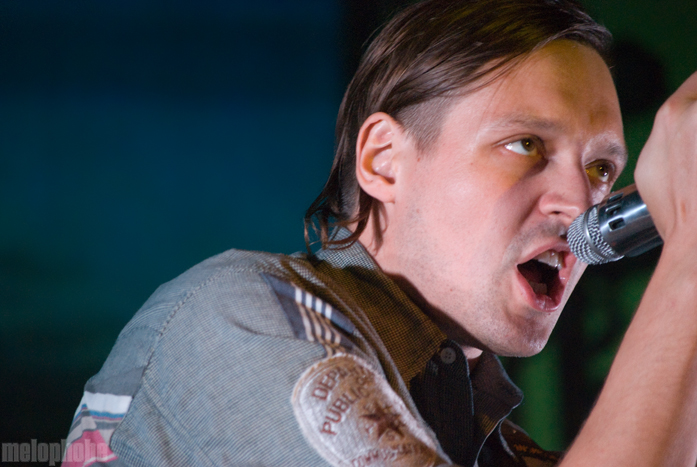
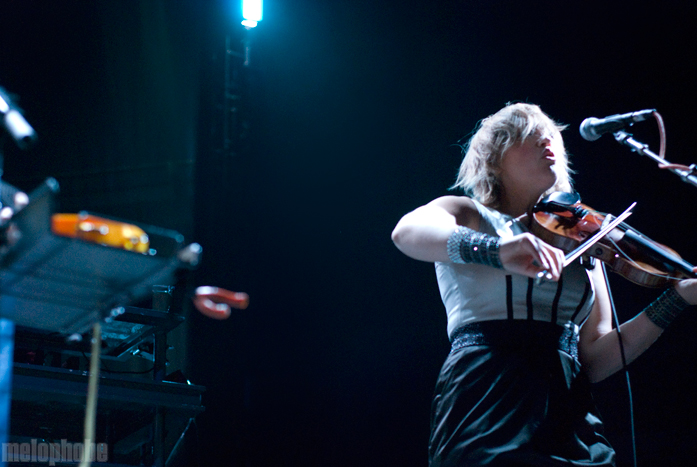
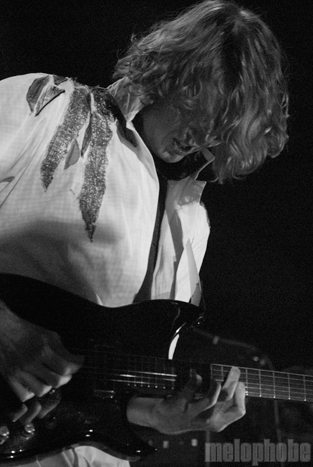
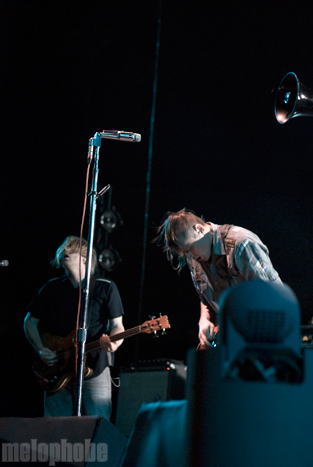
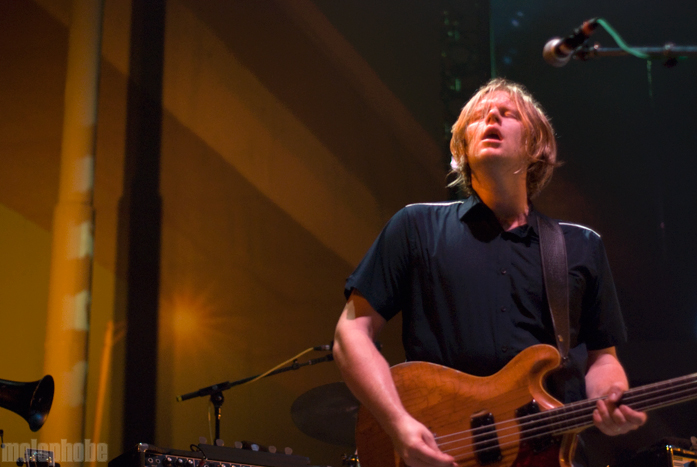
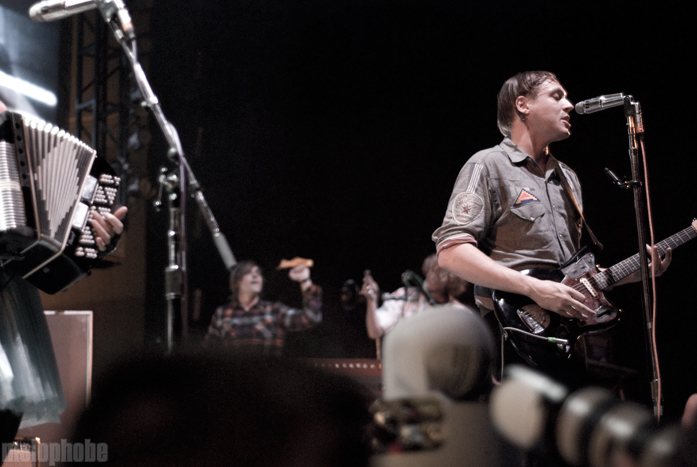
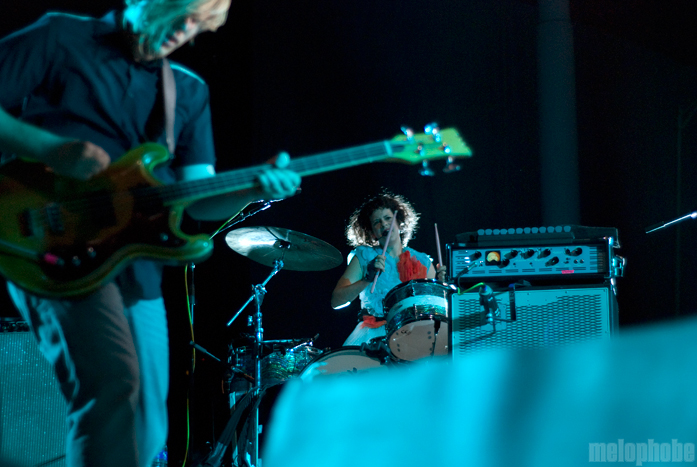
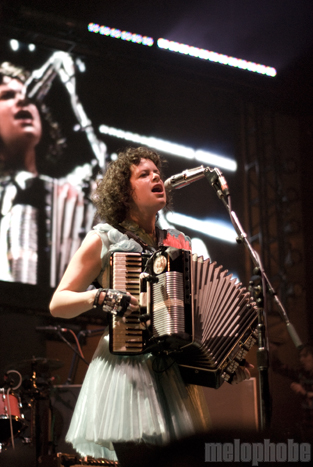
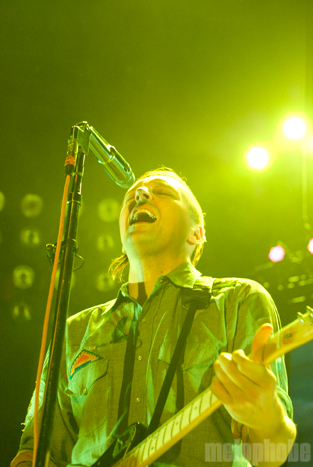
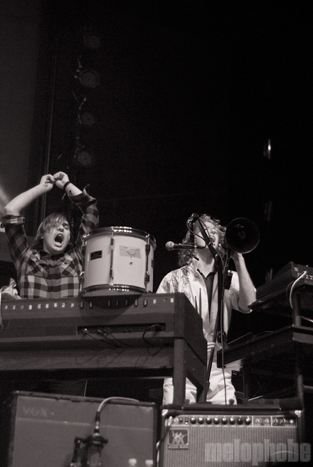
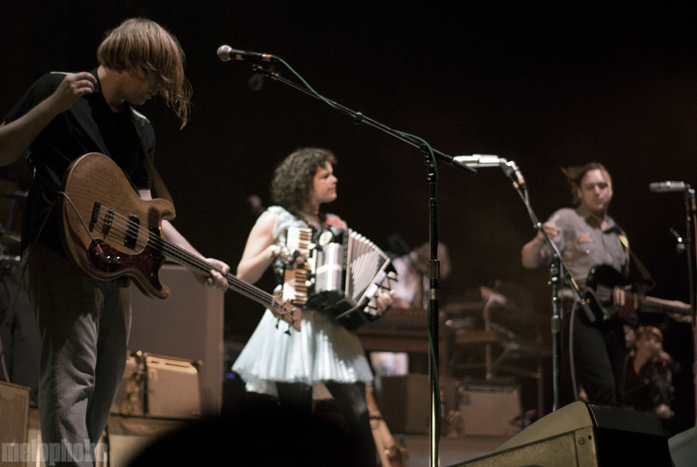
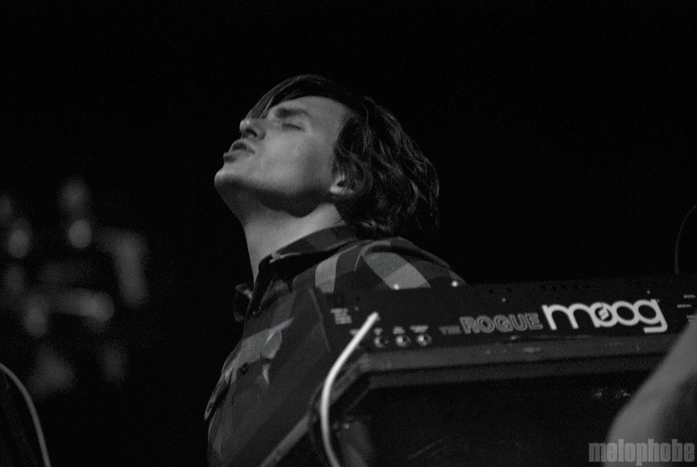
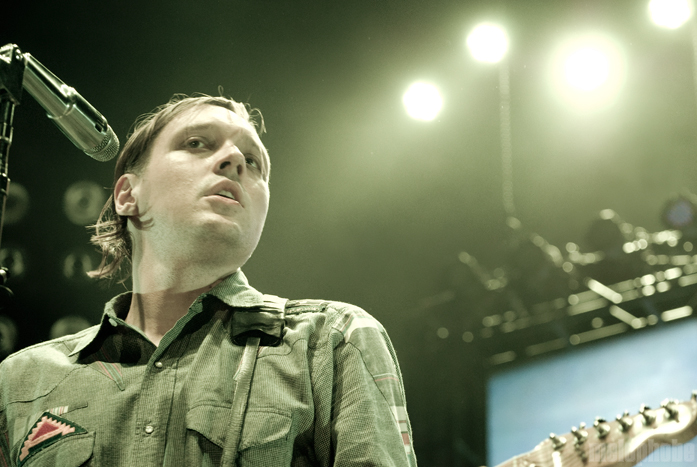
Mere moments into the first song of the performance (aptly, “Ready to Start”), all reservations were abandoned. With the houselights down, the conspicuous spaciousness of the room was readily forgotten. For their part, Arcade Fire effortlessly demonstrated exactly why they warrant such an outsized venue. The incredible stage design, with a video board designed to look like a traffic advisory sign, a light standard that looked like it belonged on the side of a freeway, and a backdrop featuring a view of the underside of highway overpasses that blight so much of the suburban landscape in Win Butler’s native Texas, simply could not have been brought to bear in a smaller arena. The band’s own presence was equally oversized. Managing to be both disarmingly relaxed and appropriately intense, Butler and company showed no sign of succumbing to the impersonal sense of distance that arenas such as this one can so easily engender. Rather, they maintained from the start, a powerful connection with the audience, by virtue both of their incredible stage presence and the deeply personal, even touching nature of their songs.
“Month of May,” equal parts a plea to, and an indictment of, youth culture, came next, performed with every bit of the intensity and passion that its subject matter requires. Then, “Neighborhood #2 (Laika)” and “No Cars Go,” two more songs guaranteed, even designed, to work a crowd of ex-damaged children (or are we damaged ex-children?) into a frenzy. The furious pace only slightly slackened with “Haiti,” a rather danceable, though still devastating, track off of Funeral, though even here a deconstructive finale to the tune refused to let the audience off the angst hook.
The next act, and you really could break the set down in such fashion, featured “Sprawl II”, the dénouement of The Suburbs, and “Crown of Love,” the wonderfully evocative centerpiece of Funeral. Both songs adopt a highly accessible, almost jangle-pop sound that juxtaposes in the former a damning indictment of conformist, commercialist society, and in the latter a world-weary reminiscence of adolescent love.
Neon Bible, Arcade Fire’s sophomore effort, was the least represented in this set, though an undisputed highlight was the majestic “Ocean of Noise,” in which the band gradually allowed themselves to fade out as Win Butler sang, “Who here among us/Still believes in choice,” inviting the crowd to joyously return the answer, “Not I!” That song would be the opening salvo of an outright barrage of poignant, masterful rock ‘n’ roll songs to close out the set: “Neighborhood #1 (Tunnels),” for which an image of falling snowflakes was projected on the backdrop of highway overpasses; “Intervention,” only the second song of the evening from Neon Bible; “We Used to Wait,” a genuine standout off of The Suburbs which boasts an outrageously creative video; and finally, an absolutely incredible 1-2 punch of “Neighborhood #3 (Power Out)” fading directly into “Rebellion (Lies),” a pair of songs that are not coupled on the album but, in this setting, were demonstrated to absolutely belong together. The crowd was in sheer ecstasy as Arcade Fire, waving and smiling, evacuated the stage. And though the band could have played for another couple hours without lacking for material, they equally might have called it good. There was, however, unfinished business to attend to: the anthemic “Wake Up” had yet to be played, and clearly had to be the final song of the evening. The only question was what else the encore had in store. As it turned out, it would be “Keep the Car Running,” a burgeoning classic (with a heavy indebtedness to the Boss) off of Neon Bible. The tune’s creative inspiration was slyly acknowledged in the projection on the backdrop, a running video of an open road a la the cover of Nebraska, the brooding Springsteen album from which the song almost seems to have been separated at birth.
Finally, as expected, came “Wake Up,” hands down the highlight of the night, and perhaps the single most powerful performance I’ve seen this year. With hands raised in the air, the audience joined the band for every word. The scene had an unquestionably religious character to it. It was, in fact, an affirmation. “Children, wake up,” Butler sings. “Hold your mistake up.” They are simple words that strike to heart of anyone who can bring themselves to remember what it was to be a child, and it’s not beyond credulity to suggest that, for many in the audience, Funeral stands a connection to childhood, lays out what is so difficult to articulate about the mixed emotions and complex problems that people inevitably carry into adulthood. “Children don’t grow up,” Butler continues. “Our bodies get bigger but our hearts get torn up.” And here, like they are testifying to the greatest truth any has ever known, the audience sings along, “We’re just a million little gods causing rain storms/Turning every good thing to rust – I guess we’ll just have to adjust!” Epic may not be the only word to describe it, but it will do. It is, for once, a perfectly apt utilization of that word, and it will easily suffice to characterize the entire performance. If the case hadn’t been made already, Arcade Fire staked their claim to the title of Voice of a Generation. Listening to their music, and to an even greater degree seeing them in concert, is an exercise in collective experience. A bond exists among the individuals in the audience, and between audience and band, because the music is the stuff of everyone. There is no perfectly innocent childhood, no perfectly contented adulthood, and yet so much beauty in both that it could never behoove anyone to neglect either. It is precisely this insight that Arcade Fire explores, and to stand together with thousands of other people as they traverse the same psychological territory is a profound reminder of how much, on a certain level, we all have in common with one another. If Arcade Fire’s music has now reached so many people that we must stand together in a rather bland and cavernous arena to experience that – well, I guess we’ll just have to adjust.