I am of the opinion that live music takes precedence over caged animals as voyeuristic entertainment any day, which is why I have now gone to the Oregon Zoo to see live music once, and to see live animals zero times. Call me anthropocentric, but I think our animal friends would agree with me.
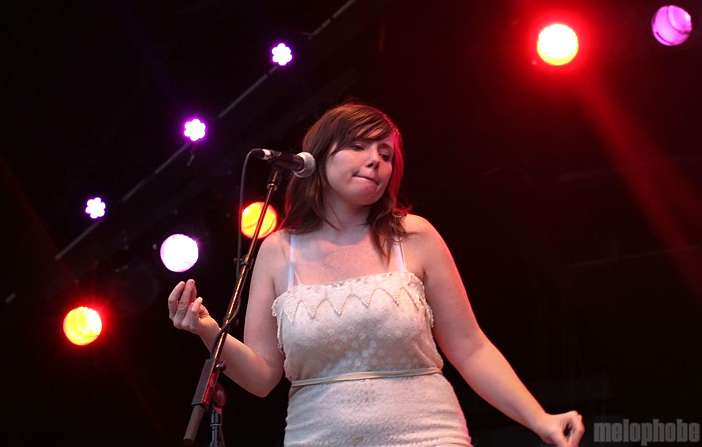
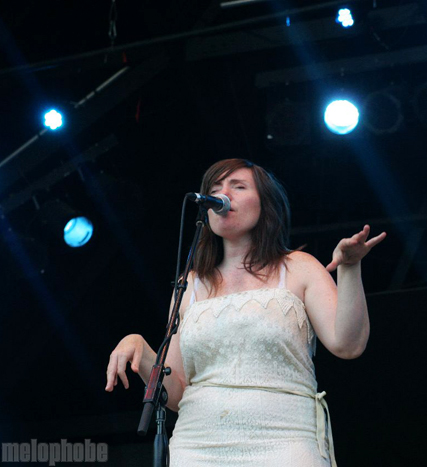
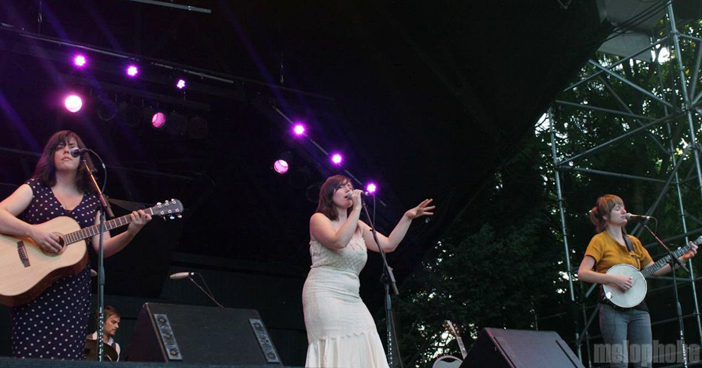
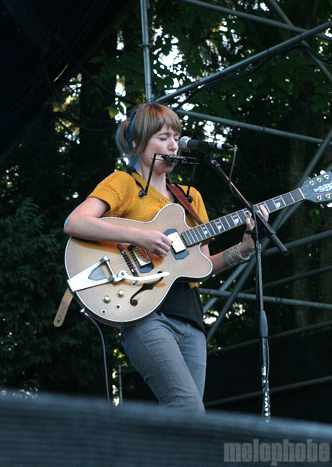
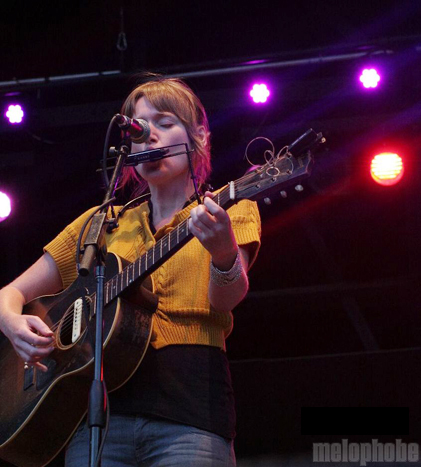
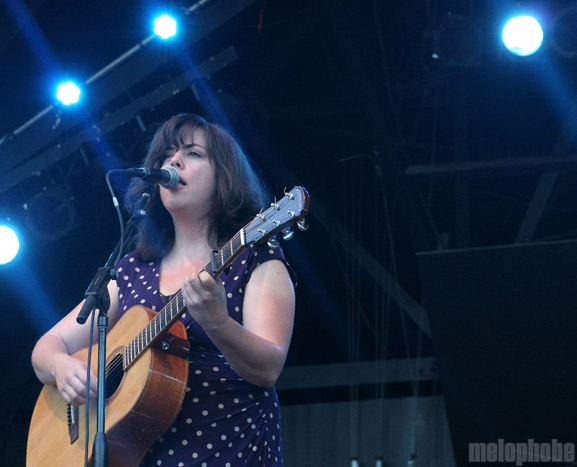
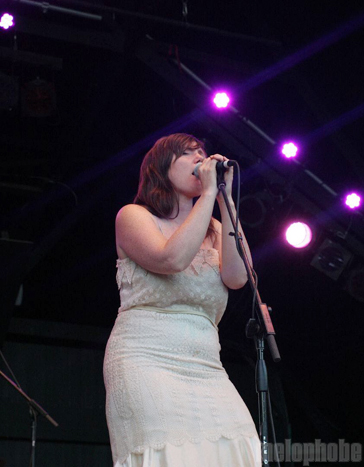
The birds, whose twitters were picked up by the PA system and projected out to the audience, were delighted to be fed treats of the musical variety for a change. The Be Good Tanyas were first to the feeder and even commented on the bustling fowl being “a good omen.” Returning on tour after a hiatus, which yielded Frazey Ford’s entrance into motherhood and a solo album, the band (Samantha Parton, Frazey Ford, and Trish Klein) understandably had their eyes peeled for signs of good fortune. They were in good company, too, as parents and small children populated the place like, well... a zoo.
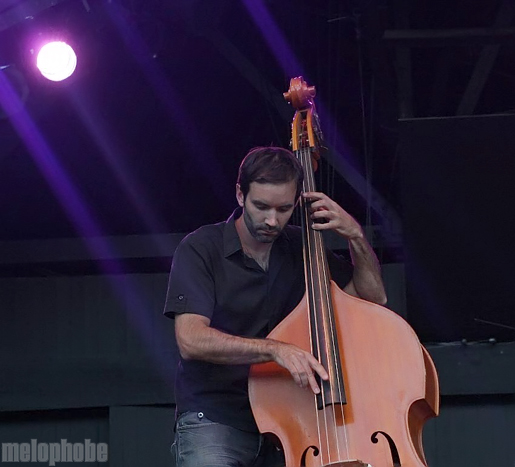
Fans sang, grooved, and tapped along to “The Littlest Birds,” (also recorded by Jolie Holland, an original Be Good Tanya, on her album, Catalpa) the banjo-tastic “Ootischenia,” and Frazey’s gloriously soulful cover of “Here Comes the Sun.” The rustic sounds of the banjo, acoustic guitar, stand-up bass, harmonica, and mandolin made much sense outdoors where the girls’ hair blew in the breeze, the tree leaves quivered and cast shadows, and the twilight hour sun shifted the light, and the mood, every minute. A surge of excitement stirred the crowd during the last song, “For the Turnstiles,” and the band returned for an unplanned encore, “Light Enough to Travel,” during which Frazey’s voice soared and pirouetted as intricately as ever. They thanked the elephants for tolerating their folk music and graciously waved goodbye to the audience which, I discovered, beamed a collective and unmistakable “I like you” face back at them.
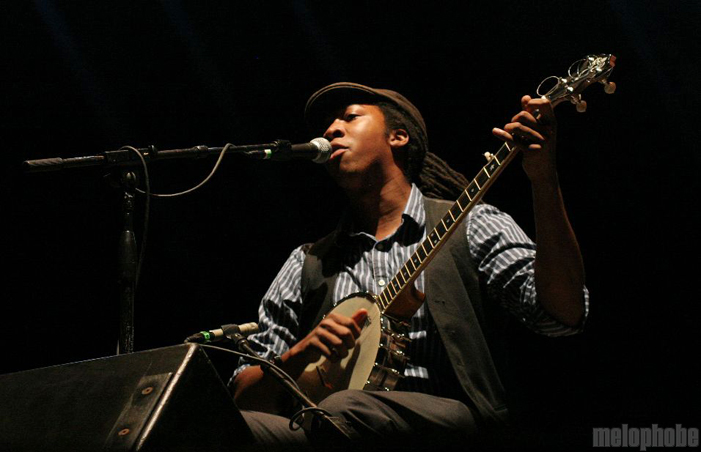
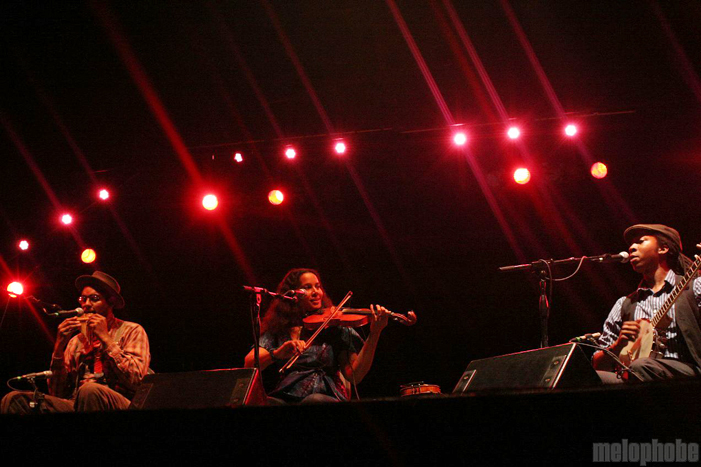
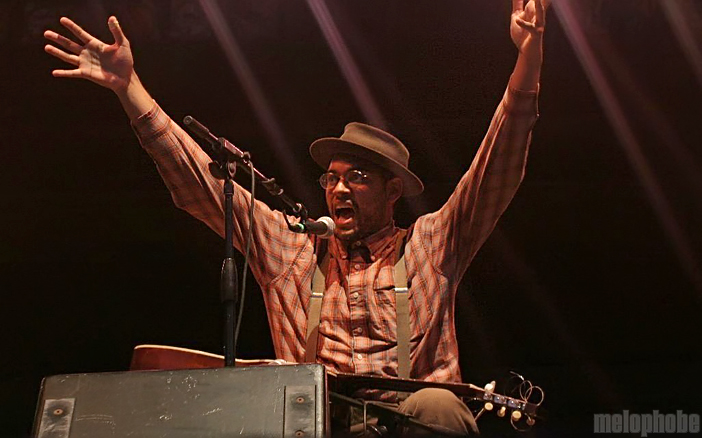
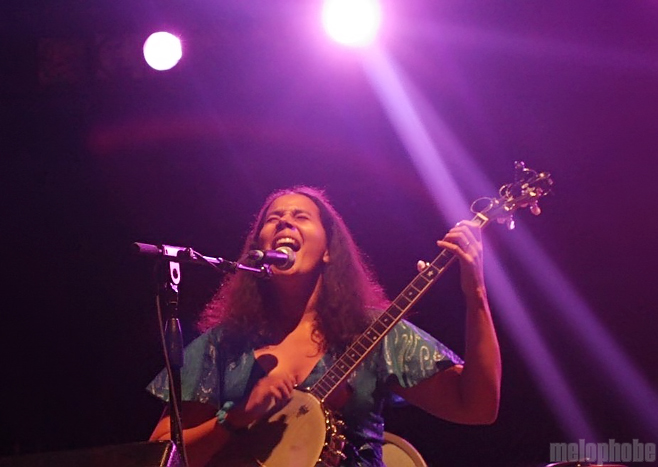
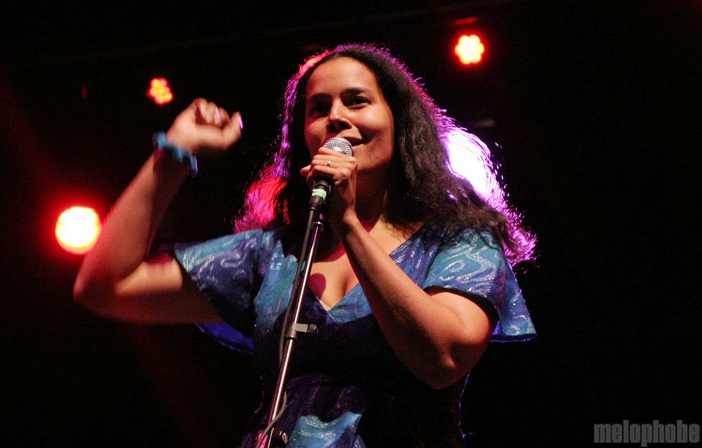
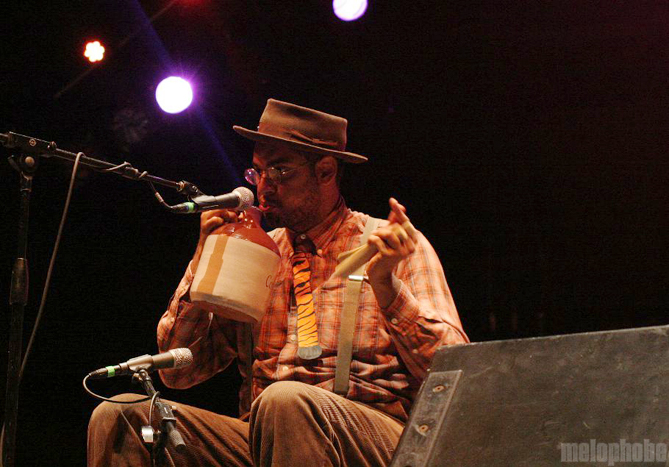
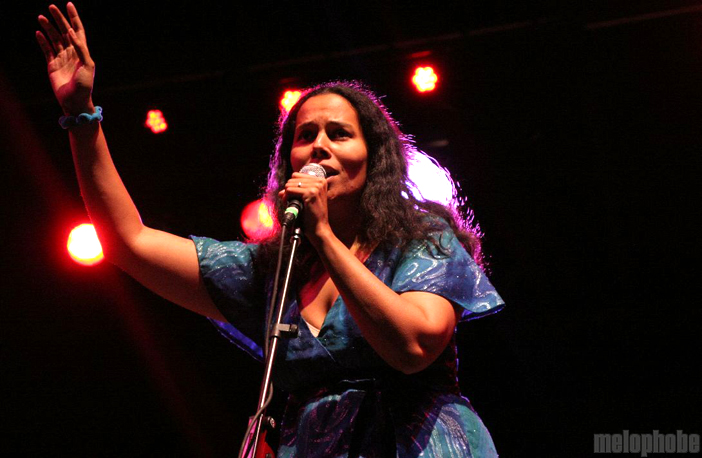
Before the Carolina Chocolate Drops even plucked a string, they were receiving gifts and praise. A woman offered Don Flemons a tiger-striped tie made out of paper which he playfully pinned to his backside for a brief photo op then gratefully donned it for the remainder of the show. Rhiannon Giddons stooped down during sound check to accept a rose from an older fan who shook her hand and, looking decisively into her eyes, thanked her for her music. These intense feelings of gratitude bubble up when musicians rekindle bygone eras and thus tap into a listener’s dear sense of nostalgia. For example, The Drops’ first song was written by friend and mentor Joe Thompson; one of the last active African-American fiddlers who played square dances and parties while growing up in North Carolina during the 1920’s. The Carolina Chocolate Drops carry on a lineage of Black String Bands with a tradition that “traces its roots to musicians from Africa who came to the Americas in the holds of slave ships (carolinachocolatedrops.com).”
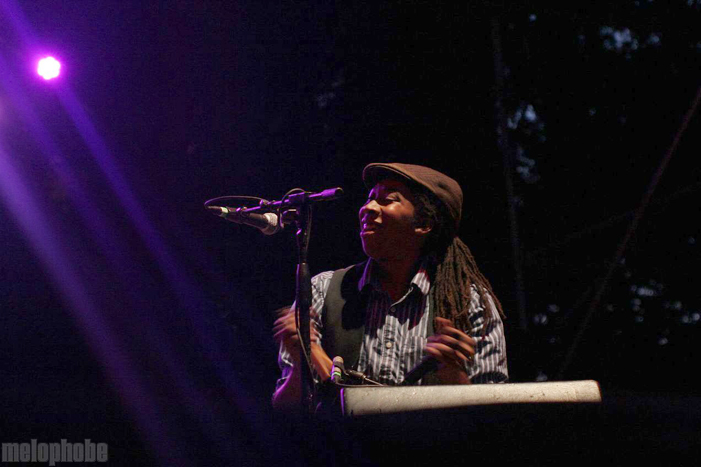
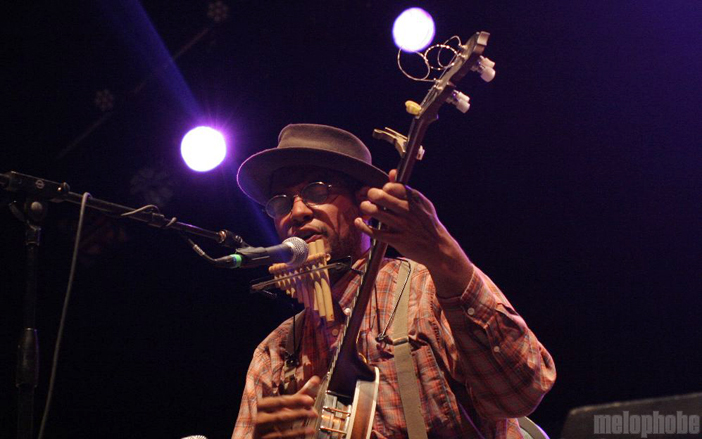
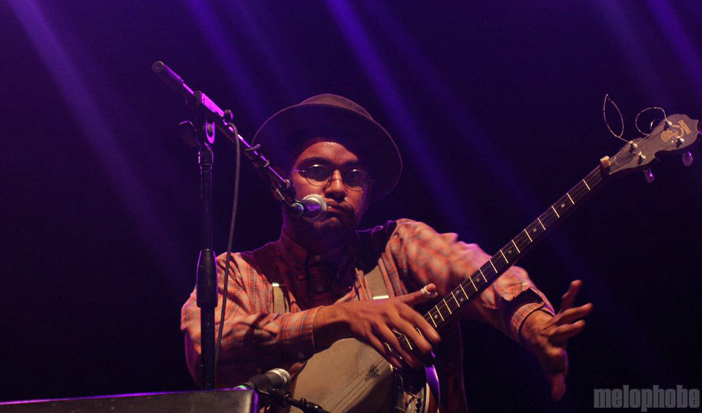
They followed up with “Don’t Get Trouble in Your Mind,” a jumpy number from their album Genuine Negro Jig that got the moms and kids dancing like monkeys. Next, two of the members joined forces for some “mouth music,” which involved Adam Matta beatboxing and Rhiannon be-bop-diddly-eye-ing for nearly five minutes. It was just as captivating to watch them play instrumentally stripped as it was to see them accompanied by the battery of archaic instruments they normally bring to the stage. Don pulled out a pan flute and wooden hand clappers for a few songs, but the clapper “battle” between him and Hubby Jenkins was the highlight. Set up like a break dance battle, the boys worked charades into their playing; Don would clickity-clack a little ditty, to which Hubby responded with a clickity-clack-clack of his own plus a mimed jump rope or a pocket-change-search, then back to Don who would click-click-click-clackity while out-miming Hubby, and so on.
Rhiannon imparted age-old lessons with her lady-power songs about being “No man’s mama now (no ‘male’ box, no mans land, etc.),” how “It’s a good thing” to have more than one lover, but if your man cheats (i.e. gets "buck wild"), you are entitled to his money (i.e. "Hit 'em up style"). The stretch from bare-bones jug band music to hip-hop beatboxing and big soulful rhythm and blues vocals, whilst being sure never to smother tradition with technology or pomp, marked the Carolina Chocolate Drops as both sophisticated, innovative, and good to the last drop.