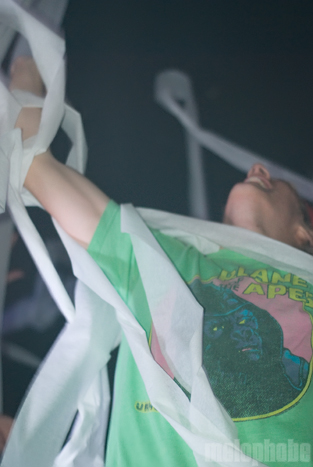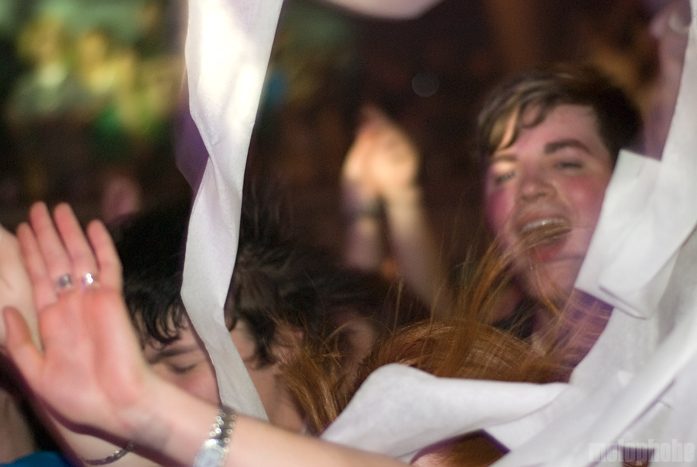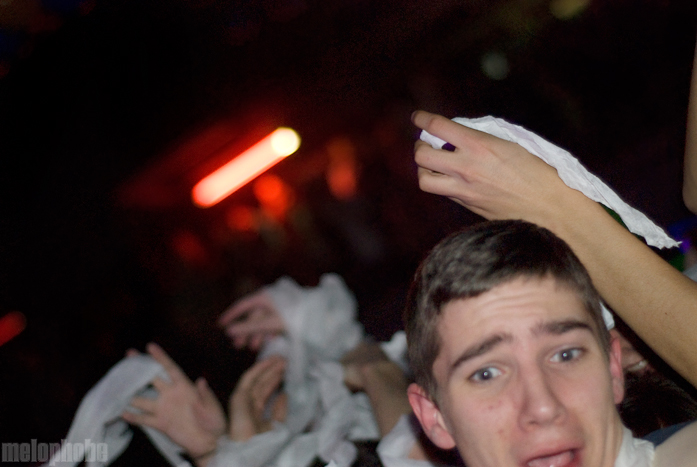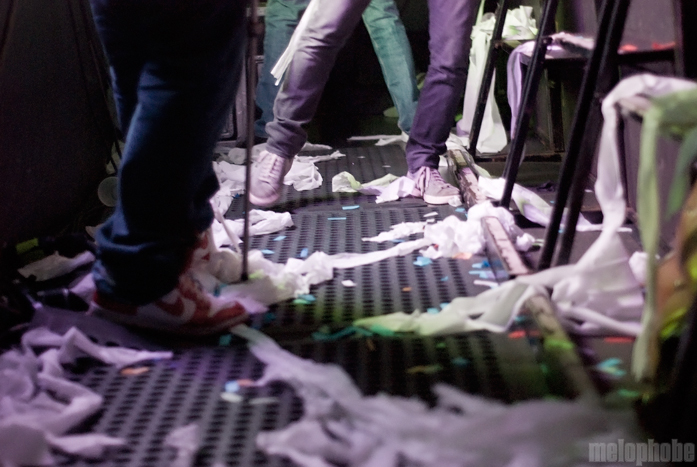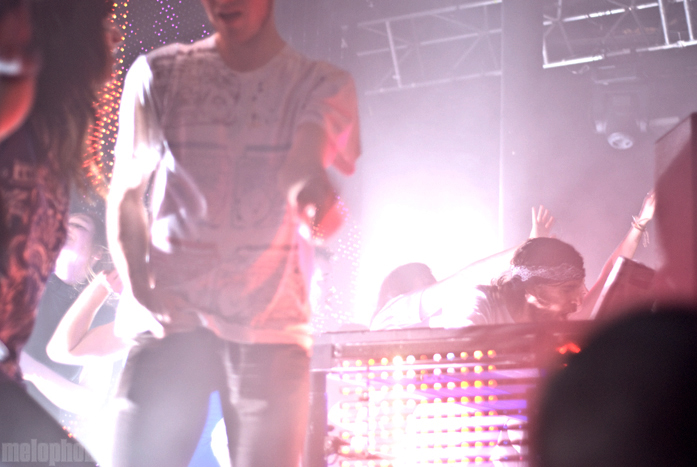
Let’s begin with an inventory of the substances plastered to my body as I left the Roseland Theater: confetti, broken balloon parts, toilet paper, my sweat, and many other people’s sweat. There’s also a mystery liquid flung from the balcony, which I sincerely hope was poured from a cup and did not spend time in anyone's mouth before landing in my hair. To provide a similar account of the songs played by Girl Talk would be nearly impossible, as his popularity stems from the complex combinations of popular songs from the past three decades, and no segment lasts more than a minute or two. Suffice it to say, he played a wide variety of material, primarily from his two most recent albums.
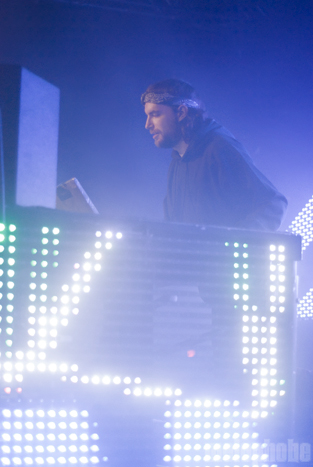
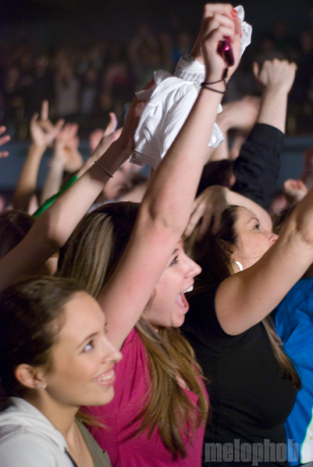
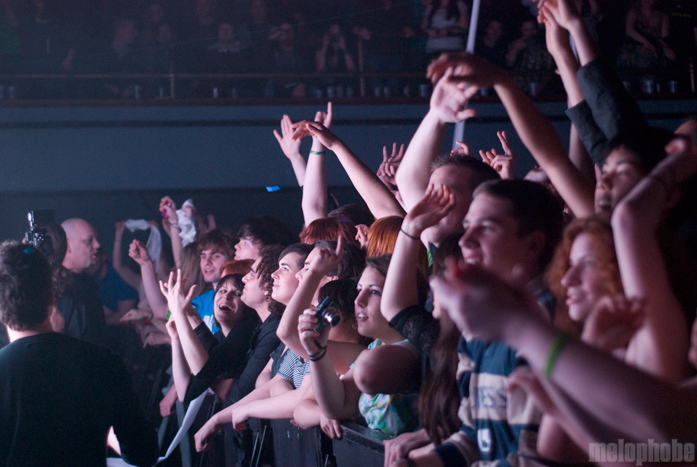
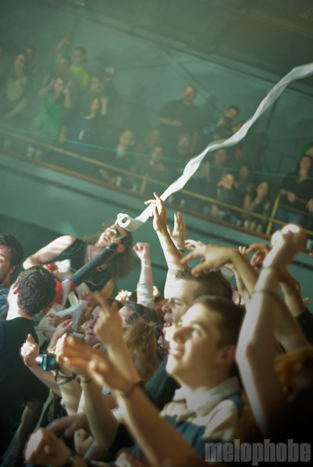
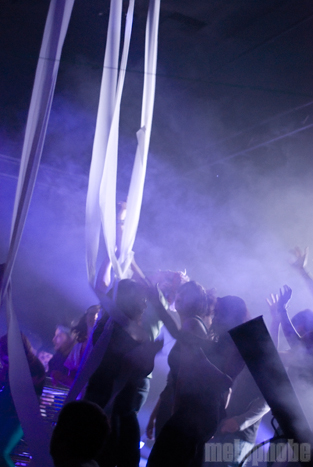
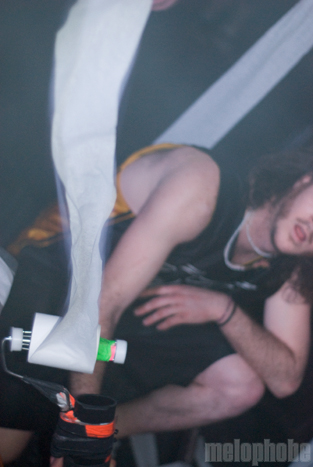
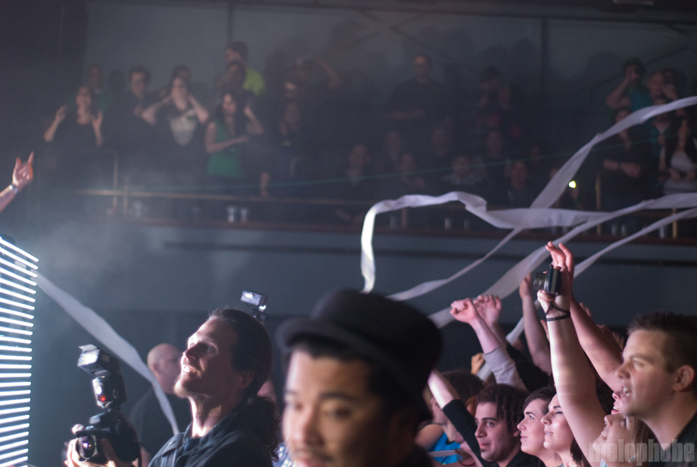
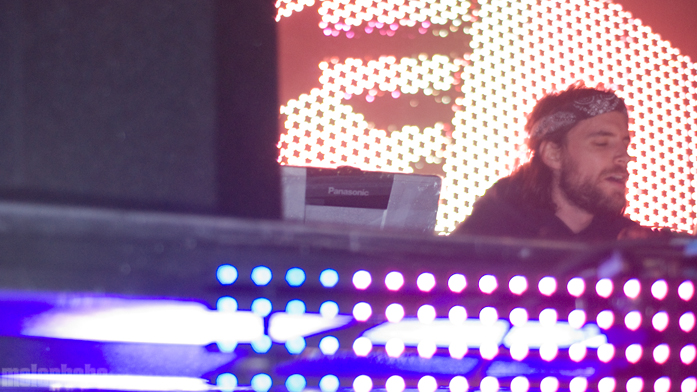
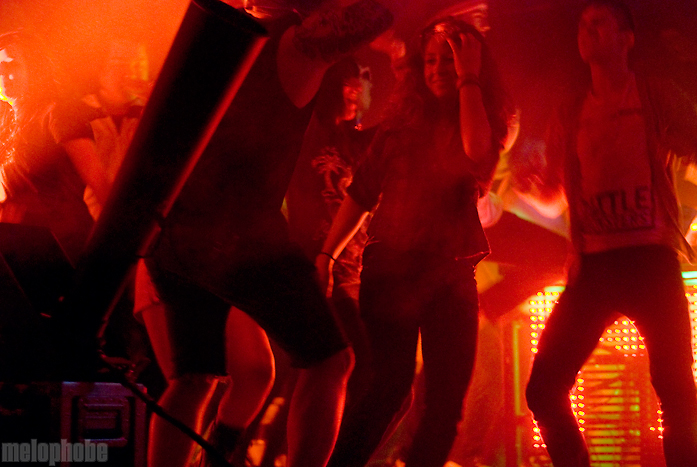
Backlit by an LED display that resembles a giant Lite Brite, the set kicks off with the familiar mash-up of Black Sabbath's "War Pigs" and Ludacris' "Move, Bitch." Dancing erupts immediately, and won’t stop until the lights come on. The fact that it is St. Patrick's Day adds to the crowd’s enthusiasm, with green t-shirts and metallic Mardi Gras beads making a strong showing. People are surprisingly courteous given the notoriously rowdy holiday, and respect one another's space as much as possible given the circumstances. No fights break out, and not a single unhappy expression appears on anyone's face. Tonight is about dancing your cares away. Without interruption, Girl Talk plays track after track, seldom deviating from the mixes and mash-ups for which he is famous. The LED displays flow from the backdrop onto panels affixed to the four-foot-high DJ stand. A privileged group of dancers – one clad in a panda suit – writhes and shakes with one another onstage, and provides encouragement for the crowd below. Men on either side use contraptions made of paint rollers and an air supply to fan rolls of toilet paper into the air above our heads. Strobe lights flash, confetti cannons explode with strips of colorful tissue paper, and giant inflated tubes are flung at us to be batted around by eager hands.
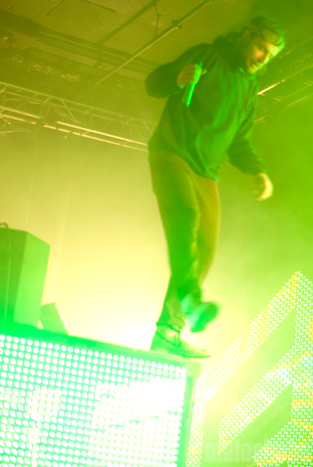
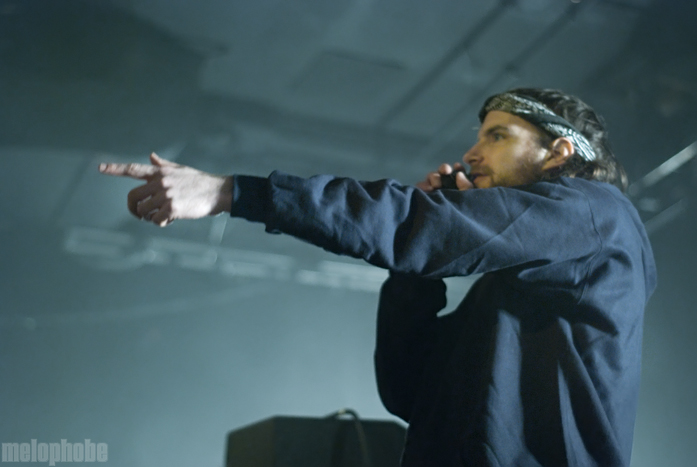
As the dance party grows, the man of the hour climbs, shirtless, atop his lofted platform to greet his disciples below. The room is thick with perspiration, which wafts high above our heads in a salty fog. Words and colors flash across the LED display, and audience members sing along with the innumerable song snippets that range from Rihanna's "Rude Boy" to the Smashing Pumpkins’ iconic "Today." Girl Talk's interaction with the audience is minimal. He has much work to do, and it’s not his voice we came to hear. Midway through the set, he raises the tempo, inciting more movement from the gyrating masses. Audience members are transfixed, lost in their individual experiences. Hands in the air, we shimmy and shake through the more energetic segment of his set. Above our heads, hundreds of balloons hang in a large black net, waiting to be released. When the time comes, the red and yellow orbs float down onto the crowd, and the sound of exploding latex fills the air. Girl Talk ends this segment of the performance and the lights go down. Perched on the DJ stand, he asks if we can keep going. He gets his answer in the screams and cheers emanating from the bouncing crowd.
Girl Talk plays for maybe fifteen minutes more, pausing occasionally to check in with us and ensure that we wish to keep dancing. More than anything in the world, we do. After several brief encores, he dedicates the final segment to Nate Dogg, who passed away unexpectedly this week and is a frequent feature in Girl Talk's mash-ups. The performance concludes with John Lennon's "Imagine," and the revelers are herded out of the venue, exhausted and delighted by what has just occurred.
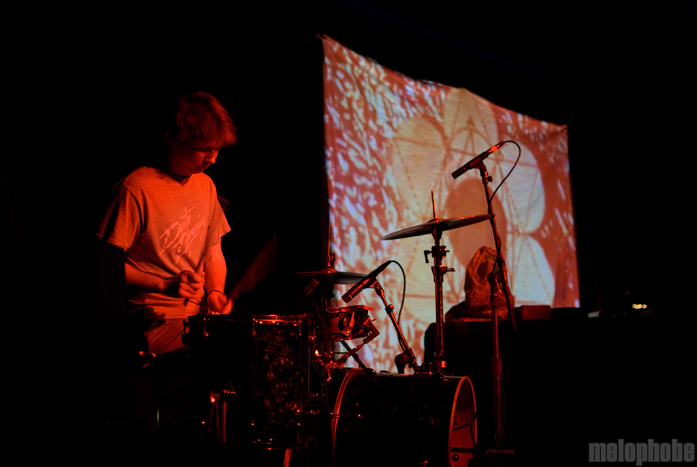
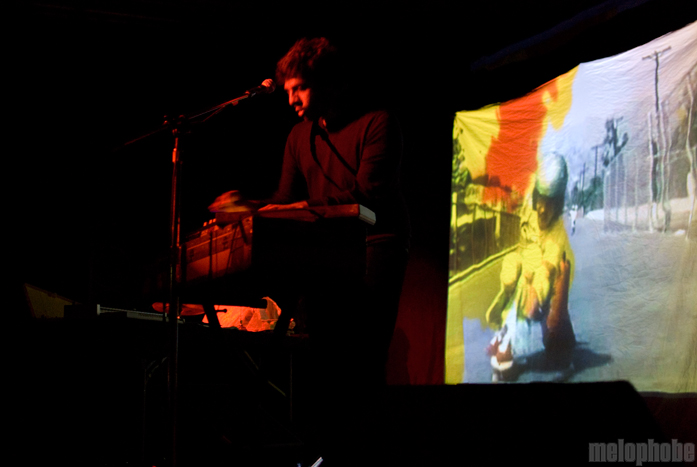
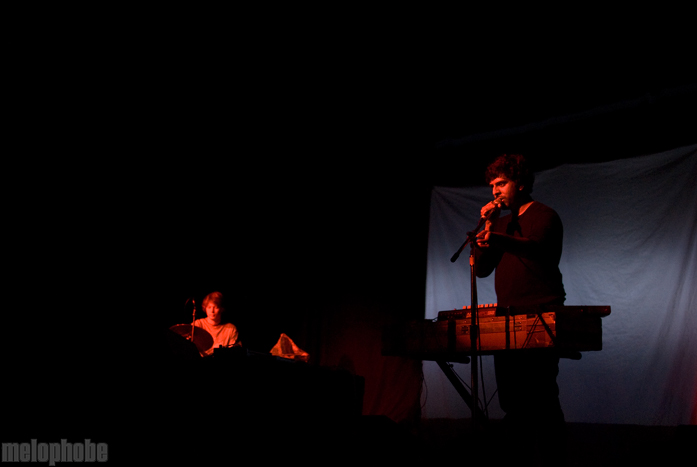
Earlier in the evening, Junk Culture takes the stage. They begin with a cover of a song that is quite familiar to me, yet is filed so deep in the back of my mind that I can’t place it. Finally, the realization hits: it’s the theme song from David the Gnome. This bit of nostalgia is followed by an intentionally off-key rendition of a 1970s Coca-Cola jingle before the band begins playing their own material. Junk Culture consists of a drummer and a keyboardist/vocalist performing in front of a large projector screen. Because their songs are primarily instrumental, our attention is drawn instead to the videos that appear behind the band. These videos include skateboard tricks and pool parties, set to thick drumbeats and growling vocals with few changes and hardly any discernable lyrics. Midway through their performance, the two members completely cease playing their instruments, and a new video appears behind them. It's a scene from the cult film The Room, complete with full dialogue. The scene plays for several minutes, and audience members familiar with the film begin yelling out lines. "You’re tearing me apart, Lisa!" rings through the crowd, and laughter ensues. The band resumes playing; two bland songs remain in their set. Were it not for the video backdrop, Junk Culture would be unremarkable. With it, though, they are an entertaining curiosity.
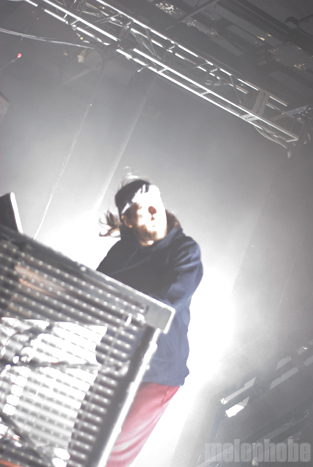
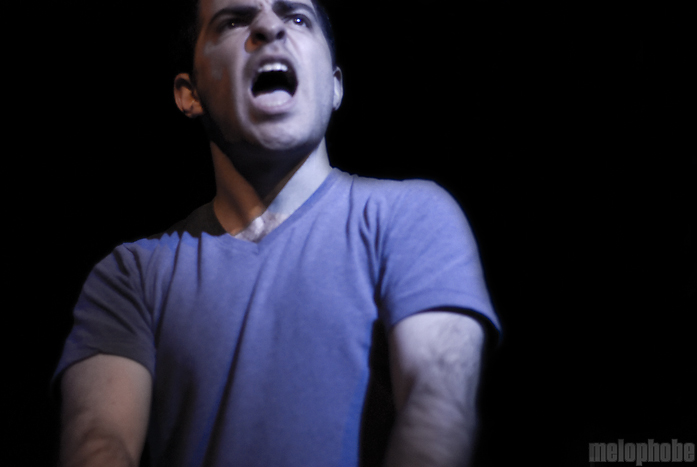
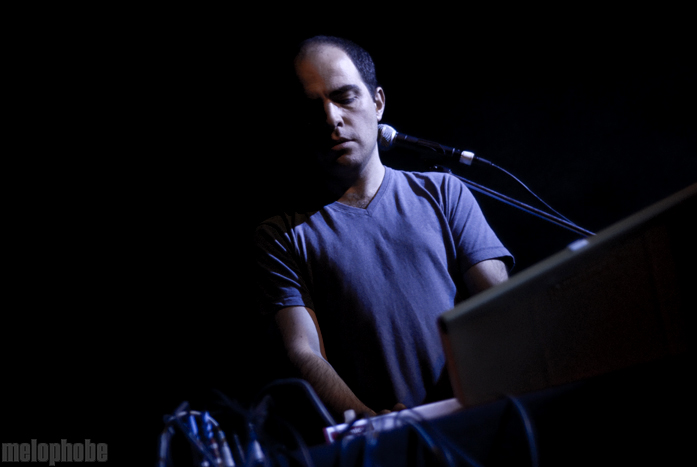
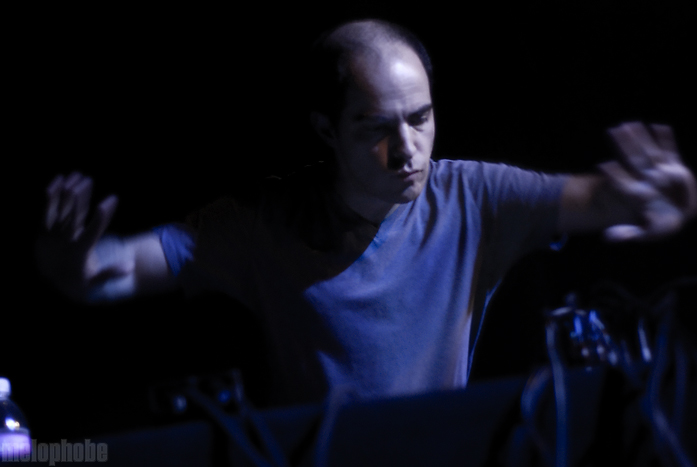
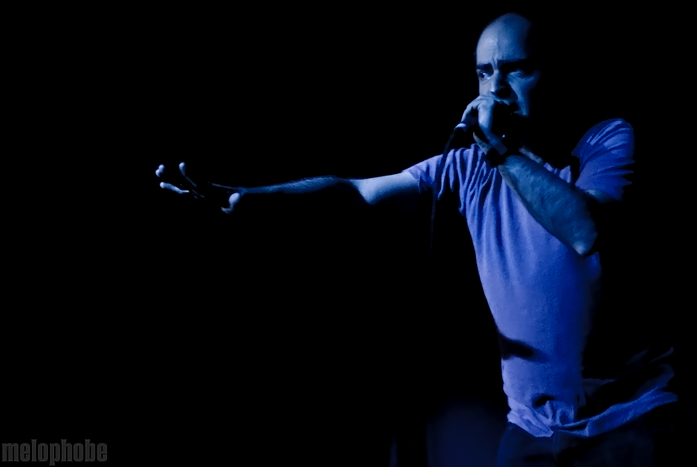
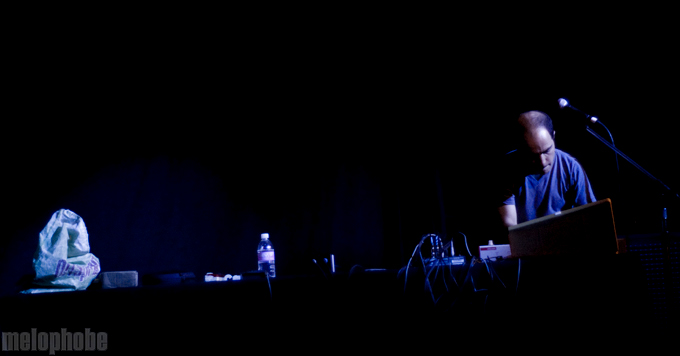
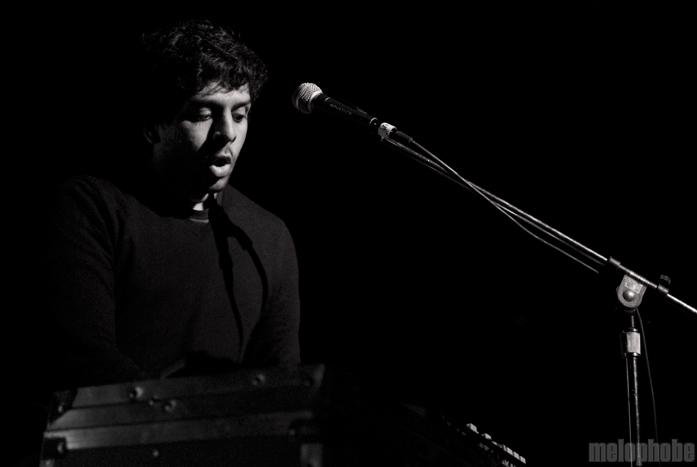
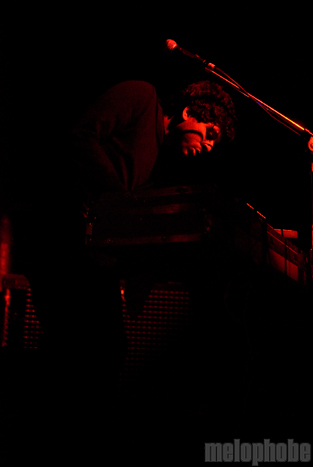
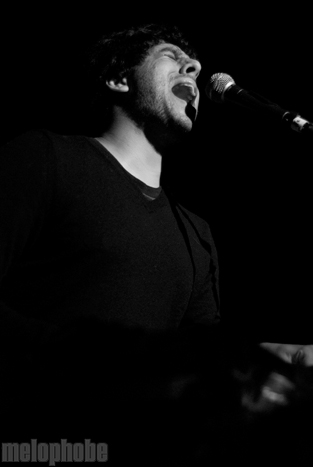
Max Tundra is up next. He bounds onto the stage and immediately begins convulsing while pounding electronic sounds out of his keyboard. He sings in an exaggerated falsetto voice reminiscent of Har Mar Superstar, and raps for a bit before extracting a tiny melodica from beneath the table. Max Tundra is incredibly animated, and draws most of the crowd forward like a postmodern pied piper. His rapid movements and multiple strange instruments make watching DJing much more fun. A new instrument appears. This time it’s a larger melodica with a mouthpiece attached by a length of tubing. He draws notes out of it as sounds continue to loop through the main keyboard. Mr. Tundra returns the instrument to its resting place and raises his arms like a preacher at a revival. He lip syncs along with the samples emanating from his machinery, and moves to an empty area of the stage to perform some stunted breakdancing moves. Back at the microphone, he begins singing Beyonce's overplayed "Single Ladies" as a call-and-response number. The audience obliges, and the ladies put their hands up. Max Tundra concludes his set with “So Long, Farewell” from The Sound of Music, and waves goodbye.