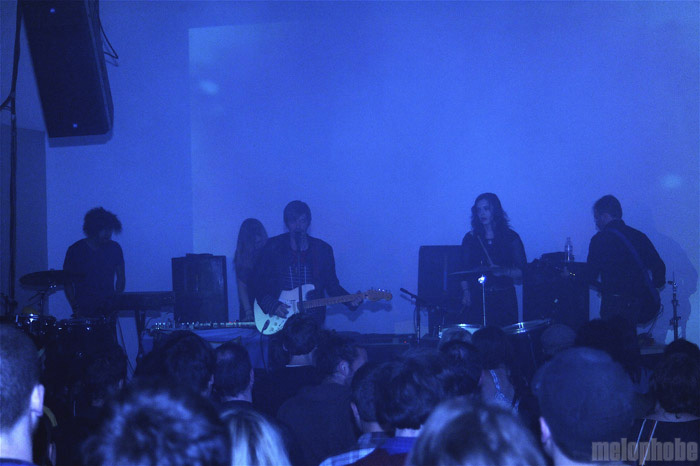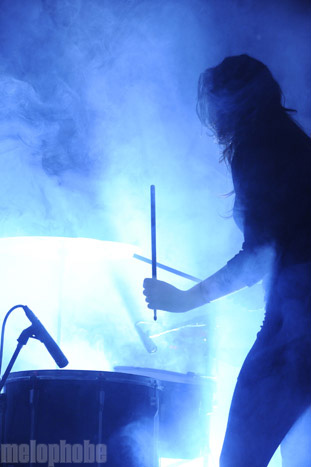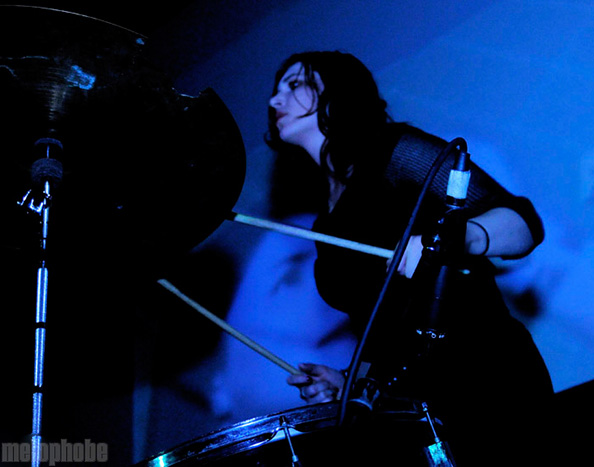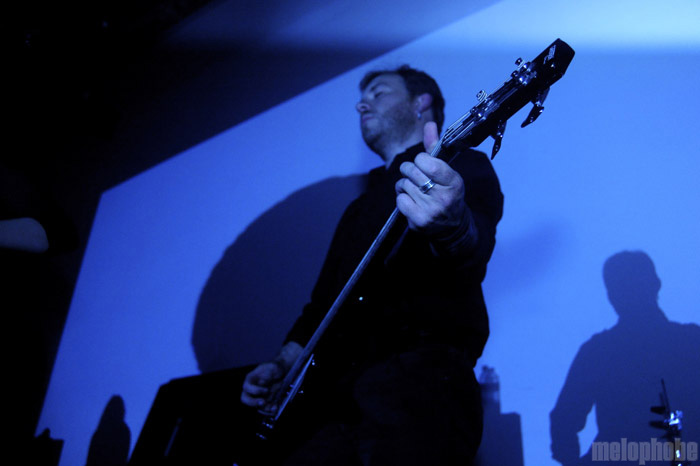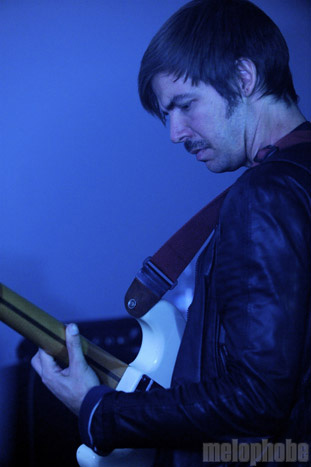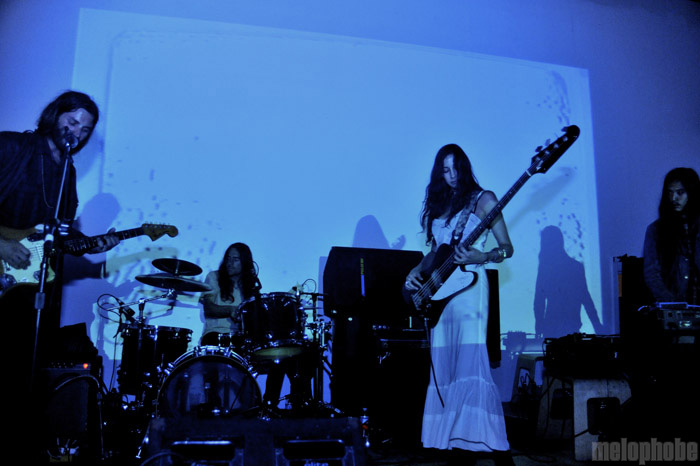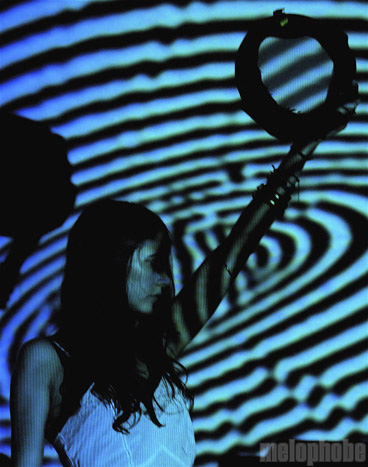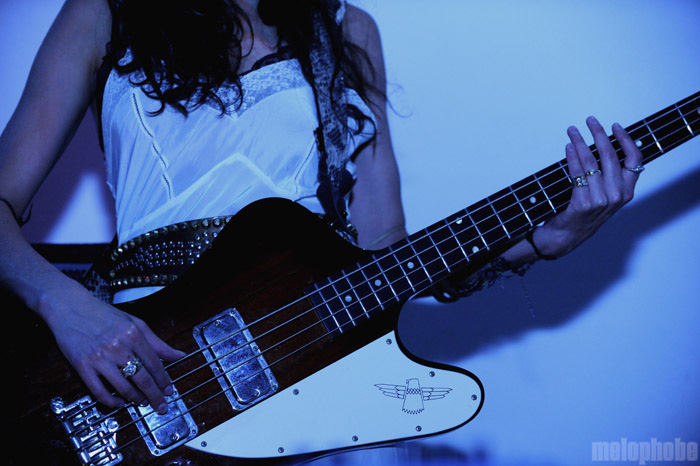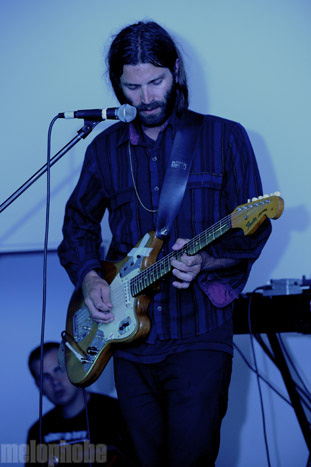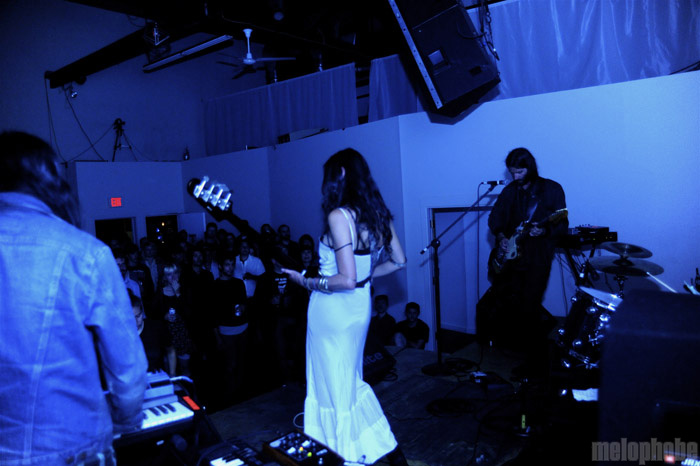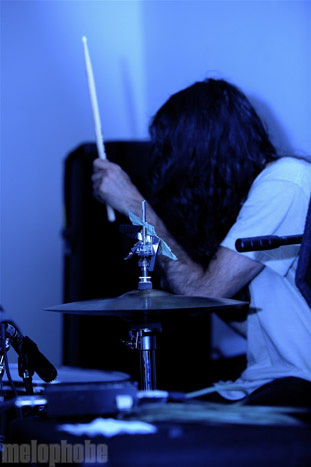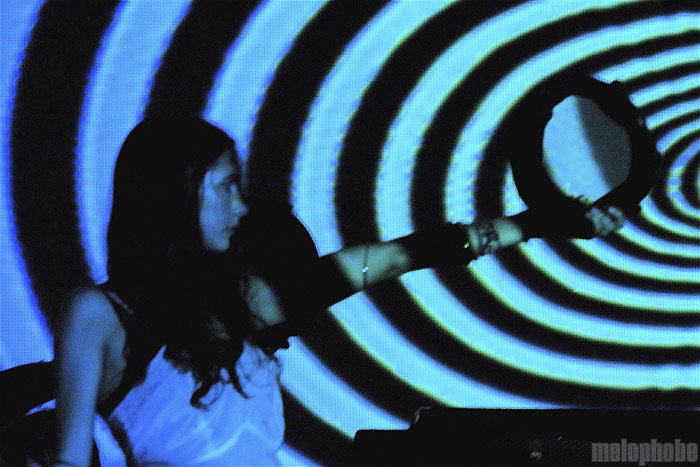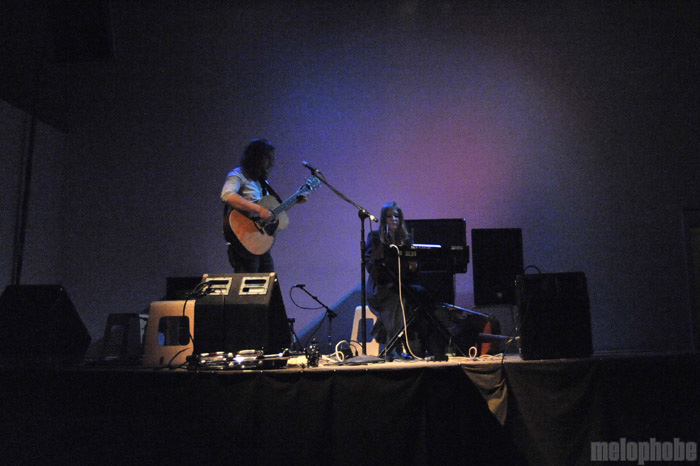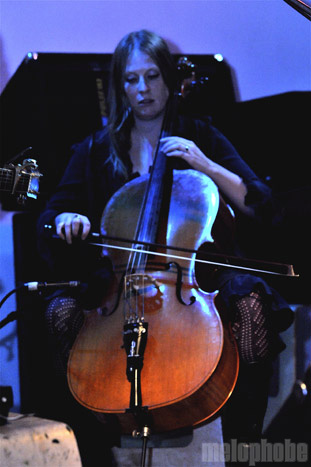
Music theorist Jonathan Pieslak wrote that during the war in Iraq, American soldiers used punk and metal “to induce irritation and frustration among detainees,” a phenomenon that I found myself pondering after returning from the Indian Jewelry and Psychic Ills show at Holocene. The Psychic Ills seemed to fancy themselves as a sort of tribal, hypnotherapy troupe, albeit one specialized in sound-tracking doomy acid trips. Their clanging guitars and bright-white cymbals were less garbage-truck-in-the-morning and more hippy-bus-at-the-end-of-the-continent, but all things considered, the audience seemed to dig it—at least they appeared to.
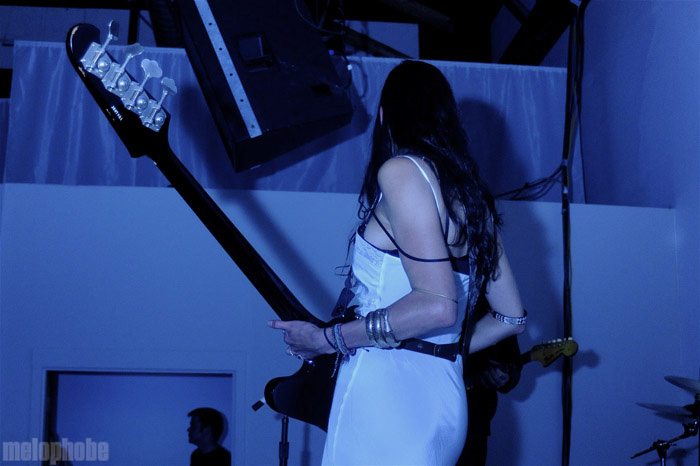
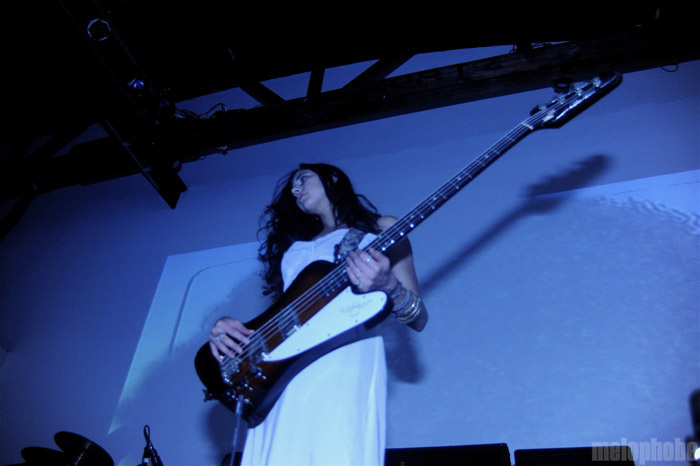
Some dudes with bad posture (but par for the course) slouched against the railing along the South wall. Their hair was attractively tousled, their hands dangled cheap booze, and their eyes couldn’t steer clear of the Ills’ bassist Elizabeth Hart, who was beautiful and—huh? Bored? Her eyes orbited the room, touched down on a few in the audience, and after she gave a rueful grin, landed back on the neck of her bass. Was she laughing at the absurdity? Was she just super high? Am I acting paranoid right now?
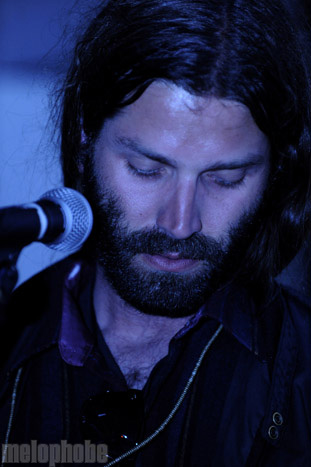
Part of the frustration of seeing a disaffected noise band is that you might leave the show feeling one of two ways: either really cool for “getting” such difficult music, or like a tool for paying for such a bitchin’ headache. In other words, there’s a lot more to this scene than just the tunes. The instruments, the demeanors, the clothes, the history, the length of the hair . . . let’s just say a fully qualified member has a bitter relationship with the conventional, at least two years of unchecked hair growth, a thorough appreciation of psychedelics and optical illusions, and an entrance fee of ten bucks.
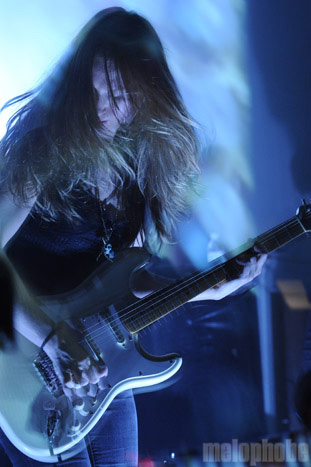
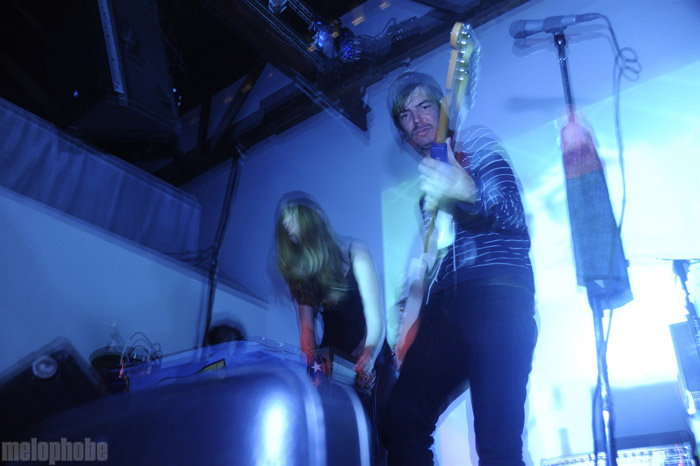
After the Psychic Ills stopped droning—some people were sleeping on the floor—I wasn’t quite braced for Indian Jewelry’s multi-leveled assault. The strobe light behind them must have been at least a gigawatt because in a flash I was reeling from blindness (for a second I even wondered whether I was having a seizure) and had to close my eyes to regain my senses. Blinded, their sound seemed more intense, more bizarre, like metal bending at a funeral. Once they eased up on the strobe, I spotted Erika Thrasher, the keyboardist/singer who wore blue jeans and seemed to have recently brushed her hair. It was really shiny. You’d have had to see her in context; amidst the deafening squawk she was a refreshingly strange sight.
After a while, I started wishing for the groovier sounds of Sunburned Hand of the Man, or at least something we could move to, but checked myself—Indian Jewelry purposefully made that noise. In other words, I was probably supposed to feel like a detainee.