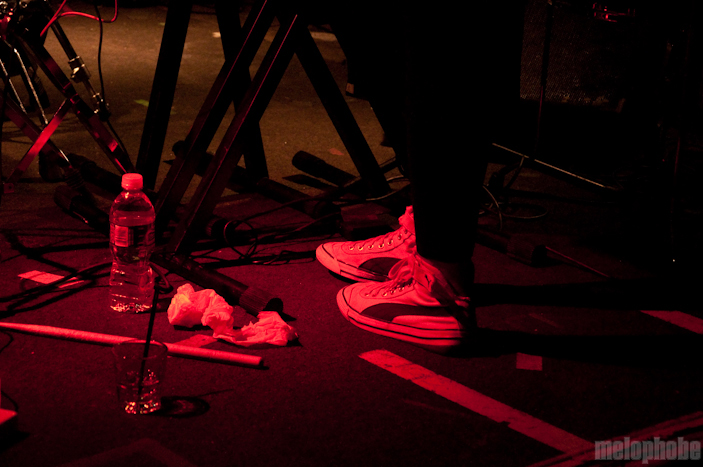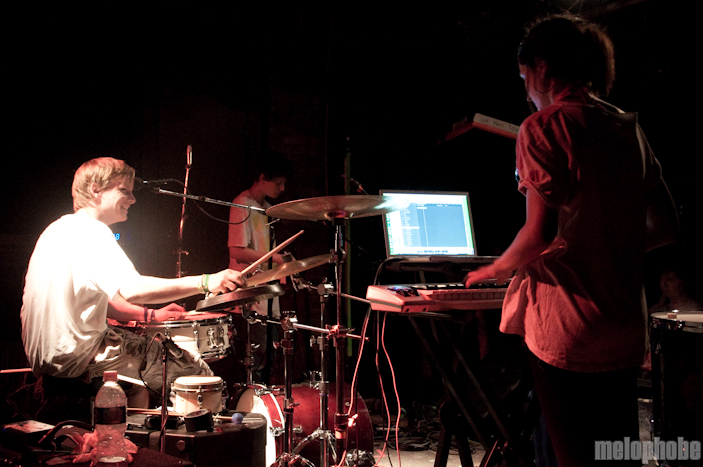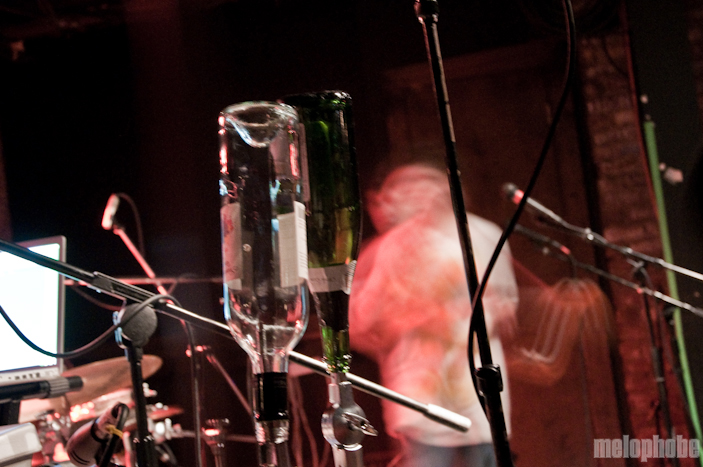
Picture three kids wearing baggy, homemade band t-shirts “playing band” in the attic, using pots, pans, bottles, and kiddie guitars as instruments. They seem to have little sense of traditional song structure and don’t worry too much about on-stage antics. Instead, the guitar player simply revels in the fact that when she strums the chords of her plastic-stringed guitar, it makes a noise. The drummer bangs wildly on his pot-lid drum set. A friend fiddles with a keyboard and laptop, pausing occasionally to hit her drumsticks against wine bottles.
Now picture those three kids creating fantastic music. Voila: Micachu and the Shapes.
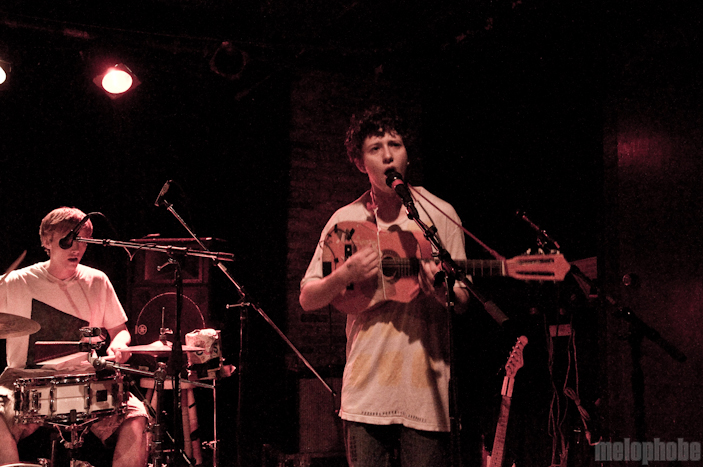
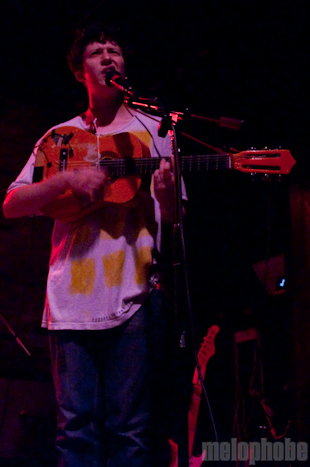
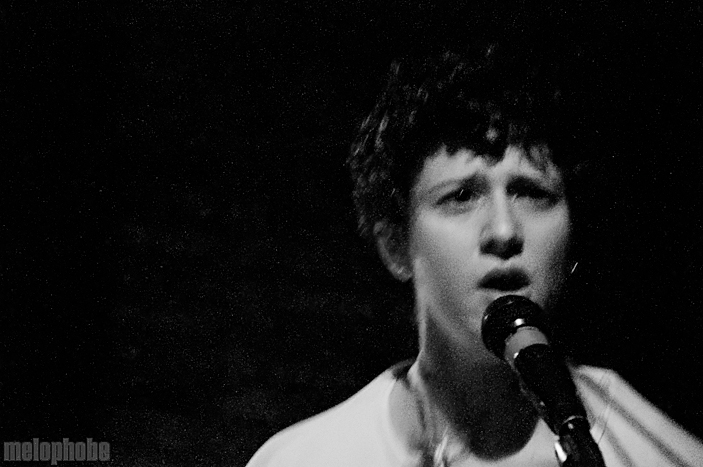
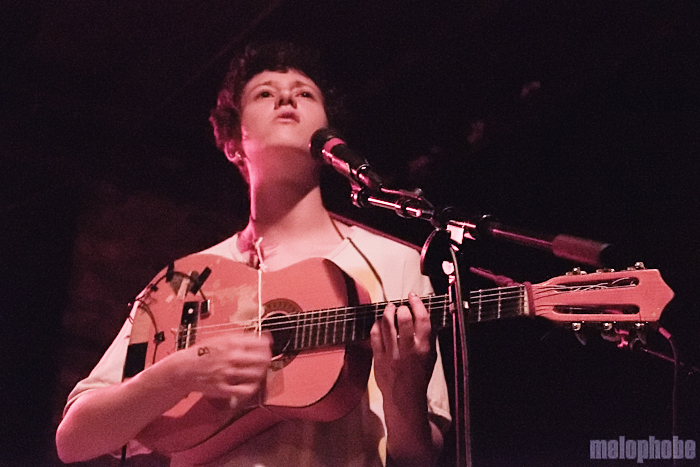
Despite youthful appearances, there is nothing childish about the music that Micachu and the Shapes produces. On Thursday night at Great Scott, three young Brits reinforced the book/cover mantra by dazzling at every turn. Their music is a coarse distillation of sound, harsh discord and rhythmic chaos resolving to crystal clear bells and beautiful melodies. It’s not true pop, as lead singer Mica Levy described it; it’s pop’s weird cousin who likes to set things on fire. And impressively, they have figured out how to translate it to the stage.
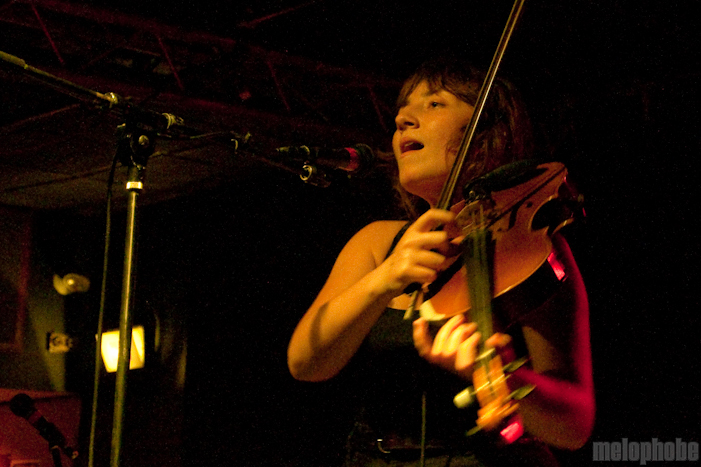
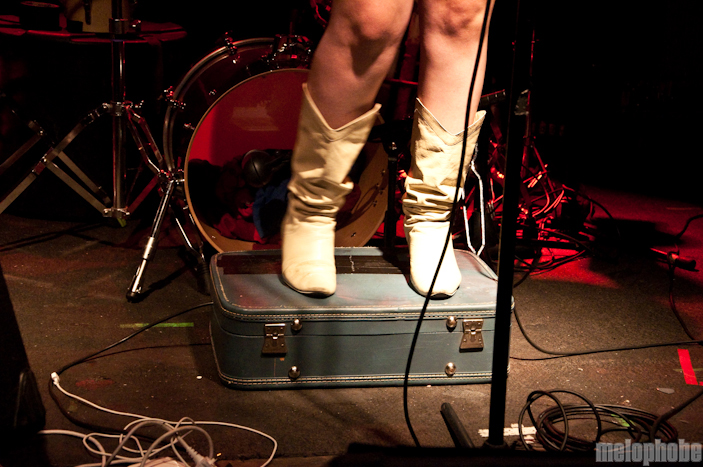
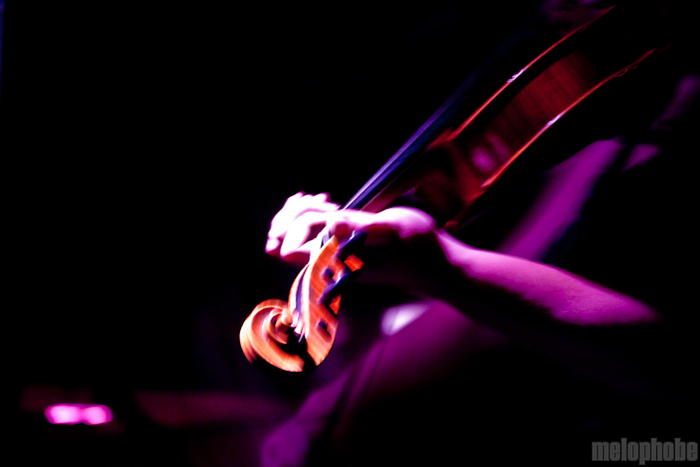
The show opened with a beautiful set from violist Anni Rossi, who continues to woo me with her unique style and gracious yet commanding stage presence. Stomping her cowboy boots atop a suitcase filled with coffee cans and a microphone, Rossi beat the bassline for a one-woman-band like none you’ve ever seen. She strummed and bowed for a silent audience—quiet in the face of classically influenced musicianship—and was impressive despite a viola that “has been acting moody” and didn’t like staying in-tune. It was the calm before the storm.
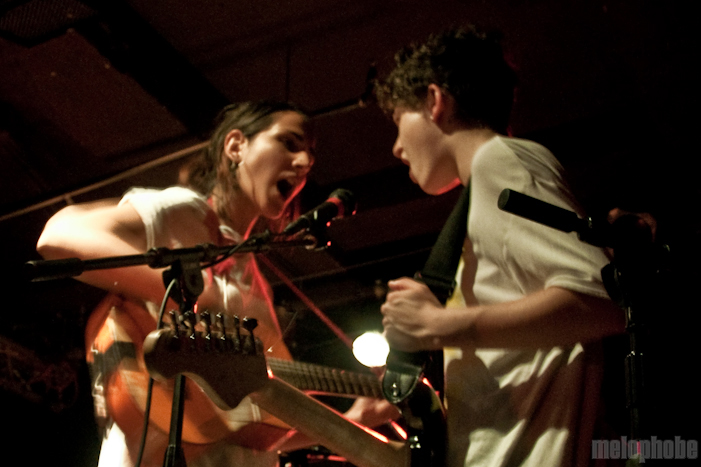
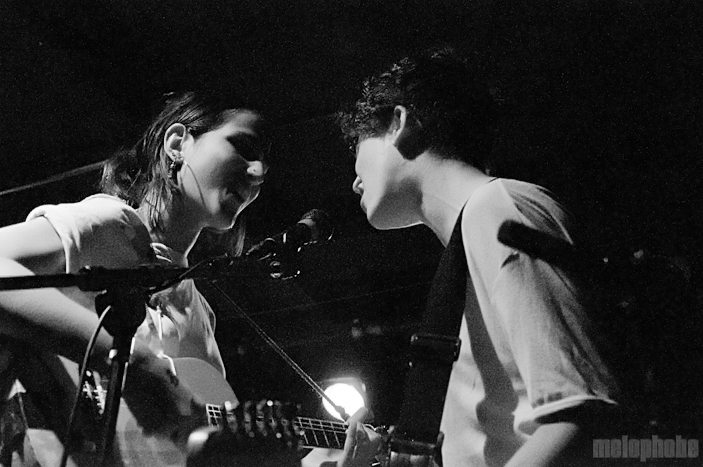
Following Rossi, Micachu and the Shapes ripped through a thirteen-tune set full of fast, clattering songs. “Vulture” kicked off the show with raucous guitar chords, providing a thin veil for the superbly coordinated ensemble on stage. Throughout the evening, the three band members locked eyes, showing an odd sort of stage chemistry often missing from more practiced groups. The eye contact worked well, as the band stayed on top of complex rhythms without misstep.
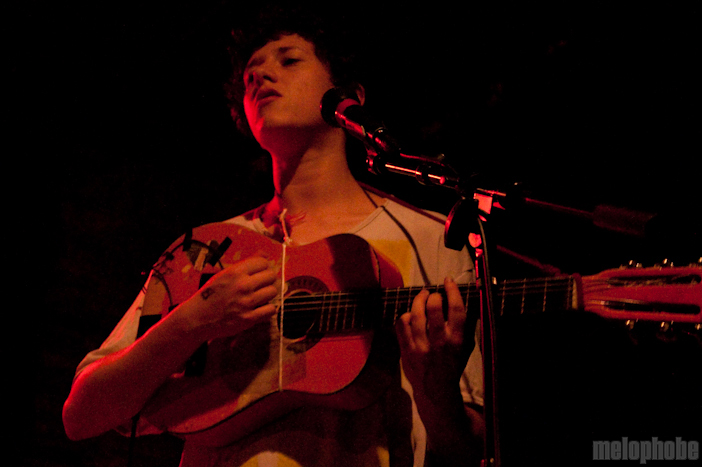
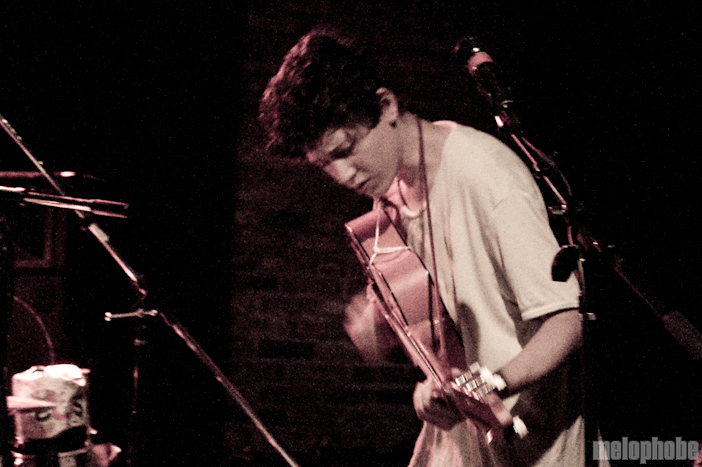
Occasionally, Levy would switch instruments, giving the audience time to unravel the layers of what they just heard. She announced songs by theme—describing them as being “about weightlifting” or “about suicide”—before forcing the lyrics out through an endearing Elvis-like sneer. Album standouts “Lips,” Just In Case,” and “Golden Phone” anchored the set, providing checkpoints for an audience that didn’t tire of the trio’s tunes, consumed by new and old songs alike.
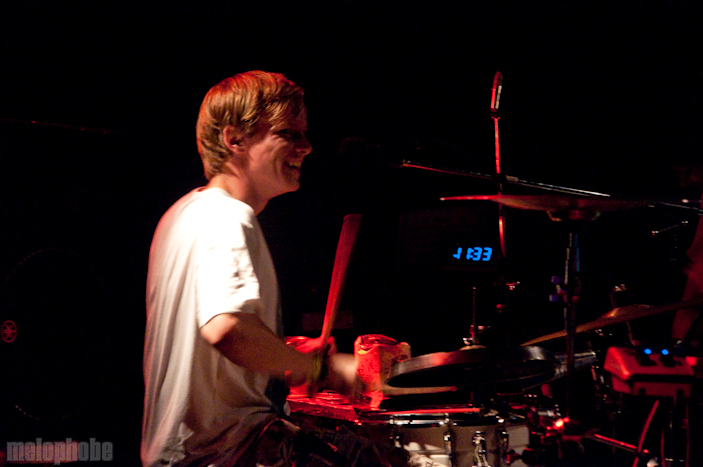
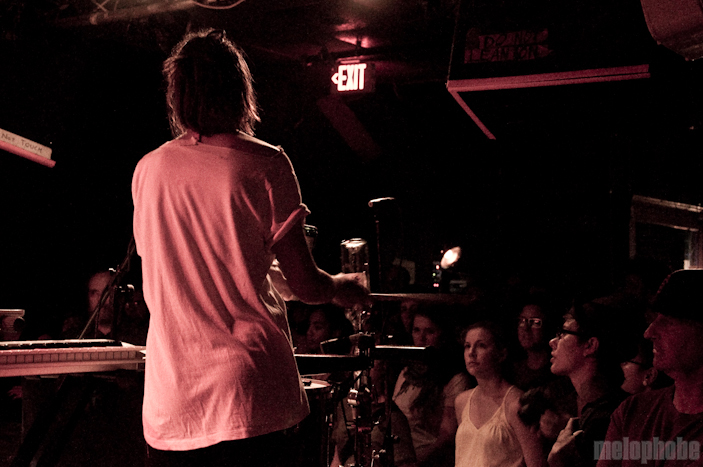
Midway through the set, drummer Marc Pell noted that the band has recently been outfitted with new equipment, saying that the new gear “is much too big for us.” While I would argue with anyone that called the band outmatched by their tools, Micachu and co. were certainly at their best when unadorned by effect pedals and electronic aid. For a band that is supposedly on the forefront of electronic music, the trio sounded most at home in the organic realm: Pell’s kit revolved around tin cans, Raisa Khan’s wine bottles added more than her electric keyboard, and Levy led best with acoustic in hand.
Never was this clearer than during the encore, a new song entitled “Hardcore.” Perhaps intentionally ironic, the song was one of the least hardcore of the evening, as Khan gave her percussion and synth a break to share vocal duties with Levy. Pell let his drum set breathe a bit, providing a bell-heavy backing for the tune. It was my favorite of the evening, the perfect cooldown after a high-energy romp, and it showed that these young musicians—should they choose—have a promising road ahead of them.