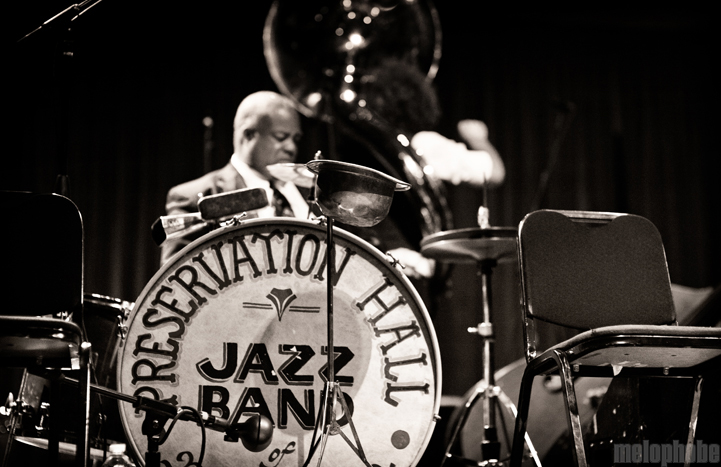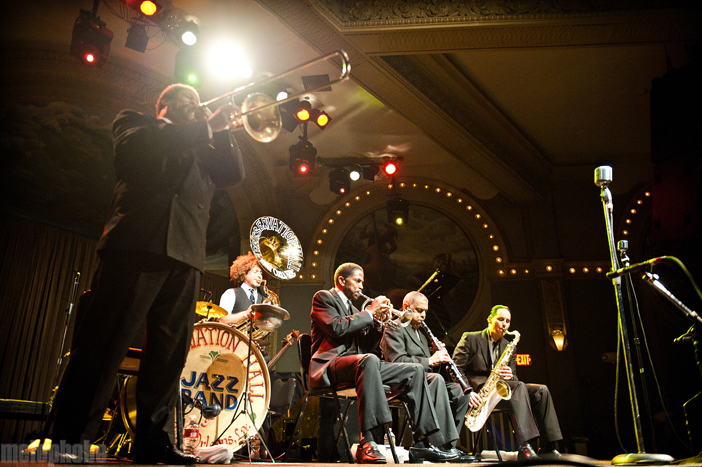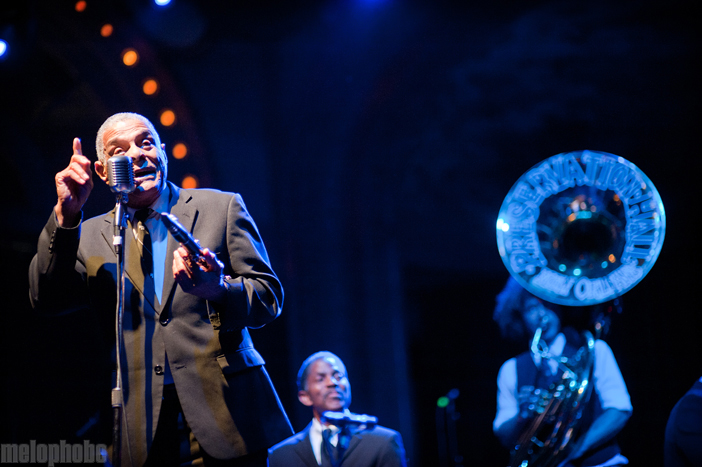
“I grew up in Europe,” runs the Eddie Izzard line, “where the history comes from.” And I grew up in Portland, where we are quite proud of our music scene, which began making little periodic blips starting in the 60’s with the Kingsmen and Paul Revere & the Raiders, and again in the 80’s with Quaterflash and the Wipers before finally gaining some serious momentum in the 90’s. By now we can justifiably claim to be among a handful of musical Meccas in the United States, but being a relative newcomer to that scene, it’s easy to forget that some towns were already kicking ass back when Portland was an unappetizing mess of muddy streets, tree stumps, and Shanghai tunnels. So when the Preservation Hall Jazz Band comes to town - as the lead-off group in Portland's 2nd annual Soul'd Out Music Festival - it’s not just entertainment that you come away with, but an invaluable history lesson to boot. The name, in a sense, says it all: there was a revolutionary music scene in New Orleans in the early 20th century that was so dynamic, and gave rise to such a diversity of musical styles, that it has been necessary for several decades now to preserve the sound and spirit that continues to be so critically influential to American music. “We’re from New Orleans,” the band seems to be telling us, “where the music comes from.”
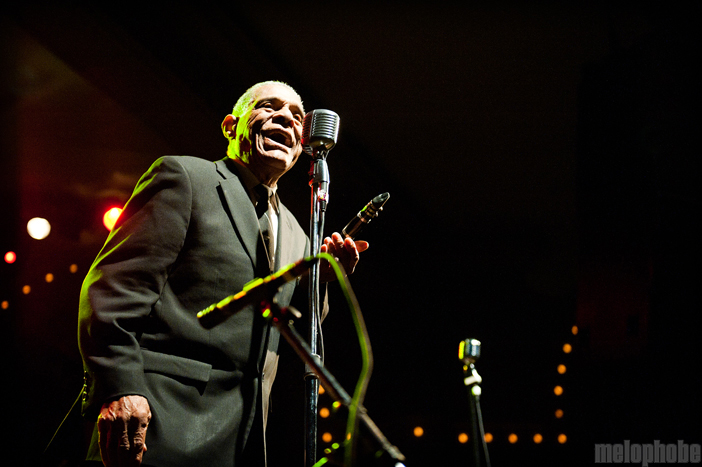
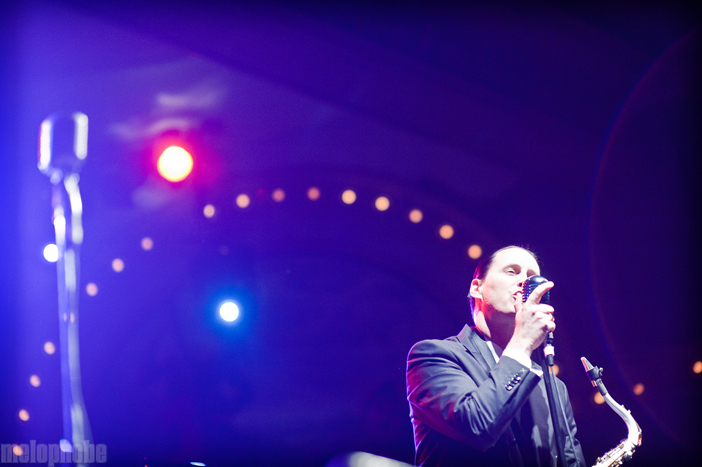
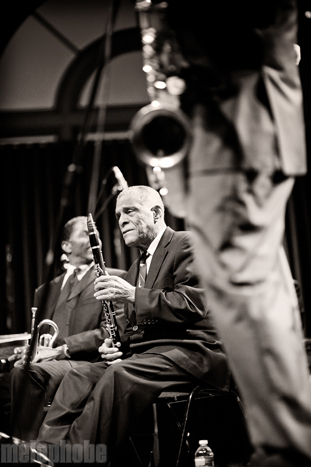
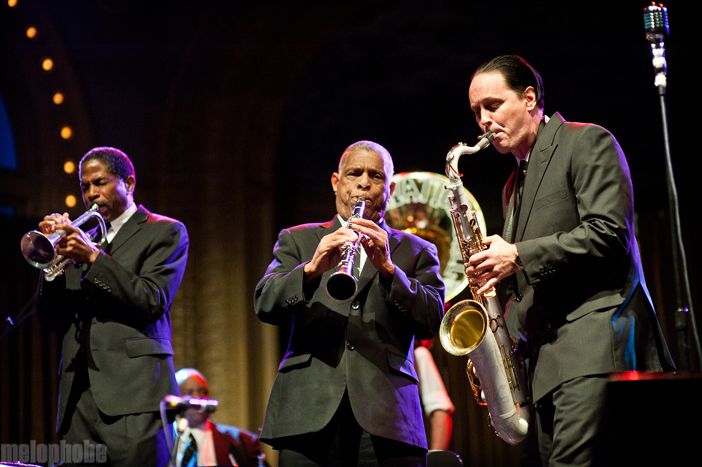
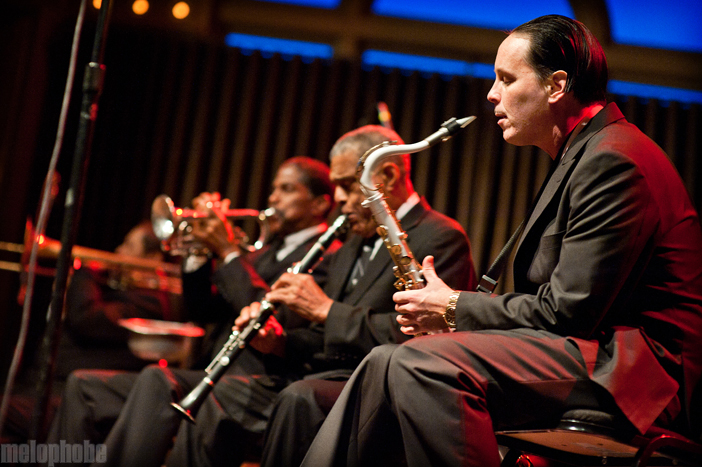
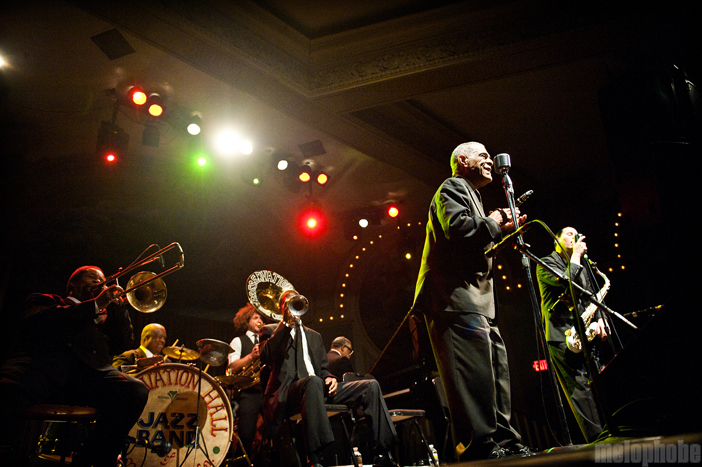
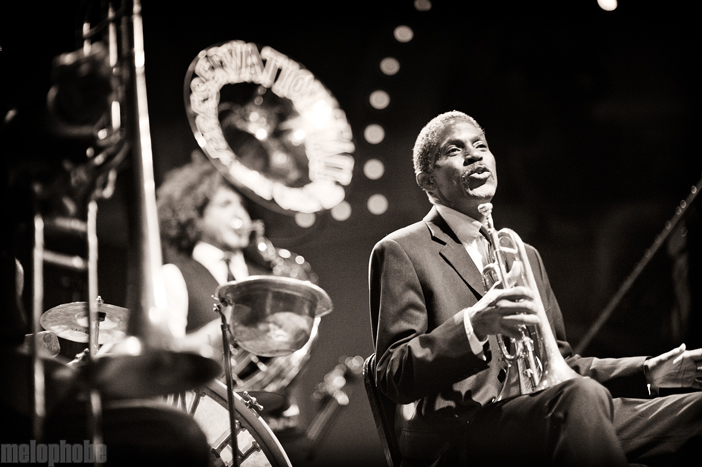
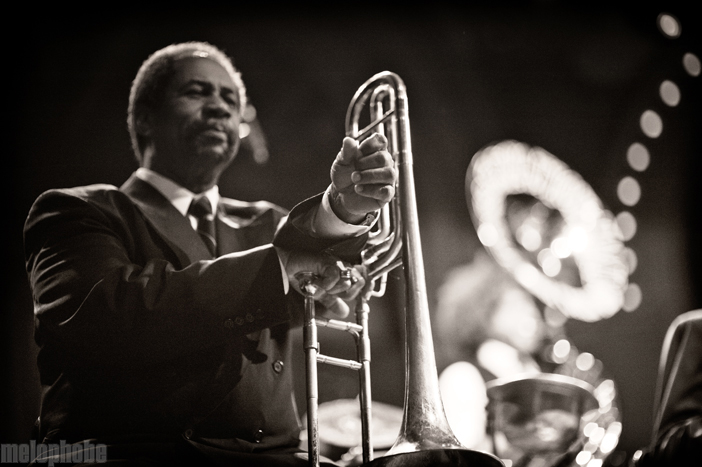
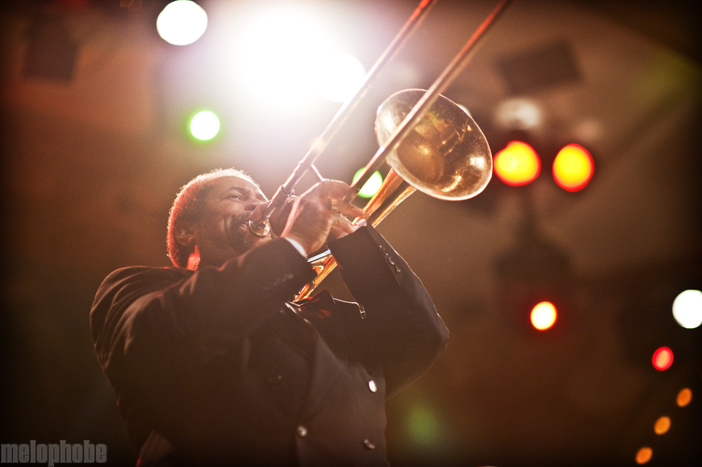
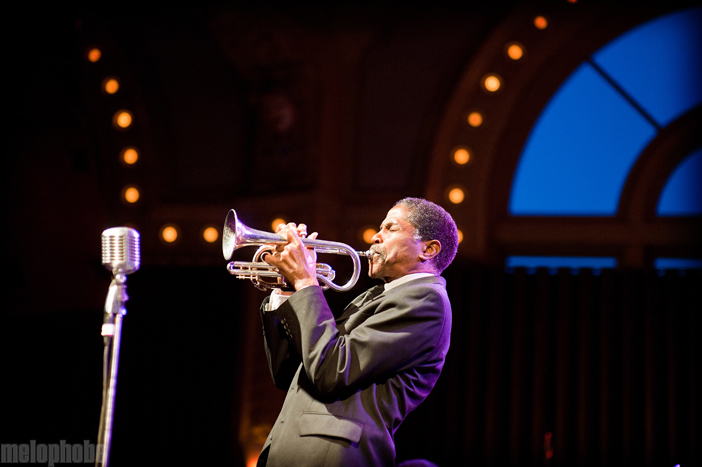
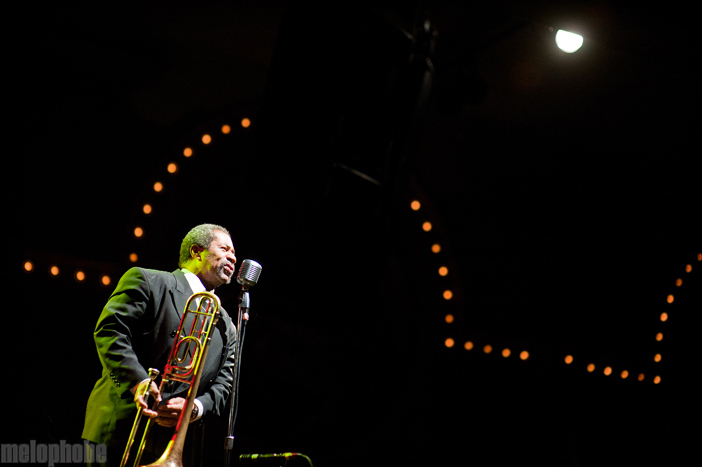
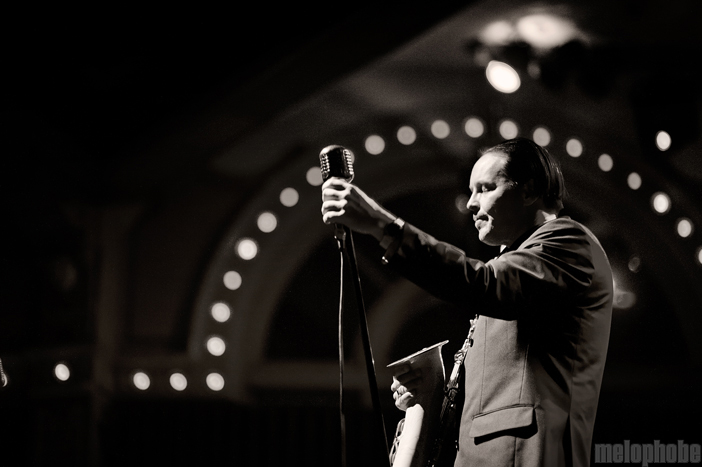
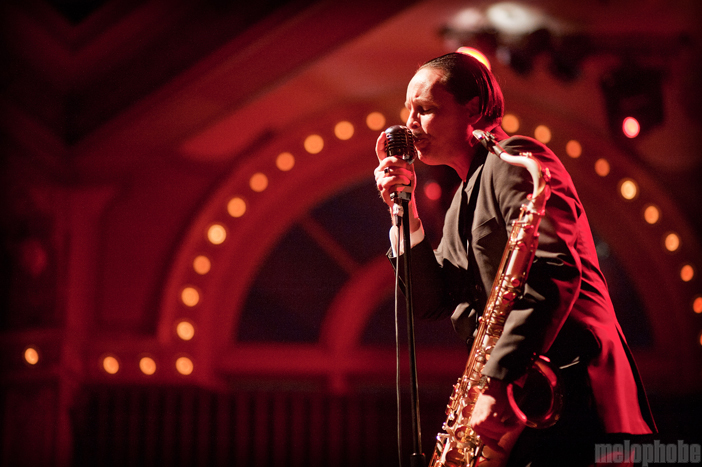
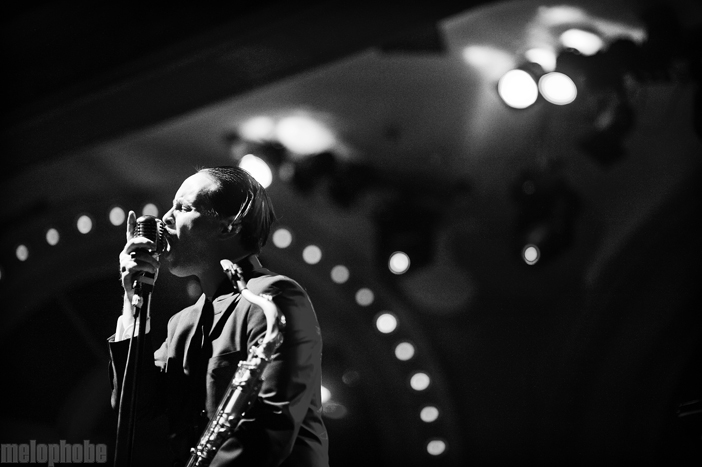
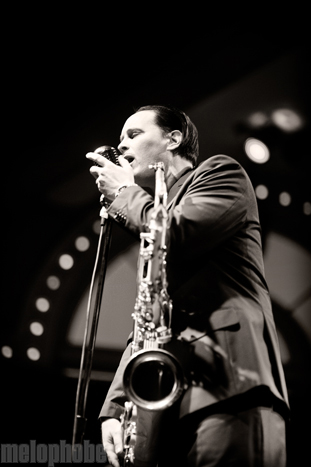
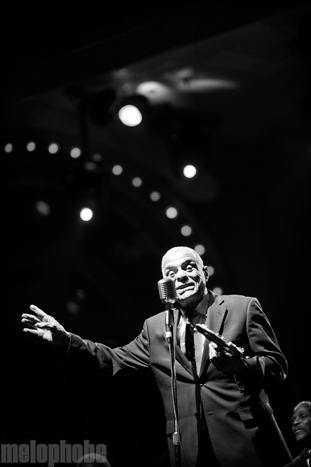
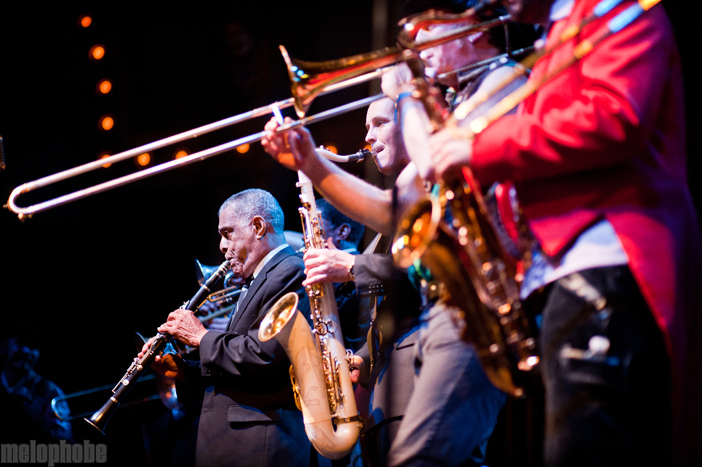
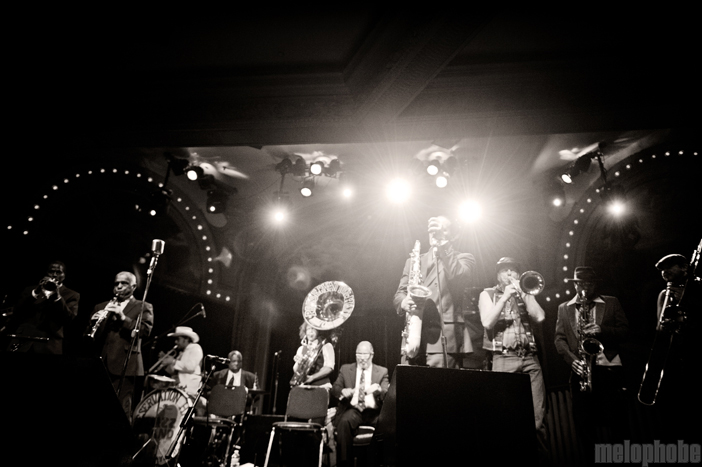
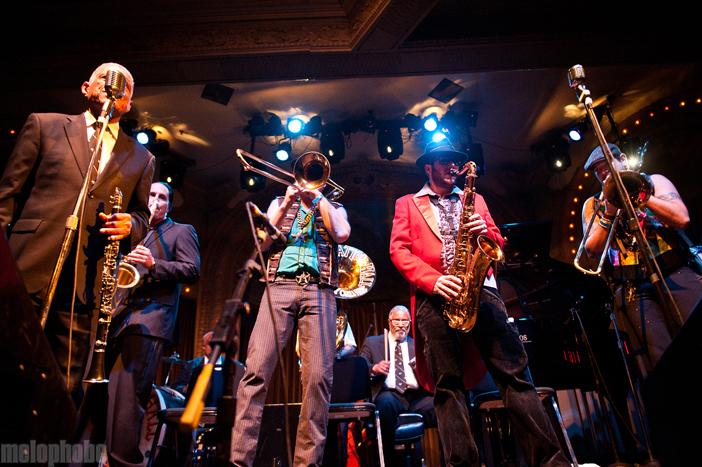
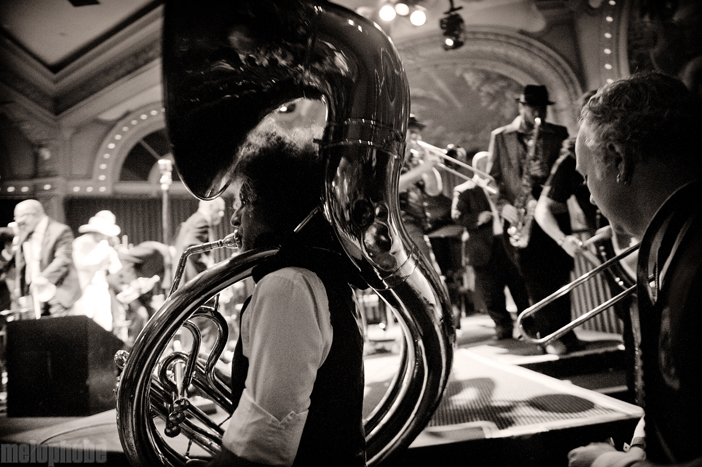
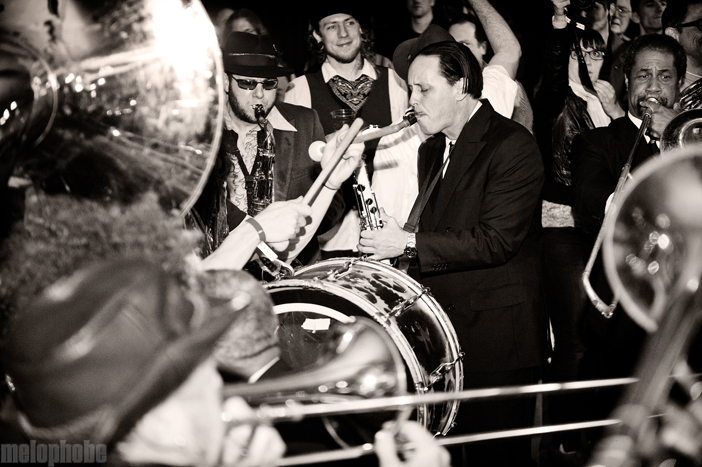
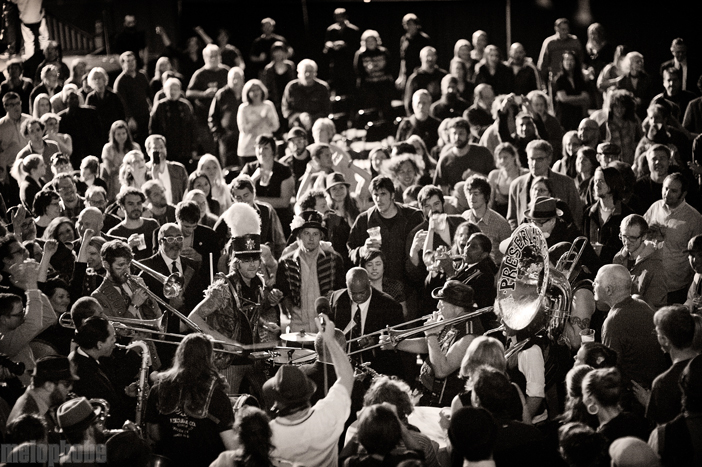
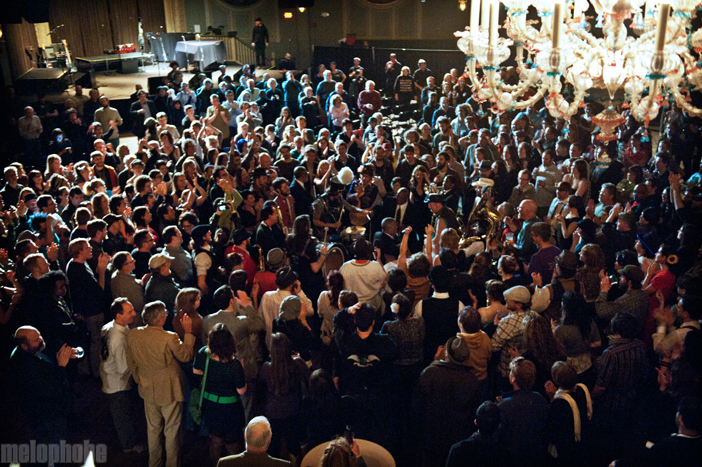
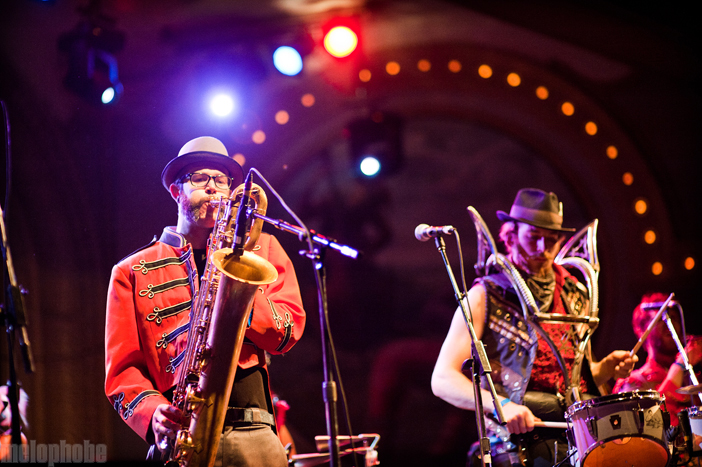
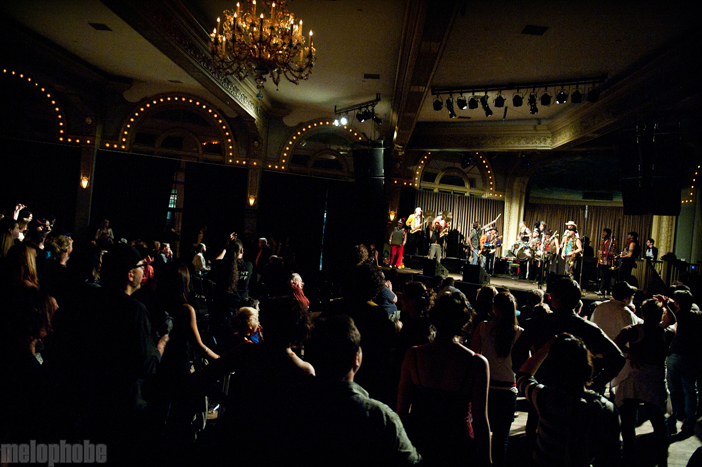
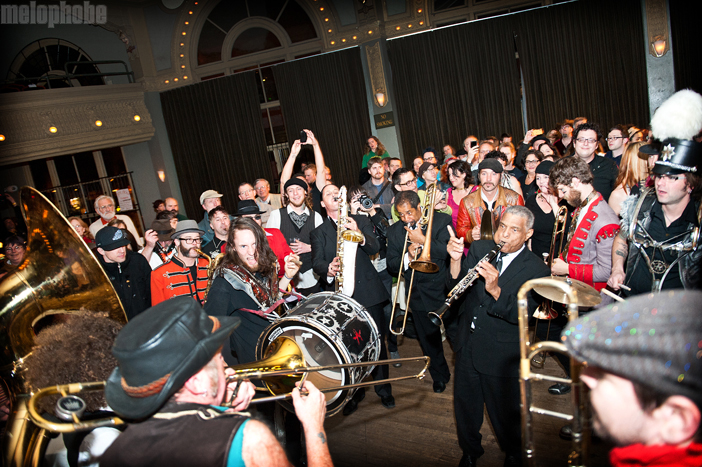
Appropriately, the band specializes in New Orleans jazz, a style that may strike casual listeners – wrongly – as rather conservative. However persistent that perception may be, Thursday night’s show at the Crystal Ballroom demonstrated that it cannot survive an evening with the Preservation Hall Jazz Band. The current lineup of the band, which has undergone regular turnover since its inception in 1961, features musicians ranging in age from 30’s to late 70’s – meaning, incidentally, that not one of them is old enough to have seen the heyday of New Orleans jazz in the 1910’s and 20’s. Their performance, however, is imbued with a sense of history and a deep appreciation for the continuing vitality of the music. Decked out in formal attire and ceremoniously rising from their seats for solos, the musicians exemplified the style's ethic of letting the music do the talking. And talk it did. Jazz has always been a performance art, and the performance we were treated to made it easy to see why. The songs themselves are simple, but the performance is fantastically nuanced, with multiple musicians improvising around a single melody, such that no song is ever played the same way twice. And the sheer joy of the music, which can be suggested in recorded format but never fully communicated, is absolutely infectious in a live setting. The advent of more experimental styles of jazz upon the decline of the swing era have now largely obscured this fact, but jazz was originally dancing music; and the crowd at the Crystal Ballroom, as if taking a key from the obviously cheerful band on stage, gleefully danced through the whole set. When the band descended to the dance floor to finish their set, cocktail tables were hastily pulled away by eager fans to make room, and a bouncing, writhing crowd gathered round the musicians, now joined by members of the MarchFourth Marching Band, for a jubilant rendition of “When the Saints Go Marching In.” The joy evident in band and audience was a stunning, even moving sight. I was reminded, at that point, that jazz evolved, in part, from slave songs – spiritual tunes that were sung to lighten the burden of life, to find hope and happiness even in some of the direst conditions men have ever had foisted upon them by their fellow men. Here, in content, progressive, middle class Portland, the magic of that music still held its power, an enduring testament to why it is, after all, something worth preserving.
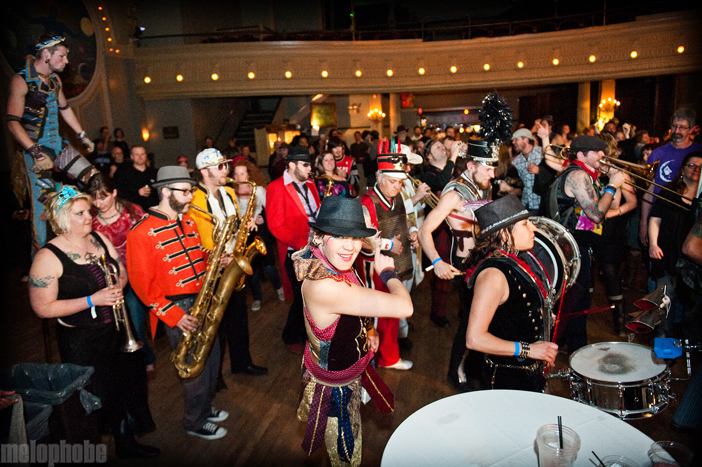
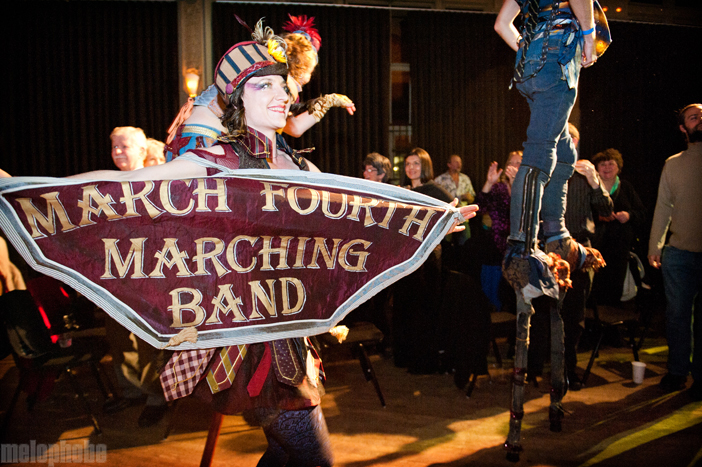
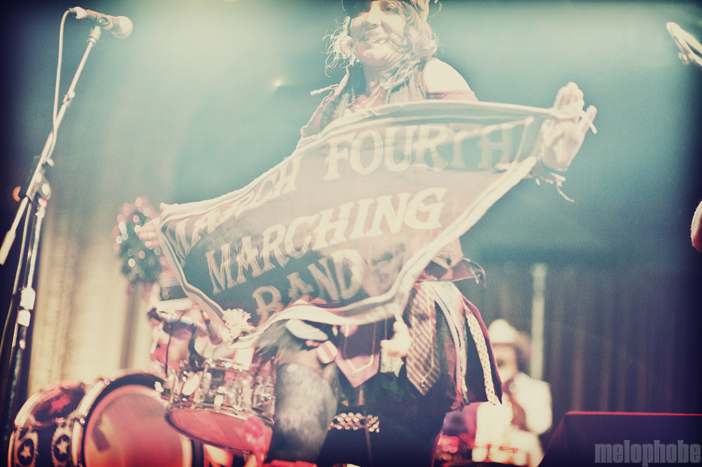
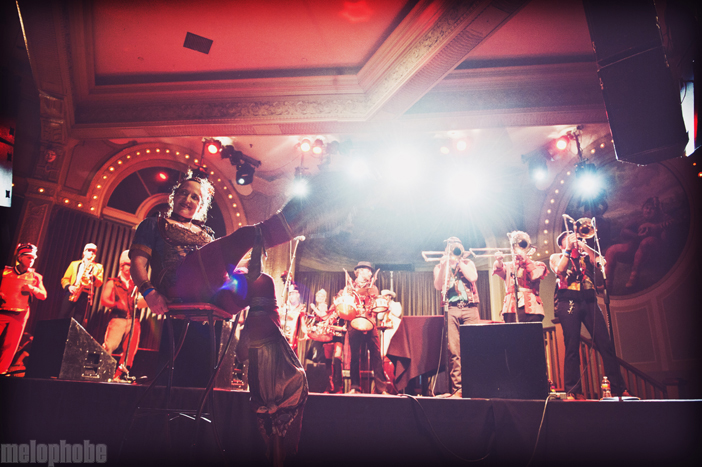
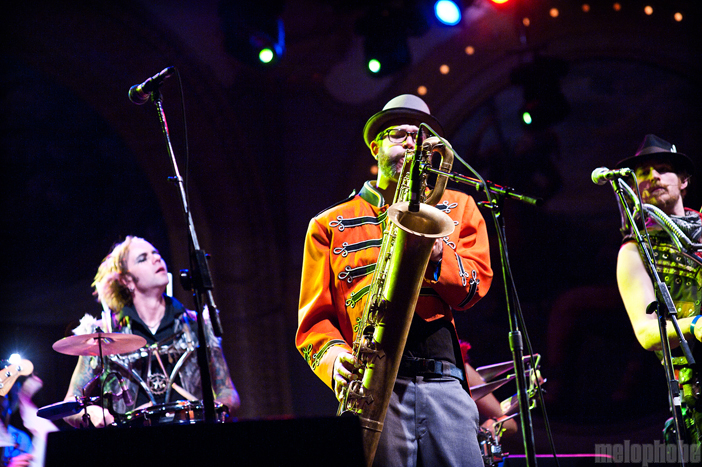
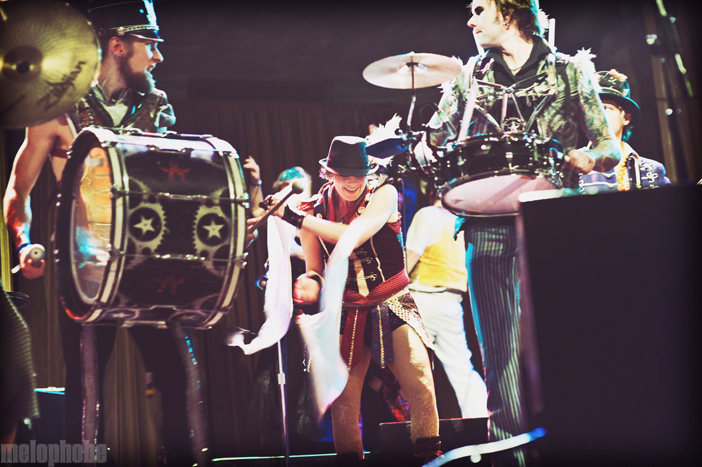
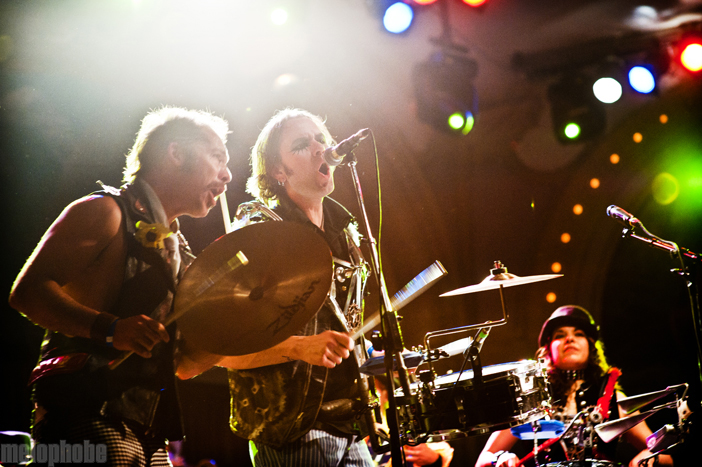
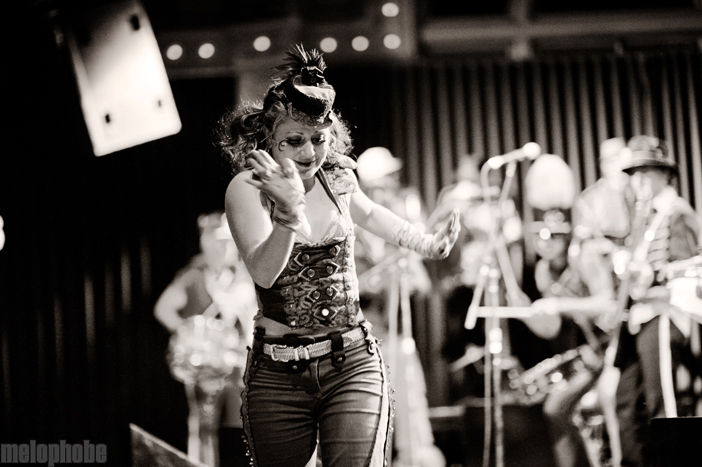
In an unusual scheduling arrangement, Portland’s own MarchFourth Marching Band held the headliner’s slot. It was an appropriate pairing – MarchFourth’s debt to New Orleans jazz is evident – but it was nevertheless not surprising that the audience was noticeably sparser for the closing act. Whether that was truly a problem, though, is debatable. Quite frankly, the thinner crowd was more appropriate to the performance of MarchFourth, who promptly implemented a New Orleans-flavored dance party, and whose several stilted performers probably appreciated the extra room to maneuver as they danced through the audience at the back of the room. Indeed, the performance felt like, and was treated as, more of a theatrical exhibition than a headlining gig. With more than a dozen musicians, provocatively costumed dancers, and the aforementioned stilted performers towering over the audience, it was nearly impossible to pay close attention to the music, except to the extent that it inspired dancing, which was rampant. It seemed, in fact, that virtually everyone in the room was moving, and the Crystal Ballroom’s famous bouncing floor was undulating furiously, to the point that beverages were literally being rocked off the tables onto the floor.
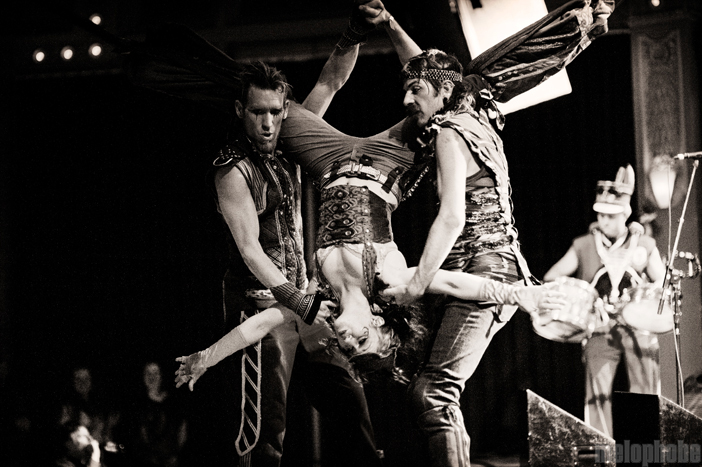
The antics on stage were no less compelling. The performers, in a hodgepodge of vaguely uniformish outfits, looked more like a motley band of carnival escapees than a marching band. Suggestive dance routines, including a pantomimed striptease during “Rose City Strut” and an impressive pole dance that had one of the stilted performers literally holding up the pole from above as a dancer acrobatically swung her body around it, served to underscore the theatrical, rather than strictly musical, nature of the spectacle. Given the wild enthusiasm this performance was generating, it came as something of a shock when one of the musicians complained about all the seats in the front of the room. From my vantage point, all that was visible was hundreds of dancing bodies, but sure enough, a limited section of seats that had been only marginally appropriate for Preservation Hall Jazz Band remained in use. “I’m not in charge,” he said, “but I’d condone the removal of the seats.” He wasn’t in charge, but his endorsement was enough, as the revelers surged forward from the middle of the room and quickly conquered the seating area for their cause. With the triumph of the party people thus ensured, the dance party resumed, and continued unabated until the band expressed their gratitude and departed the stage. The evening did not end on the same climactic note that the first set of the evening had, but for the visibly spent audience, MarchFourth Marching Band had orchestrated one hell of an after-party.