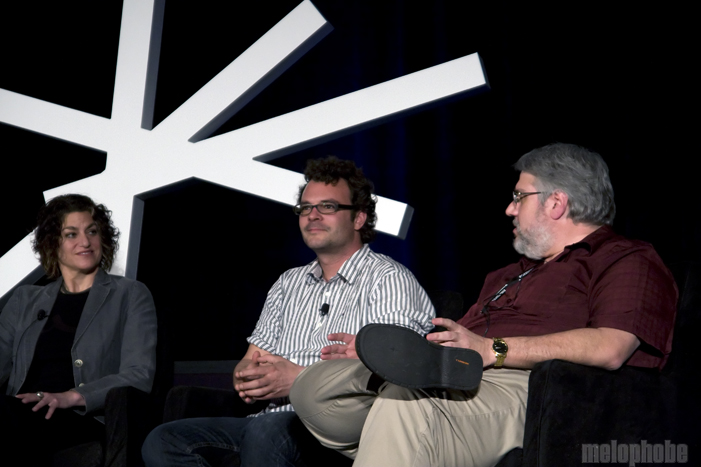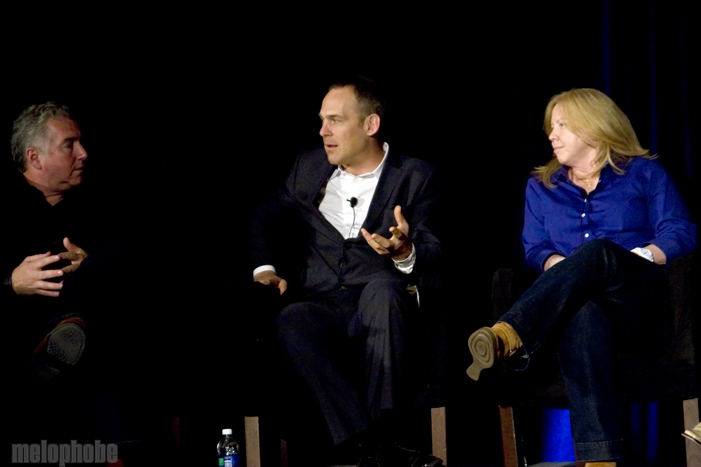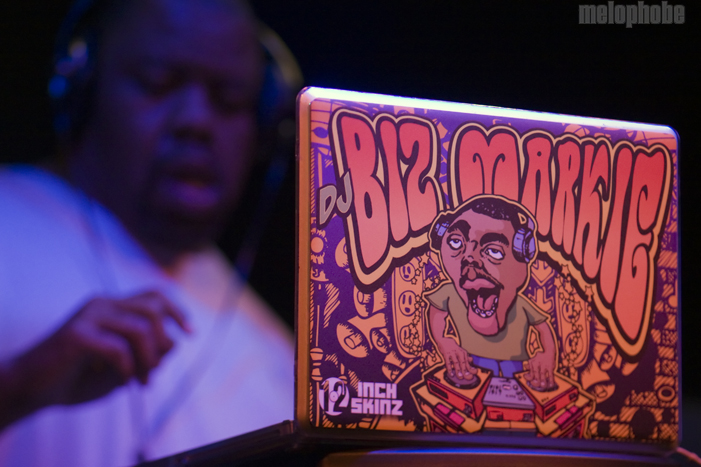
Billed as "an incubator for novel ideas and creativity," the Rethink Music conference offered plenty of time to mingle, and to hear music industry insiders lament. Over two days at Boston's Hynes Convention Center, the conference schedule heavily leaned toward issues of digital media copyright with presentations from record labels and academics. The DIY ethos of previous conferences (remember Amanda Palmer, Ben Folds, Damian Kulash, and Neil Gaiman recording eight songs in eight hours last year?) was slightly downplayed, but didn't keep the fine folks at The Echonest from stirring things up in the Hackers' Weekend and hosting a dance party spun by Biz Markie. Here are some quick reflections:
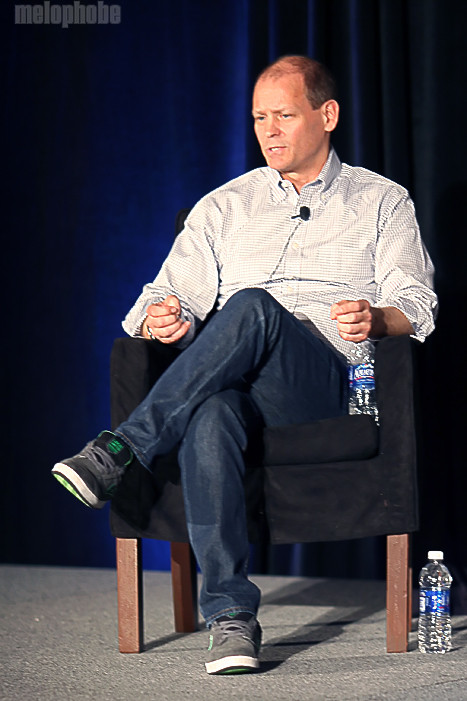
Given the amount of music I consume via Spotify, and since it's the only streaming services that my friends actually pay to use, I was excited to hear their Chief Content Officer, Kenneth Parks, share some thoughts on Spotify's business model. Simply put, Parks said the whole music industry needs to "stop aiming for middle aged guys that look like me" as the primary consumers; this was a sentiment echoed through many panel discussions.
There's a huge hope with Spotify, and Parks noted the growing number of paid users and a quarter of one billion dollars that has been paid to rights holders. Yet, the nagging problem of "hold out artists and publishing houses" can limit the seemingly limitless online catalog. "iTunes had similar problem with Radiohead," but Parks feels that eventually "the whole thing will right itself" as more bands are creating a direct relationship with music services. Services such as Tune Core lets musicians "record a song, place it on a digital service. This is very friendly to artists, as they are charged just a flat fee" to have their music sold on iTunes, Spotify, eMusic, AmazonMP3, or Google Play.
Asked about the future of Spotify, Parks spoke of not suffering the fate of myspace and how Spotify needs to make the listener's experience much more engaging. Part of this process, he suggested, was to make music less disposable and to encourage apps that will provide a song's "meta data." This way, the digital stream might replicate the thrill of digging through some records to find who was the horn player on track 6.
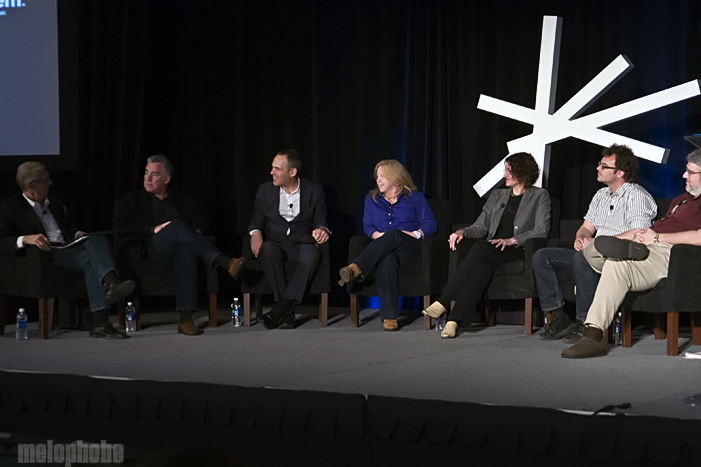
Expanding the topic of artist royalties, Jay Rosenthal, Steve Masur, Philippe Perrauex, Vickie Nauman, Cathy Merenda, and Richard Conlon shared thoughts on how to license music to a global audience and marketplace. Here are some quick sound bites:
Jay Rosenthal
-given the problem of "many authors" on a song for hip hop/pop, many licensing deals are not finished
-companies could consider purchasing a "compulsory license" from the government, as is done in the monophonic ring tone market, to make use of songs in films and advertisements
Cathy Merenda
-with all the confusion over song authorship, money is literally left on the table
-this problem is exacerbated cuts to corporations' legal departments
-we just received a check for "Love me Do" by the Beatles, but that's not our song. We had to send the money back
Steve Masur
-developers face the impossibility of figuring out who should be paid, and are unable to claim no liability
-most problems have arisen from the failure of applying a physical licensing scheme to a digital market
-music needs a deed service with music rights, like when purchasing a house
Vickie Nauman
-the global licensing marketplace is a tar pit
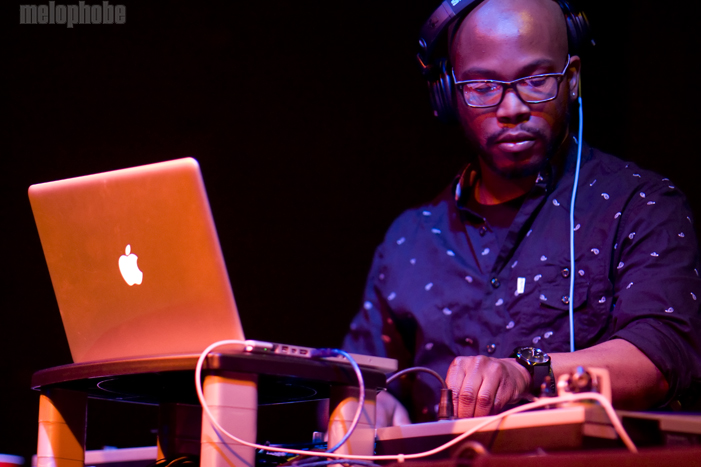
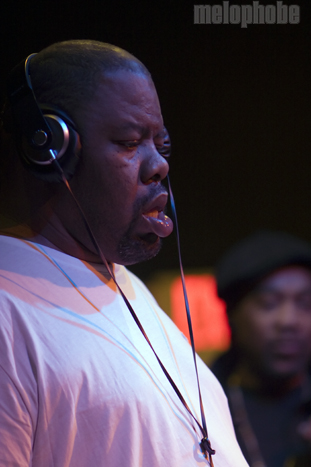
After all this corporate talk, it was great to have a party befitting a music conference: lots of Narraganset and Biz Markie. Thanks to The Echonest, the suits gave way to a hip-hop 101 session and lots of anticipatory warm-up for a "Just a Friend" sing-a-long. Biz warmly moved the crowd to dance, stacking classic cuts with some contemporary layers.
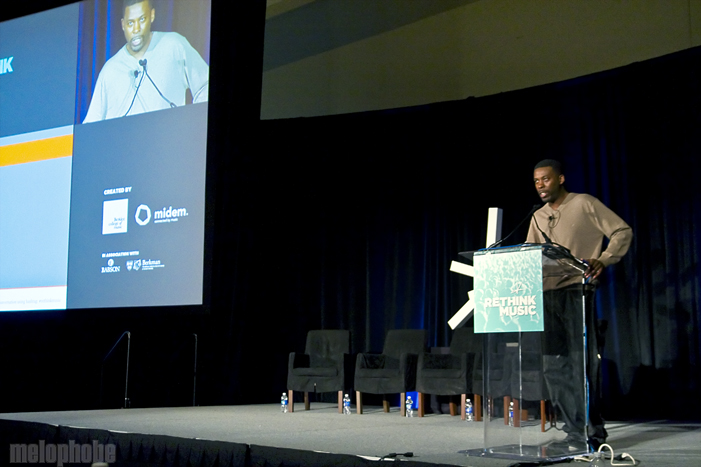
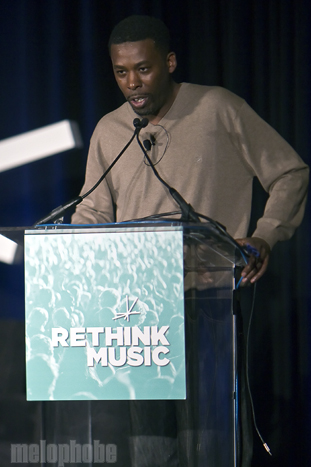
My time at Rethink Music concluded with a lecture and interview with GZA, an incongruous ending to what had become esoteric babble for this non-programer, non-record executive. GZA, expounding on remaining relevant through 20 years in the music business, shared anecdotes of street team hustling and revamped web sites as ways that he has promoted Wu Tang. The best moments were when the Genius left his script, and addressed the audience as MC. What was missing from his speech, and what would have been an antidote to much of the conference, was a discussion of why Wu Tang matters to people beyond the slums of Shaolin. In all the talk about marketing and licensing, what gets lost is how all the A&R polish can never substitute for the sublime.
BTW: if you haven't discovered what your parents might have listened to on the night those XX and XY chromosomes mingled to make you, enjoy The Byrds and The Bee(Gee)s