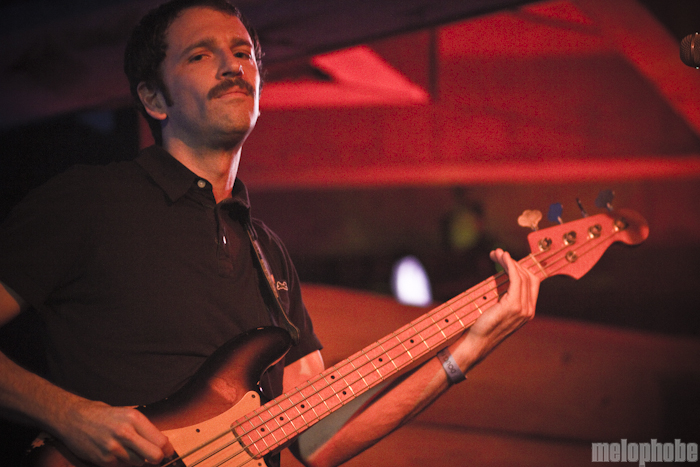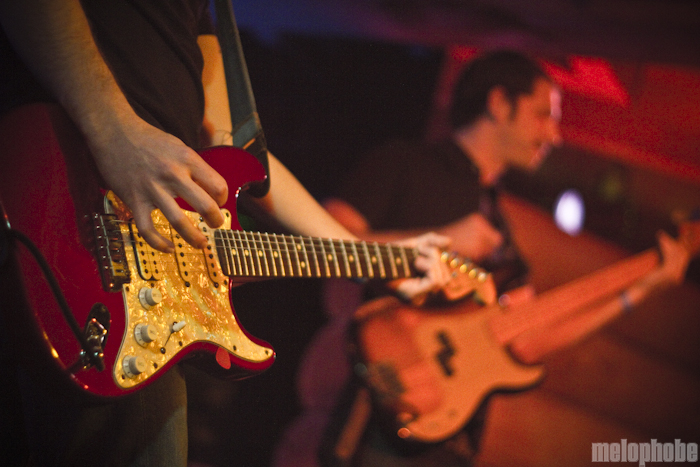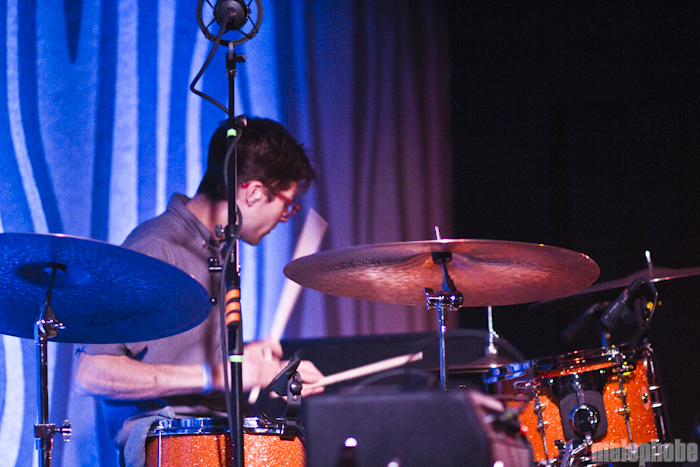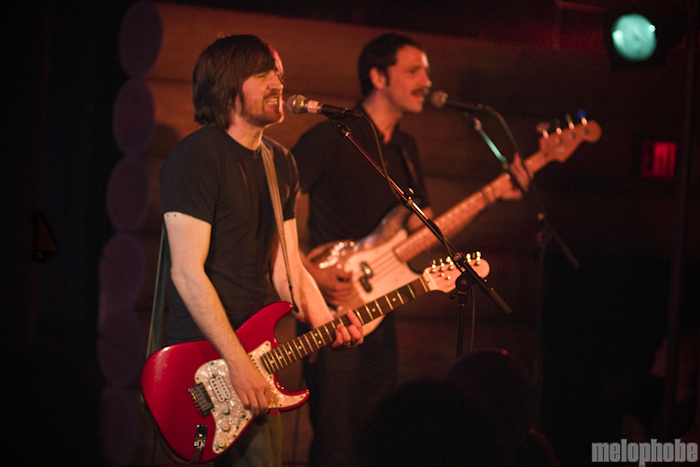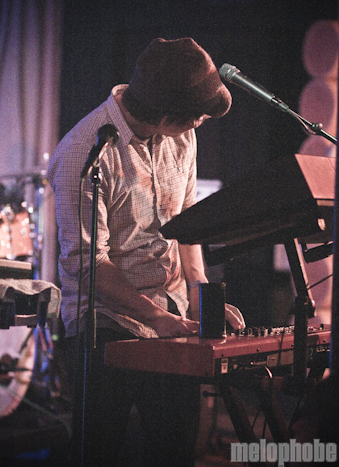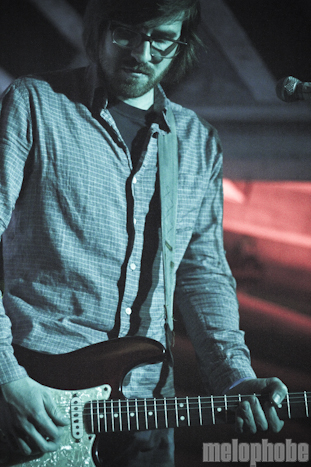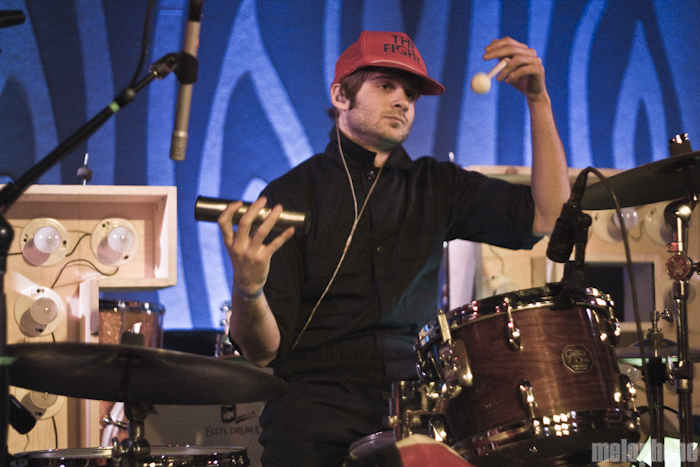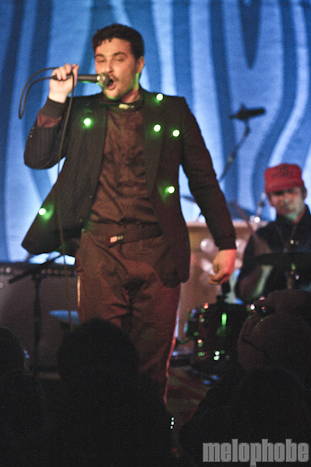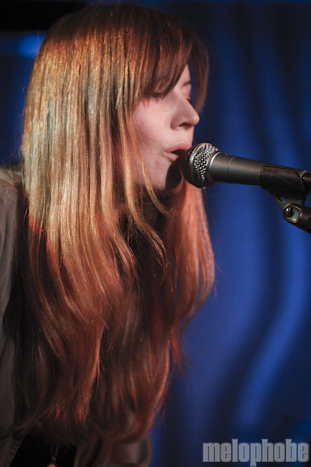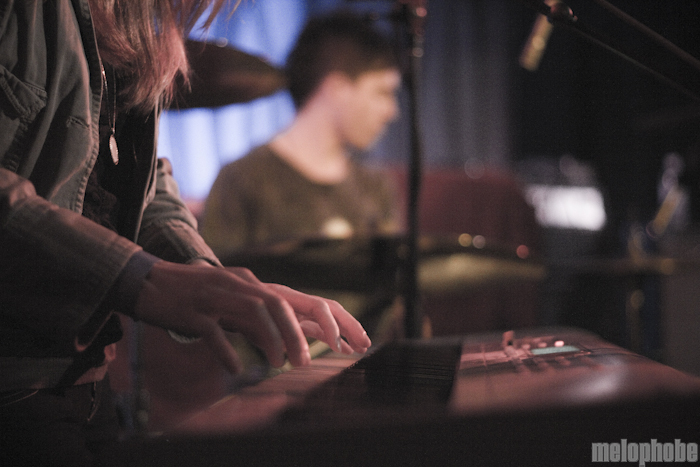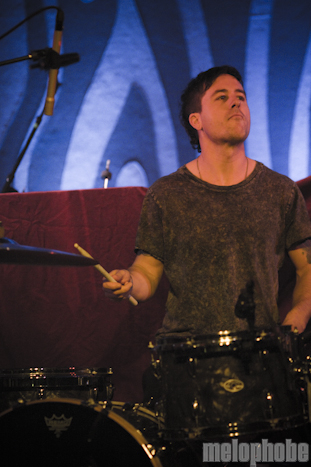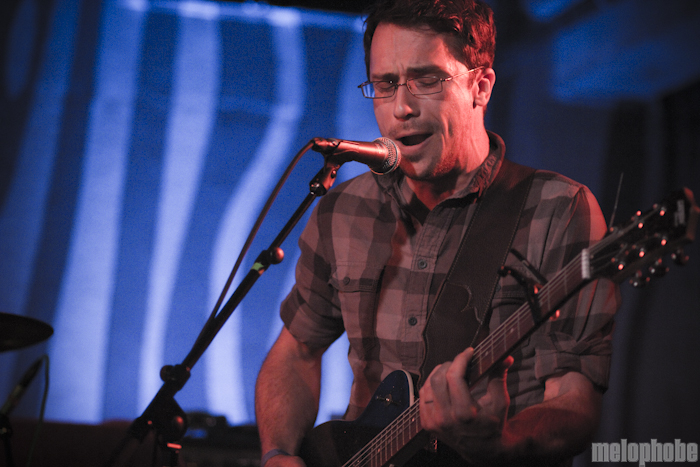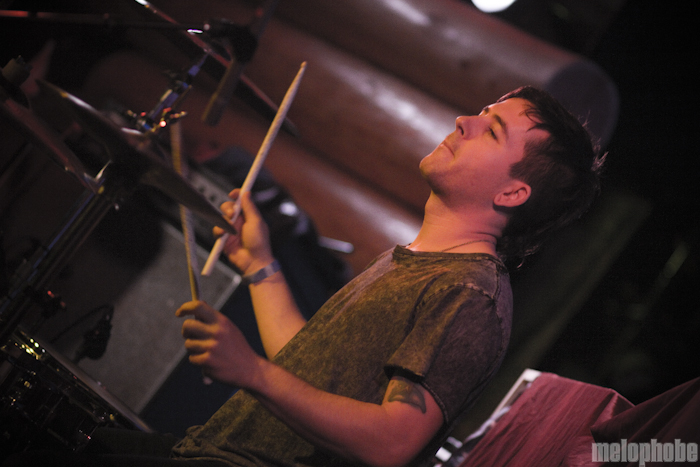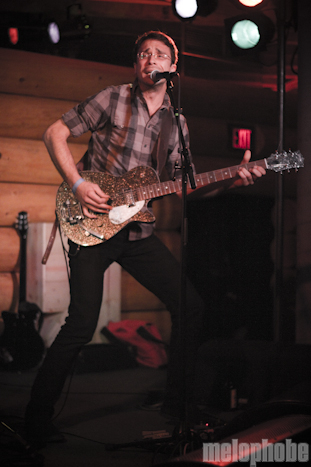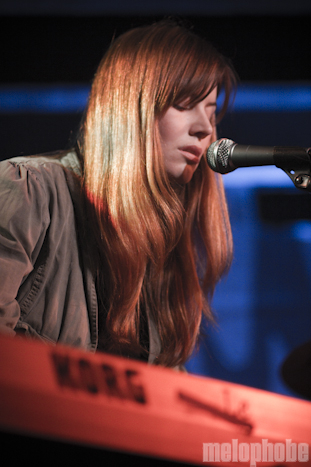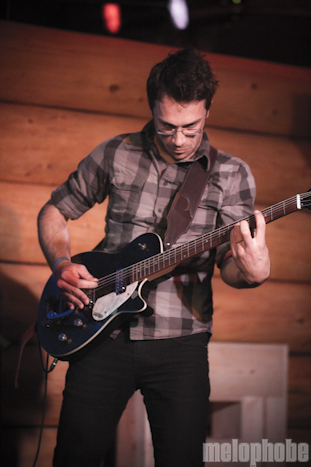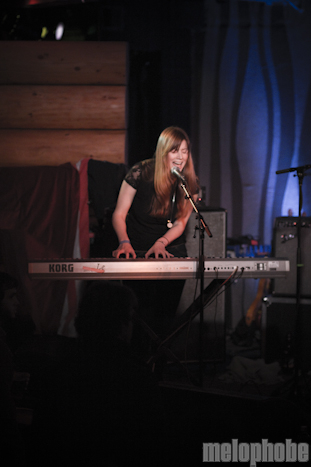
Mumbled, drawn-out songs serve as our introduction to Themes, whose singer exaggerates his syllables until words are barely recognizable. The accompanying slow, meandering notes sound as if they are being stretched on a rack. Fortunately, the band's sole female member has much greater command of the microphone, and takes over vocal duties for the second song with a voice that is warm, throaty, and captivating. The members remain calculated throughout the set, crafting an intricate aesthetic with subtle ballads that channel Stevie Nicks. Themes' presence grows as they ease into the stage, and the band members gyrate along with the beats that gradually come to life. Each song builds on its predecessor; keyboards and percussion increase, and the band becomes progressively more enjoyable. There is a dense, almost sleepy quality to their music, and the members’ years of professional training show. With nary a sloppy note between them, Themes have builds a cohesive package that peaks midway through their final song before fading perfectly back to silence.
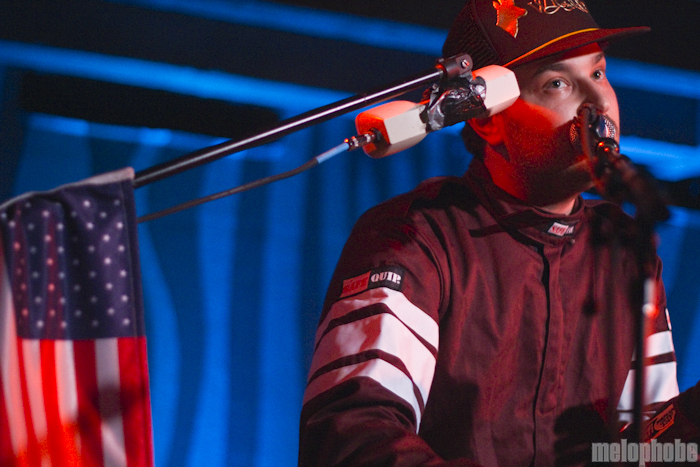
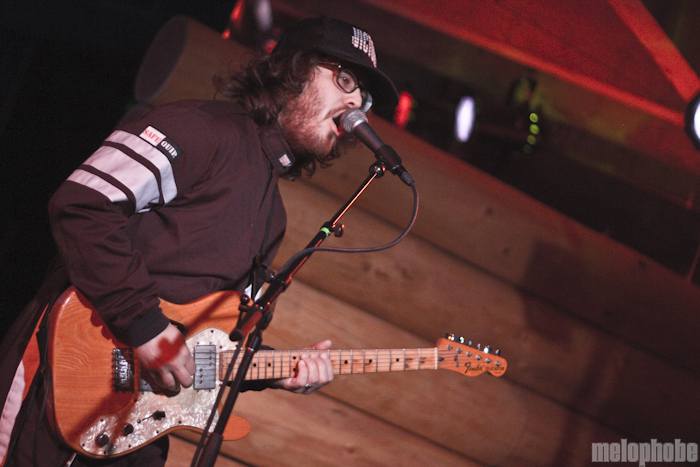
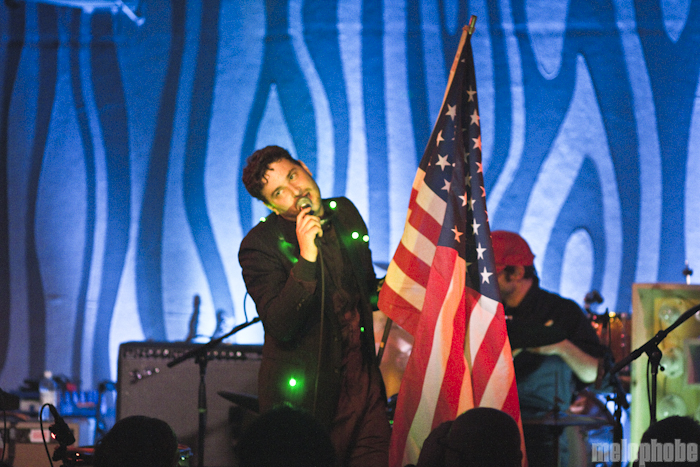
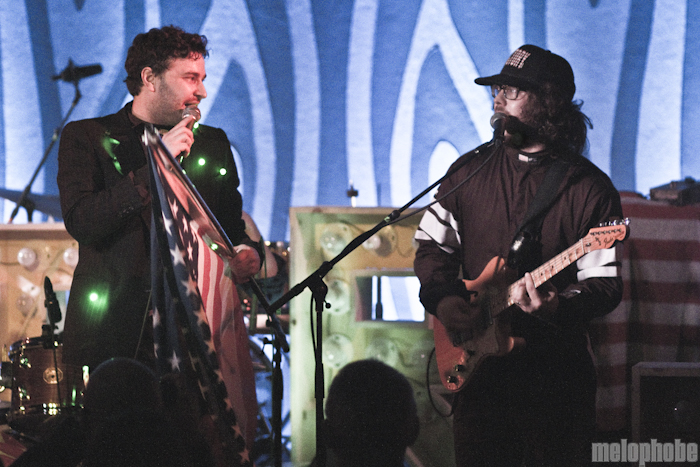
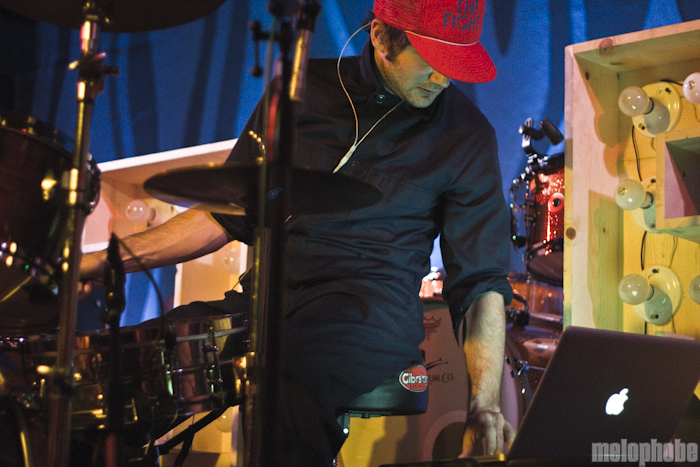
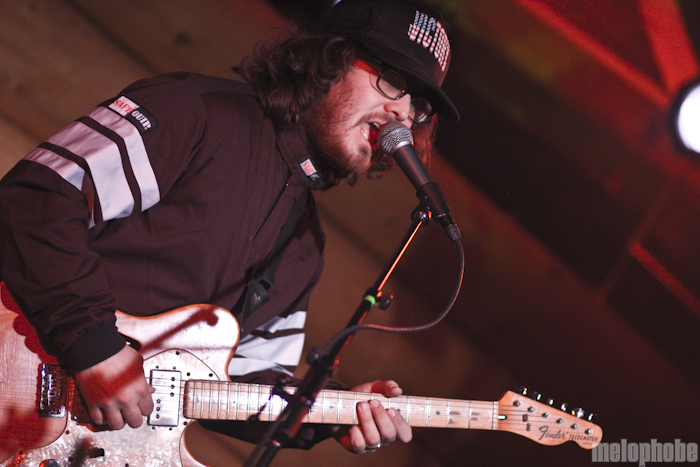
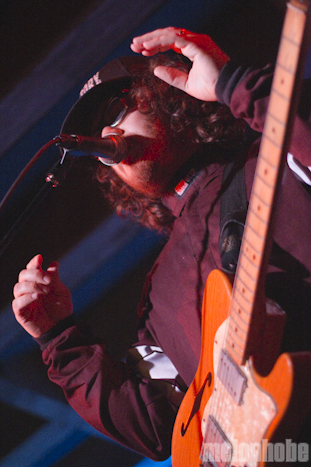
Once Themes have left the stage, American flags appear atop the amps. Nearly a decade ago, trucker hats were the height of ironic fashion, nestled atop the heads of young people as tongue-in-cheek mockery of blue collar culture. Eight years later, enter Detroit's Dale Earnhardt Jr. Jr., playing on that near-forgotten trend. All three members wear the aforementioned headwear, with the band’s Joshua Epstein and Daniel Zott also clad in matching Dickies-style work jackets. With these elements in place, I am intrigued. Once the band gets going, they have instant likeability and begin seamlessly combining surf rock, hip-hop, and swirling sound effects into their performance. They somehow make the genre-bending work, and blend in electronic noises that aren’t oppressive. The band’s clear influences are too numerous to name, but play like a delicate mash-up that teeters on the brink of disaster without ever tipping over.
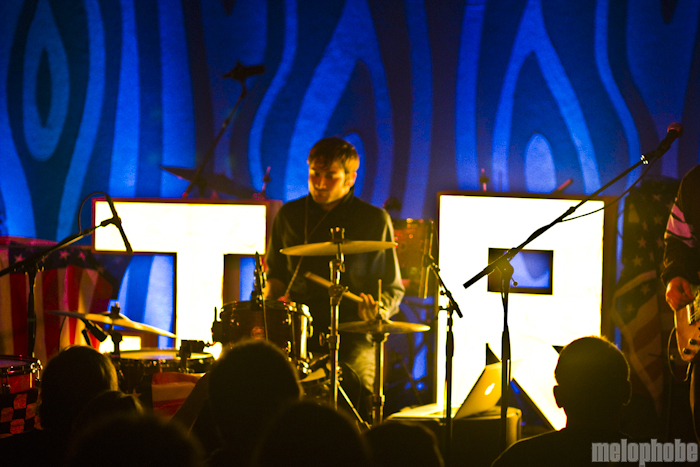
Dale Earnhardt Jr. Jr.’s singer has a second microphone stand at his right, with a mysterious object haphazardly attached to it with electrical tape. Upon closer inspection, the object is an old beige telephone handset that has been modded into a nifty lo-fi effects microphone. The singer waves a larger flag around, and this NASCAR shtick begins to detract from the performance. Nonetheless, the band has a playful attitude and their heavily drum-driven songs are clear and polished as can be. The singer pauses to make a crack about health insurance, and I am officially annoyed by the band’s commitment to its collective character. Fortunately a distraction swiftly emerges in the form of two large wooden cutouts that both spell J.R. and create a light show with the numerous household light bulbs protruding from the front. They play a cover of the Beach Boys' "God Only Knows," and put the irony away as much as possible for the remaining few songs. The giant J.R.s flash violently during their final number, and the excessive theatricality is blissfully absent as their set draws to a close.
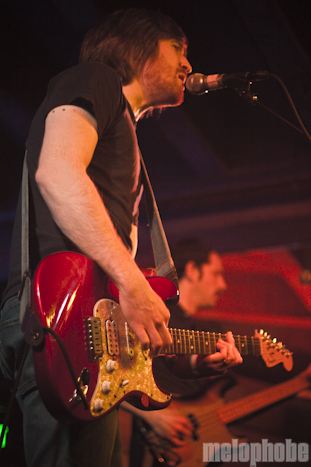
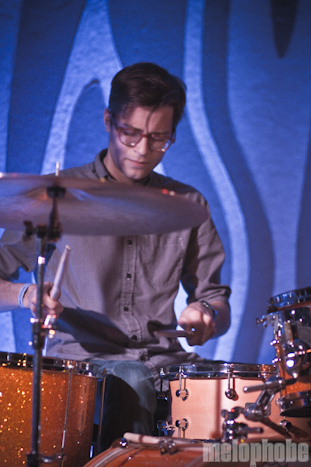
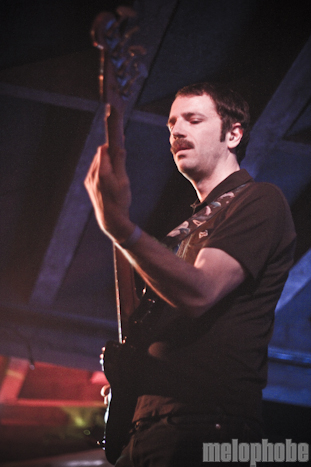
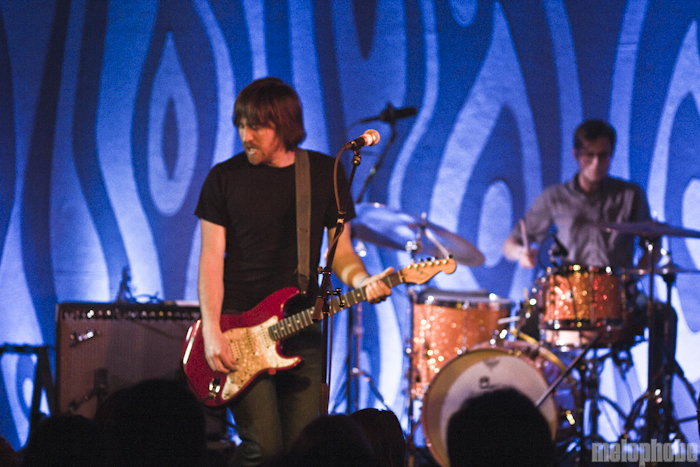
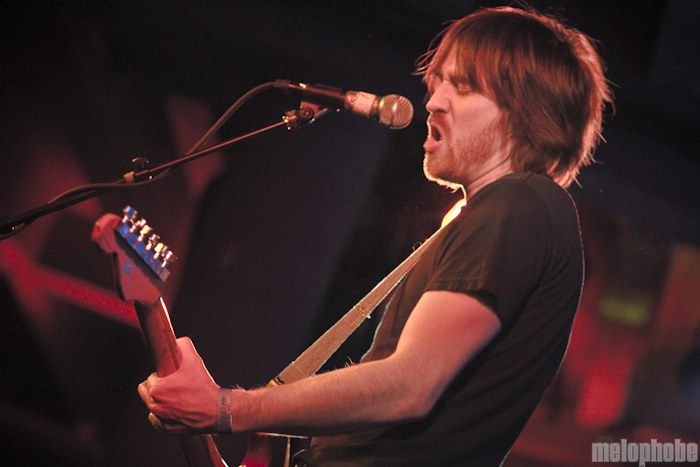
In the summer of 2006, Tapes 'n Tapes were the indie rock it-band, packing show after show with eager fans. Tonight, though, there is a serious disconnect between the stage and the floor. All the elements of a great show are present – the venue, Doug Fir, has impeccable sound quality as always. The band members are animated, enthusiastic, and well-rehearsed. The tickets are sold out, and the house is filled wall-to-wall with bodies eager for danceable tunes.
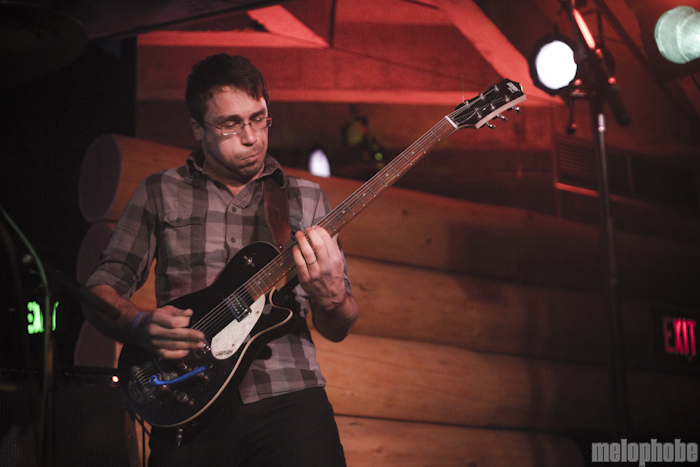
Beginning with the subdued “On and On” from their recent Outside EP, the band draws audience members forward. Most people are standing still, gazing expectantly at the stage, though a small contingent of rhythmless dancers sways out of step with the music. By the third song, Tapes 'n Tapes have begun to move with angular precision, jerking their bodies and stomping their feet in unison. They are by no means phoning it in, but are failing to capture my interest. I move closer to the speakers, pursuing the familiar feeling of bass notes pulsing through my veins, but it just isn’t there. Midway through the set, the band picks up the pace a little. Scattered cheers resonate through the room, encouraging the hardworking musicians, who grin and look as if they are enjoying themselves in spite of alarmingly high numbers of people heading toward the door. By this time, the crowd has thinned significantly, from a jam-packed floor to an unusual amount of personal space.
The music they are playing sounds markedly different from their recorded material. "Le Ruse" comes across as spacey, with almost reggae-esque undertones, which explains the sizable population of hippies who have invaded Doug Fir’s basement. For "One in the World," the keyboardist shifts to playing a jaunty tune on a nearby trumpet. It’s vaguely loungey, but represents a turning point in the evening and a move toward more upbeat sounds. Singer Josh Grier sweetly dedicates the next song to his parents, who have come to watch this performance. Though a third of the crowd has gone home, the remaining masses are going berserk. They thrash about, hands pointed straight in the air and lost in the moment. The band is attempting to shoehorn too many genres into this set, and psychedelic sound effects permeate the room adding little to the experience. None of it is bad, but the dam of sonic sensory overload has given way to unremarkable blandness despite the band’s best efforts to the contrary. Audience excitement peaks with the immensely popular "Insistor," but I am left feeling like the detached observer nonetheless. I want so badly to enjoy this, and the dwindling population of the venue suggests I am not alone in my ambivalence. Whatever the missing element was, I hope they find it.